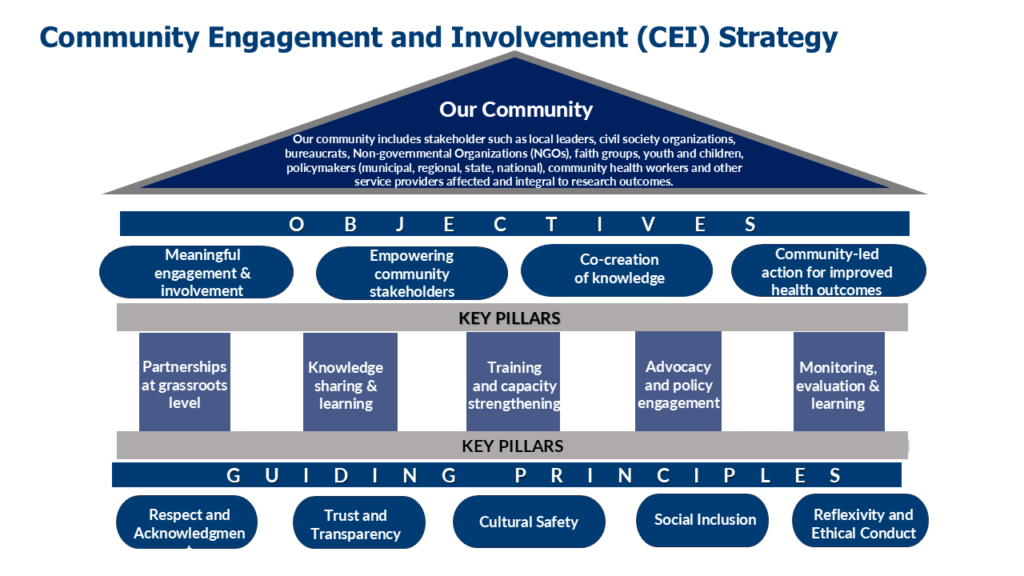
Our mission is to enhance population health through research that is relevant and accountable, with strong community engagement and involvement. We aim to address the unique needs of our stakeholders by co-creating knowledge and providing access to research findings, ultimately empowering communities to take action for better outcomes for individuals and the planet.
Public Advisory Board
The Public Advisory Board (PAB) is an independent group of 10–15 members drawn from across the Centre’s three focus countries and diverse professional and community backgrounds. It ensures that the Centre’s work is shaped with and for communities, and that community priorities remain central to all activities. The PAB provides strategic guidance on the Centre’s Community Engagement and Involvement (CEI) approach, reviews progress, and strengthens links between community voices, researchers, and policymakers. Acting as advocates, members promote equity, amplify the needs of vulnerable groups, and support the Centre’s mission to address the dual challenges of NCDs and environmental change.
Our Team
- Chhavi Bhandari: Lead, Community Engagement and Involvement (The George Institute for Global Health)
- Maroof Khan: Community Engagement and Involvement Manager (The George Institute for Global Health)
- Nantu Chakma: Community Engagement and Involvement Lead, Bangladesh (International Centre for Diarrhoeal Disease Research)
- Sarada Garg: Community Engagement and Involvement Lead, India (Sri Ramachandra Institute of Higher Education and Research)
- Rizka Amalia: Community Engagement and Involvement Lead, Indonesia (University of Brawijaya)
Highlights & Media
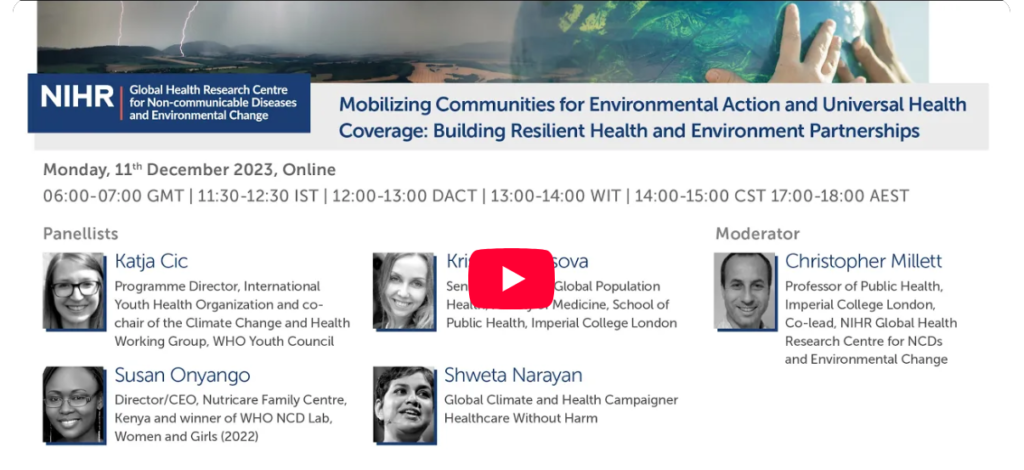
Shweta Narayan, our Public Advisory Board (PAB) member joins global experts in public health, environmental change, and community empowerment for a panel discussion chaired by Professor Christopher Millett, co-principal investigator of the NIHR GHRC to exchange action-oriented steps towards building resilient health and environment partnerships.
Know more here…
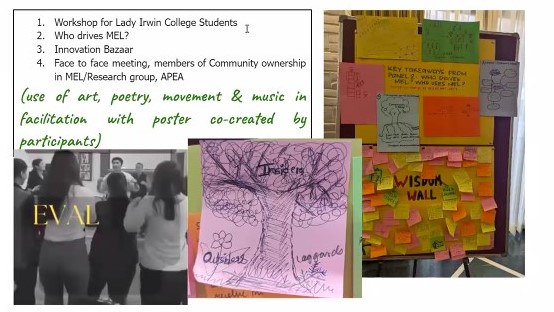
A diverse group of 16 participants from the Community Ownership in Monitoring, Evaluation, and Learning (MEL) and Research Group of APEA convened to engage in a vital discussion about trust. Highlighting the global importance of fostering trust in community engagement efforts.
Curated by Rituu B. Nanda, our Public Advisory Board (PAB) member, read “Why is Trust for outsiders declining in communities?” as it first appeared in on Asia Pacific Evaluation Association (APEA) here…
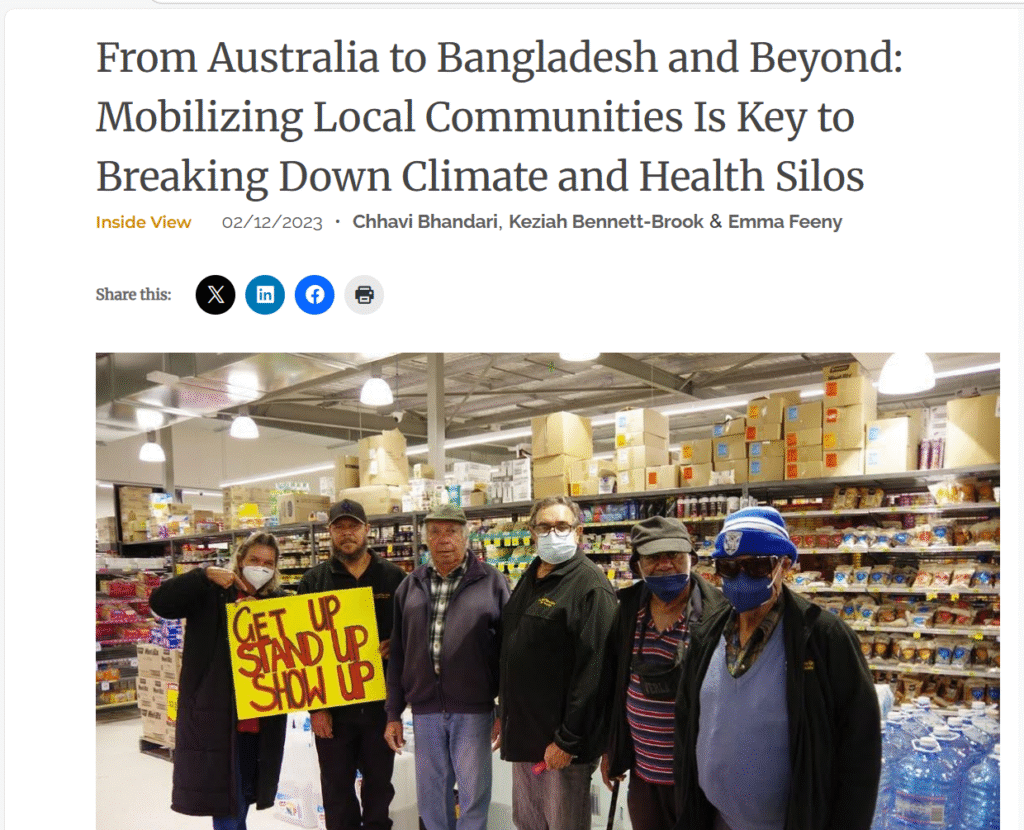
Chhavi Bhandari champions the empowerment of local communities as key communicators, advocates, and change-makers in an article co-authored with Keziah Bennett-Brook & Emma Feeny, for Health Policy Watch, to drive impactful actions that can improve health outcomes for people and the planet for a more equitable and resilient future.
Read the full article here…
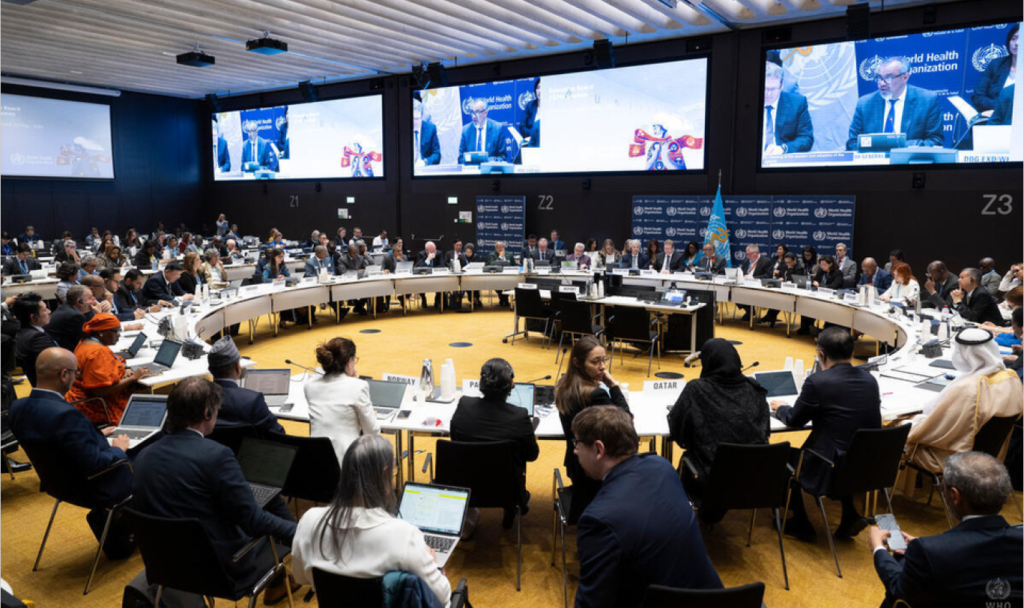
Members of the Global Climate and Health Alliance (GCHA) share their insights from the 78th World Health Assembly in 2025, unpacking the progress made, identify gaps, and describing what is needed to advance the global health agenda.
Chhavi Bhandari, head of the Impact & Engagement team at NIHR GHRC for Non-communicable Diseases and Environmental Change, advocates for the sharing of case studies, personal stories, and economic evidence during crucial policy moments to drive urgent action on climate and health. Read more of Bhandari’s insights and those of other GCHA members here…
Maroof Khan co-authors an article highlighting the value of experiential knowledge from communities. Reporting on an online roundtable featuring 35 participants (community leaders, health and environmental advocates, academics, and political champions) from across the Asia-Pacific exploring how community participation can advance planetary health initiatives.
Read the full article here…
Maroof Khan’s compelling blog recounts his journey which began with a passionate commitment to empowering grassroots organizations and led to him spearheading the community engagement and involvement activities for a dynamic and interdisciplinary research program spanning numerous partners and countries.
Read the full blog here…
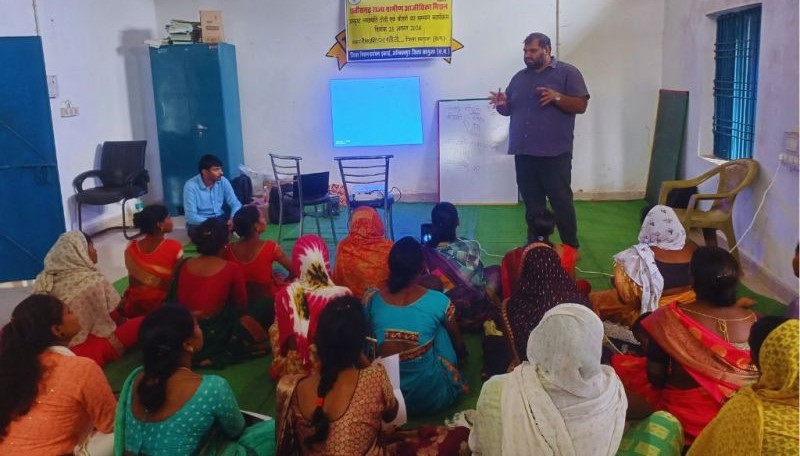
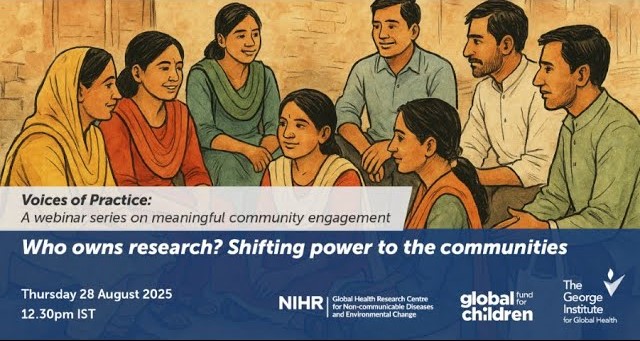
The inaugural session of the Voices of Practice: A Series on Meaningful Community Engagement, titled “Who Owns Research? Shifting Power to the Communities” was held on August 28, 2025, in collaboration with the Global Fund for Children and The George Institute for Global Health.
Led by Ms. Rituu B. Nanda, a valued member of our Public Advisory Board, the session welcomed nearly 100 participants from diverse backgrounds to explore how communities can move from being participants in research to co-creators of knowledge, sparking powerful dialogue around shifting power and redefining roles in the research process.
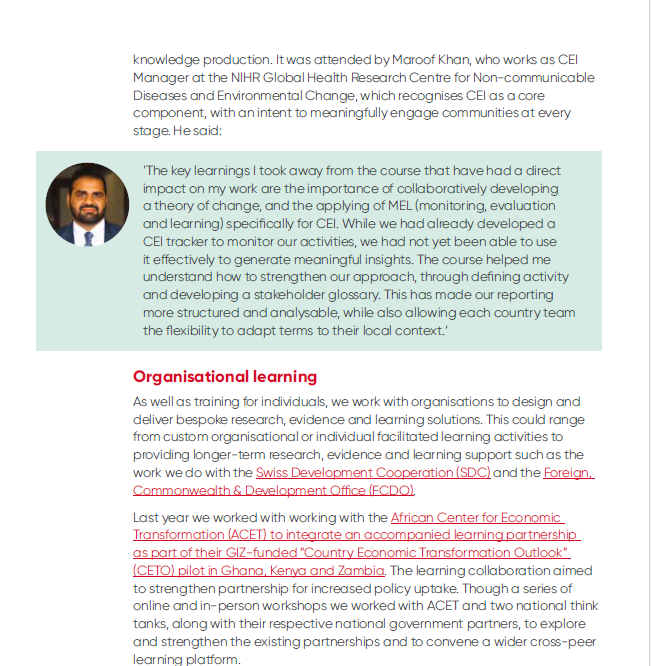
Featured in the annual review by Institute of Development Studies, Maroof Khan highlights the vital role community engagement and meaningful insights gleaned from adapting to local contexts can have towards driving equitable global health research.
Know more and discover case studies & impact stories by leading experts from across the globe here…
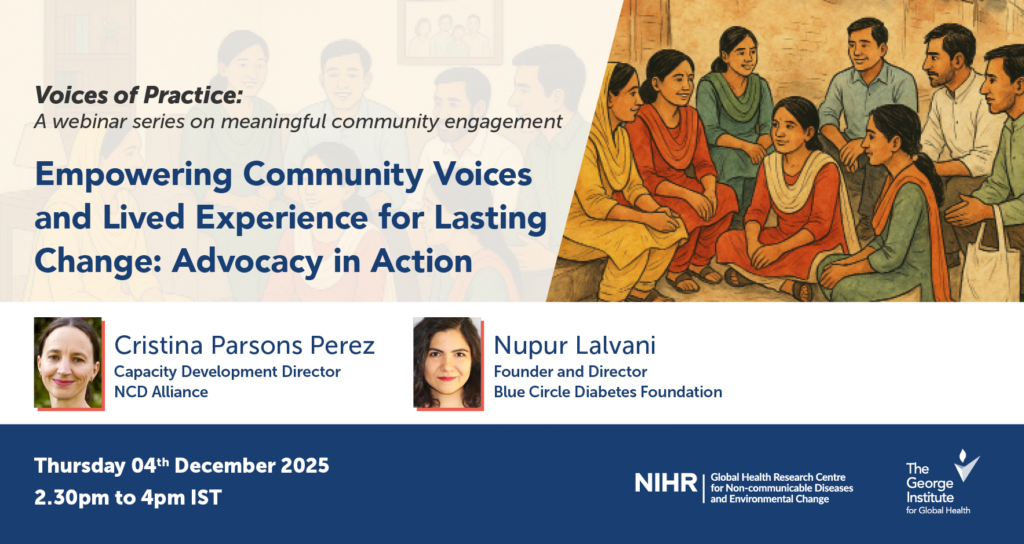
Join Cristina Parsons Perez, Capacity Development Director at the NCD Alliance, and Nupur Lalvani, Director of the Blue Circle Diabetes Foundation for an interactive conversation on “Empowering Community Voices and Lived Experience for Lasting Change – Advocacy in Action”.
The second session of the “Voices of Practice: A Series on Meaningful Community Engagement”, the dialogue delves into the transformative power of community voices and lived experience advocates in shaping equitable policies and achieving sustainable health outcomes.
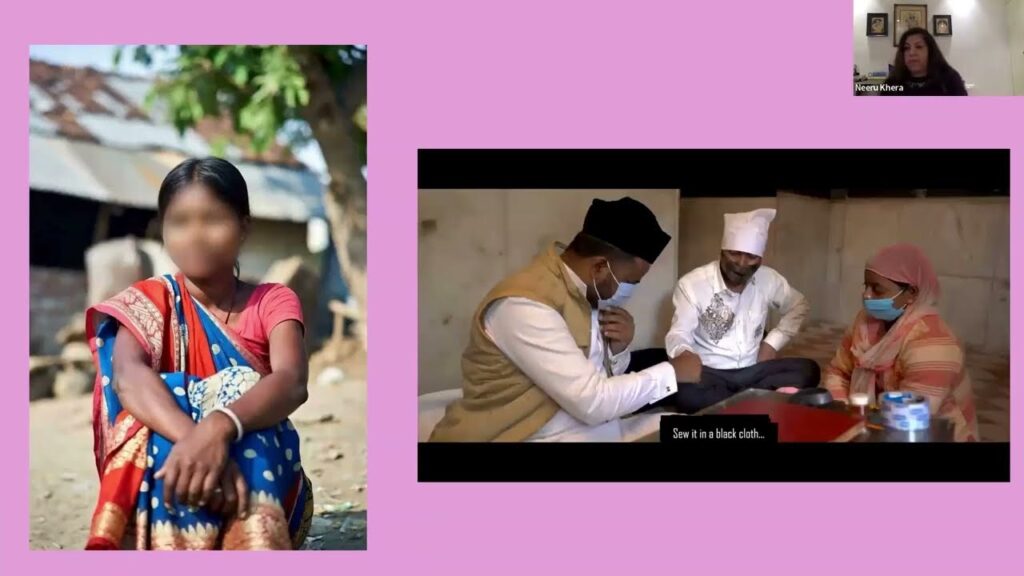
Delve into “When Pictures Speak: Film, Photography, and Trust-Building in Community Engagement,” the third session of the “Voices of Practice: A Series on Meaningful Community Engagement”, featuring the talented Neeru Khera.
Sharing compelling stories and real-life examples from her extensive practice, Neeru highlights how photography and film can amplify community voices and strengthen engagement in research and development.
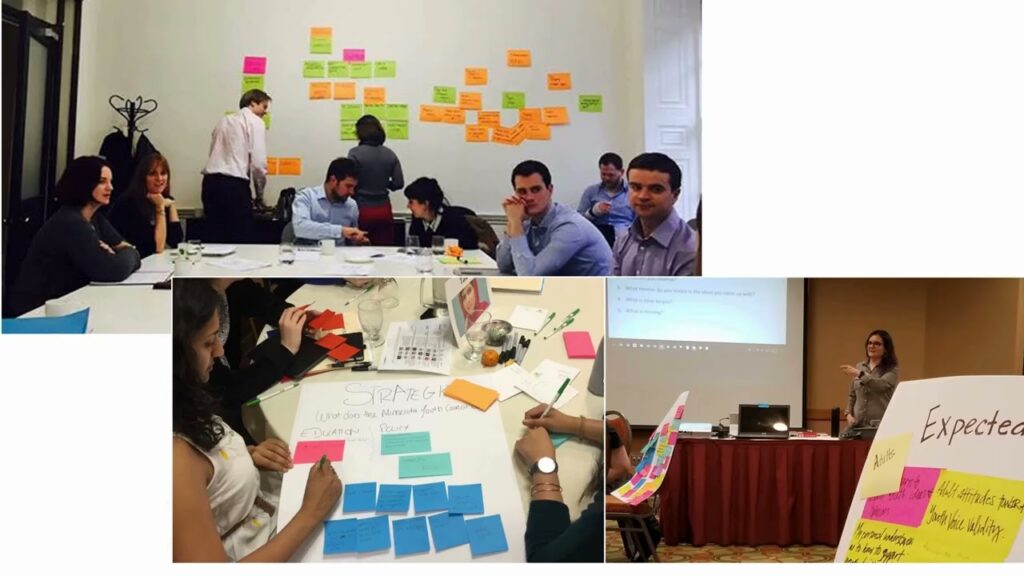
Join Dr. Nushrat Khan as she guides us through the various frameworks and methodologies for developing complex interventions. Emphasizing design thinking and a planetary health approach, Nushrat explores the tools that research teams around the world can use in their journey of co-designing and co-producing multi sectoral interventions that transcend national borders and bring community voices to the fore.
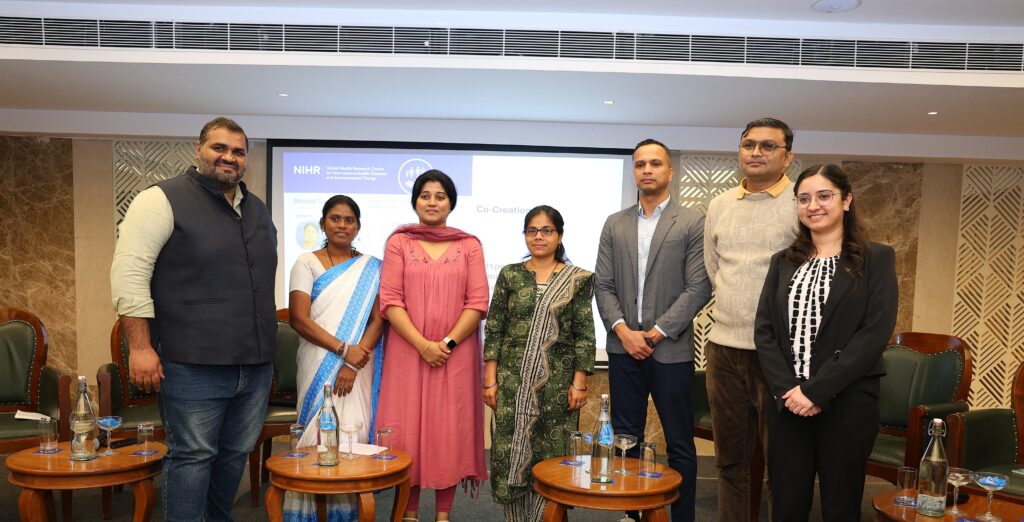
Maroof Khan chronicles with warm admiration the journey community representatives and lived experience advocates took amidst logistical hurdles & personal sacrifices to attend the CEI session at the Annual Symposium 2025. Through vivid descriptions and candid recollections, Khan captures the challenges faced by community representatives, highlights the dedication required for meaningful participation, and the behind-the-scenes empathetic preparations requisite towards bring community voices to a stage shared directly with researchers.
Know more here…
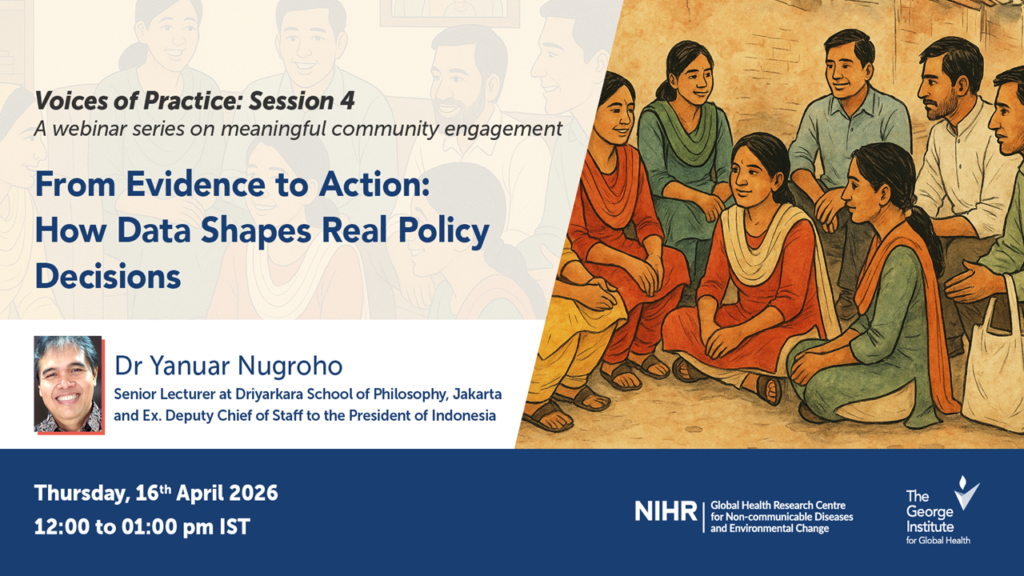
Delve into “From Evidence to Action- How Data Shapes Real Policy Decisions,” the fourth session of the “Voices of Practice: A Series on Meaningful Community Engagement”, featuring Dr. Yanuar Nugroho
A former Deputy Chief of Staff to the President of Indonesia and a seasoned policymaker, academic, and civil society advocate as Dr. Nugroho shares through compelling real-life examples and interactive discussions, an insider’s perspective on how community voices not only influence national development plans but also champions evidence-based policymaking.
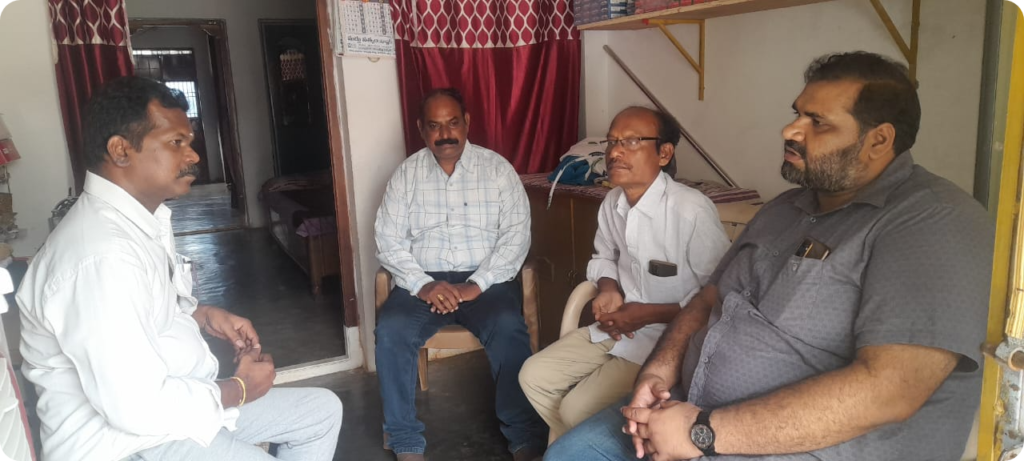
Giribabu, a dedicated and valued member of our Public Advisory Board, reflects on how communities experience and question the climate changes that are shaping their lives and health. Co-written with Maroof Khan, the blog paints a poignant picture of a village and a community grappling with the visible & invisible transitions in the environment it inhabits.
Read in full here…
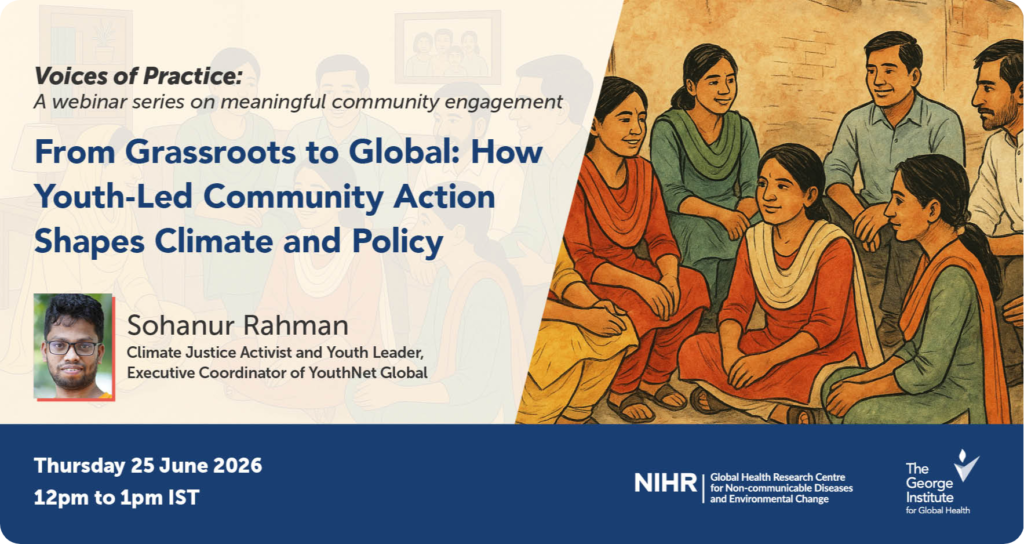
Join Sohanur Rahman, Executive Coordinator of YouthNet Global, as he shares his experiences and insights as the founder of one of South Asia’s most impactful youth-led movements. Though candid observations and real-life examples, Sohanur shares the challenges and the critical need to effectively connect grassroots realities with national and international policy dialogues.
Maroof Khan and Vikas Tandon illustrate how shared values and trust shape sustainable public health research through prose that sparkles.
Chronicling the partnership between The George Institute for Global Health and Professional Assistance for Development Action (PRADAN) in Surguja, Chhattisgarh.
Know more here…
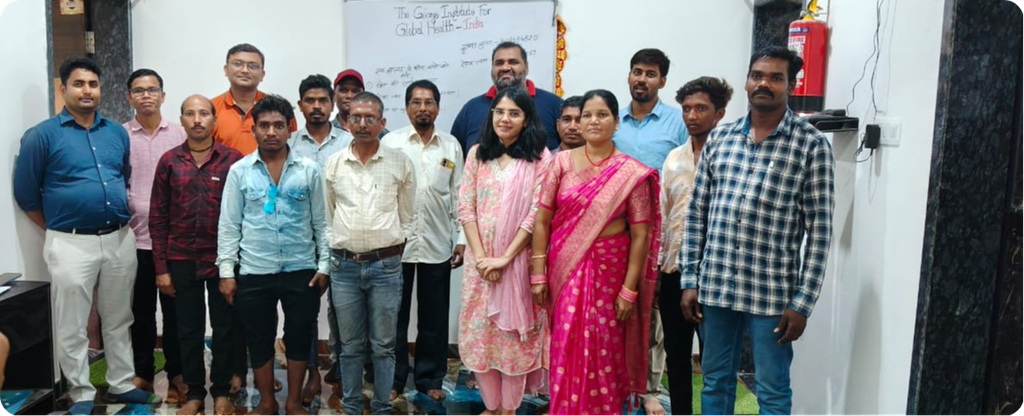
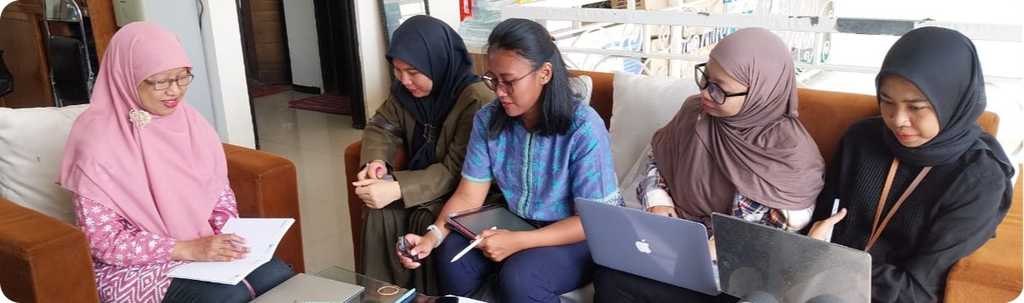
Join Dr. Rizka Amalia, Sekar Aqila Salsabilla, Serius Miliyani Dwi Putri, Meutia Fildzah Sharfina, and Dea Aginta Karina Br Tarigan as they reflect on their community engagement and involvement journey. Underscoring meaningful engagement as not just an ethical obligation but as a reciprocal process that transcends conventional academic metrics, built on mutual learning, humility, and strong community ties.
Read here…
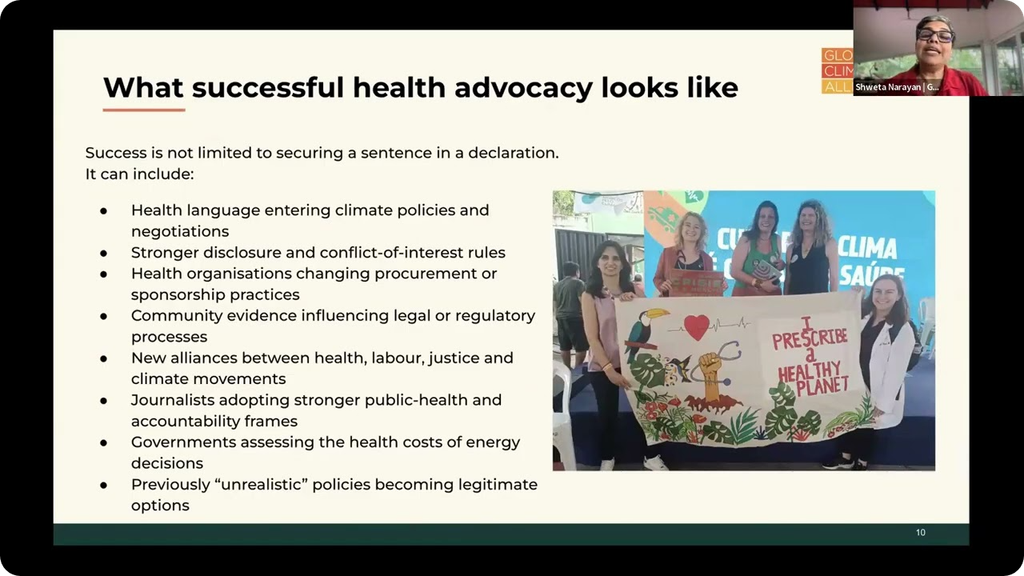
Join Shweta Narayan, Campaign Lead for the Global Climate and Health Alliance, as she highlights how evidence, community insights, and public concerns can be harnessed to strengthen climate and health advocacy, drive impactful policy changes, and inspire collective action.
Underlining the critical need to shift from a reactive disaster response to a proactive stance in shaping policies, Narayan emphasises that the key to effective advocacy lies in making complex research evidence accessible and centering community experiences to drive meaningful policy changes to safeguard public health.