In my role as the technical lead for the SMARThealth application, I recently had the opportunity to visit Palasa, a town in Andhra Pradesh. Although it was my second visit to the state, this sojourn to test the application and gather feedback on its usability, acceptance, and effectiveness left a special and lasting memory.
Marking my first direct interaction with the local community as part of our co-design process, the journey and interactions during it have left a profound mark on my personal and professional life. I’d like to share powerful experiences that deeply inspired me and reignited my passion for SMARThealth and empowering community health.
A Glimpse into Mandasa: A Village of Warmth and Wisdom
While in our fast-paced urban lives, everything is just a tap of our fingertips away—groceries, transport, even healthcare, everyday life in the village of Mandasa, located in the Srikakulam district of Andhra Pradesh, follows a different rhythm — slower, simpler, and more connected to nature.
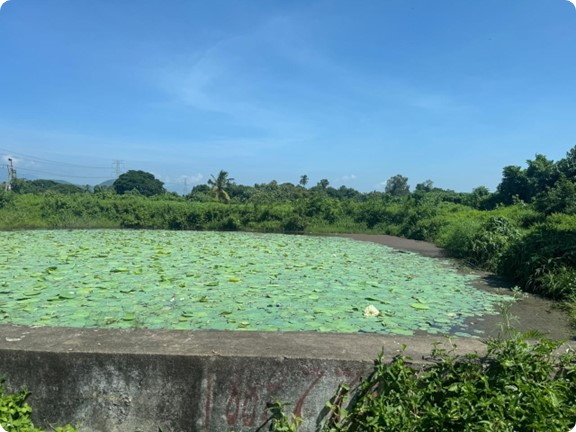
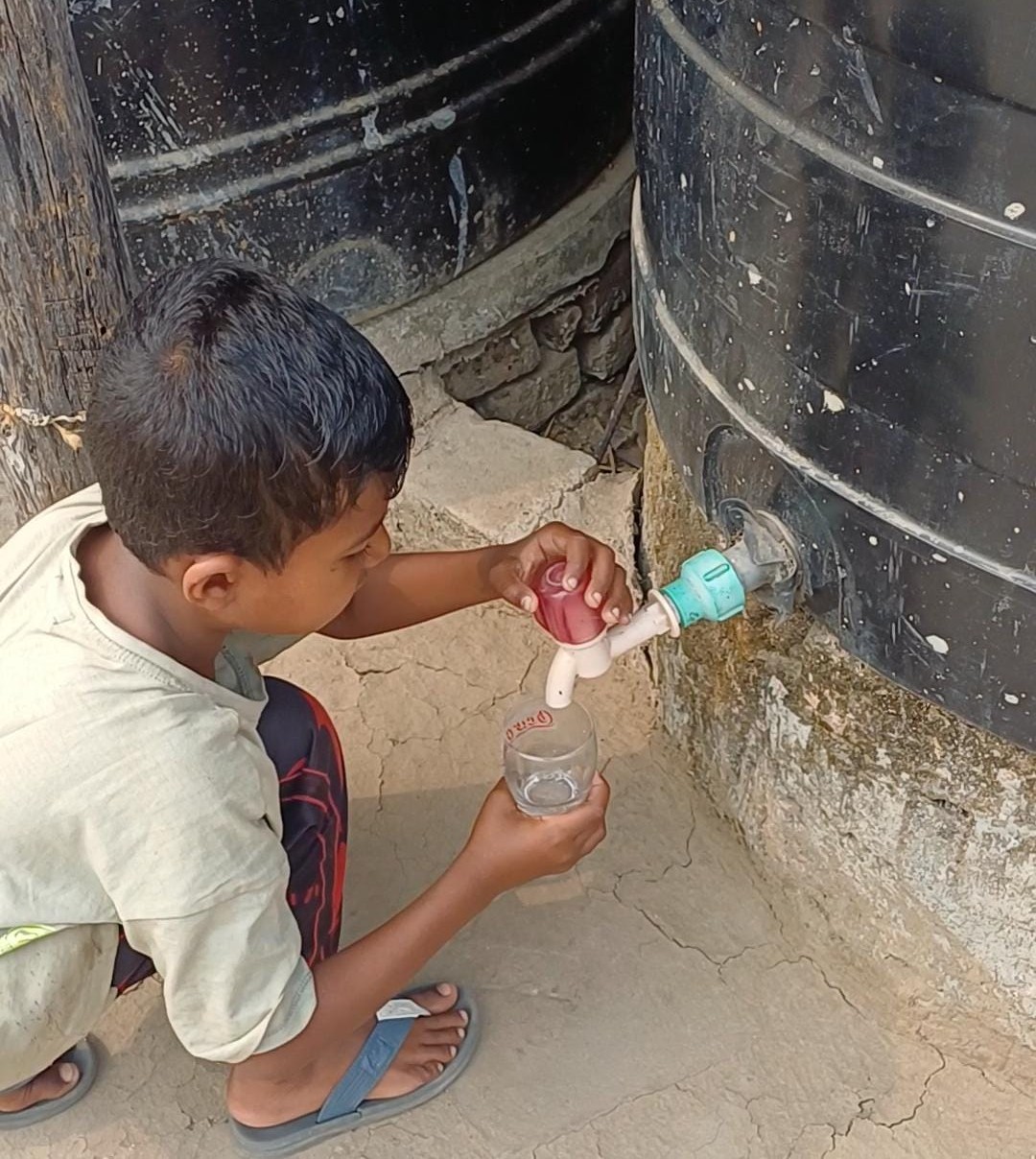
Mandasa is a lush, green village where hospitality is a way of life. When one visits a home, the entire colony welcomes you with open arms. You’re offered tea or snacks with such warmth that it’s impossible to refuse. Despite the sweltering heat, most homes don’t have fans, let alone air conditioners. Living in harmony with nature, cooled by the breeze and shaded by the trees.
Image curated by writer
Farming is the primary livelihood here. The day begins early, with families heading to their fields, working tirelessly under the sun. Their lives are largely self-sustained—they grow their own food and store essentials like rice, pulses, and nuts for the entire year. It was this self-reliance that made them resilient even during the COVID-19 lockdowns, with minimal disruption to their daily lives.
A Life of Purpose at 85
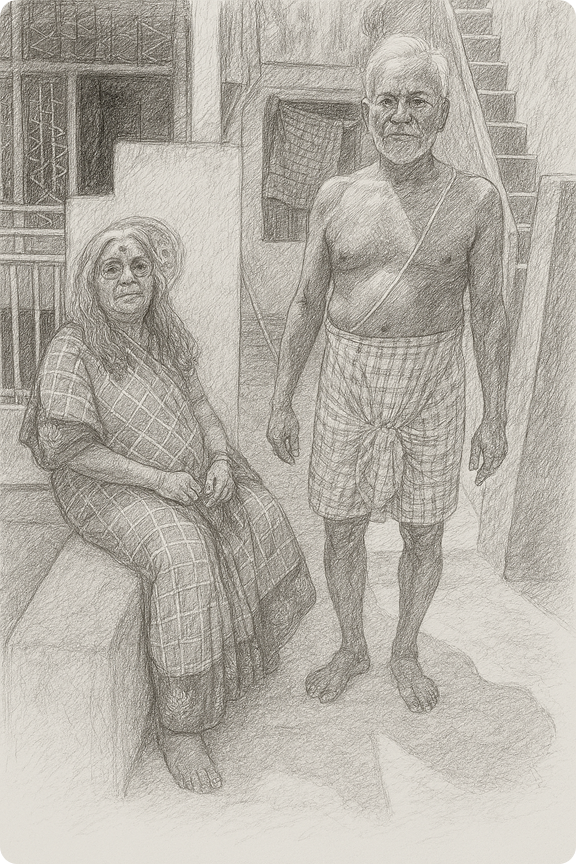
One of the encounters that I’d like to highlight and which deeply moved me was with an elderly couple—an 85-year-old man and his wife, who is perhaps 70 years or more and has impaired vision. During our SMARThealth screening, we noticed his blood pressure was slightly elevated. When we asked if he was feeling stressed, he shared his story.
He had lost his son early in life and now takes care of his wife alone. His daily routine includes waking up early, eating a quick breakfast of curd rice (saddannam), working in the fields until afternoon, returning home to cook, and managing all household chores. At 85, he does all this without complaint. His only concern? That he stays healthy enough to care for his wife and outlives her, so she’s never left alone.
Original Artwork ©
His resilience and selflessness left a lasting impression on me. That one conversation rejuvenated my spirit and gave me a fresh perspective on what it means to live meaningfully. SMARThealth is more than a digital tool—it acts as a bridge to health equity. It brings health guidance to people in remote areas where the internet can’t reach and to those who cannot frequently travel to hospitals. By integrating environmental factors with health insights, it ensures that reliable, personalised support reaches everyone, empowering the common person with accessible, informed care.
The Unsung Heroes: ASHA Workers
Another profound source of inspiration came from the ASHA (Accredited Social Health Activist) workers—the true backbone and unsung heroes of rural healthcare. Much more than health workers, they are trusted members of every household, offering not only medical support but also emotional strength and unwavering companionship to the communities they serve.
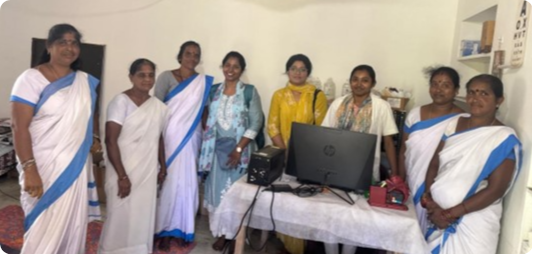
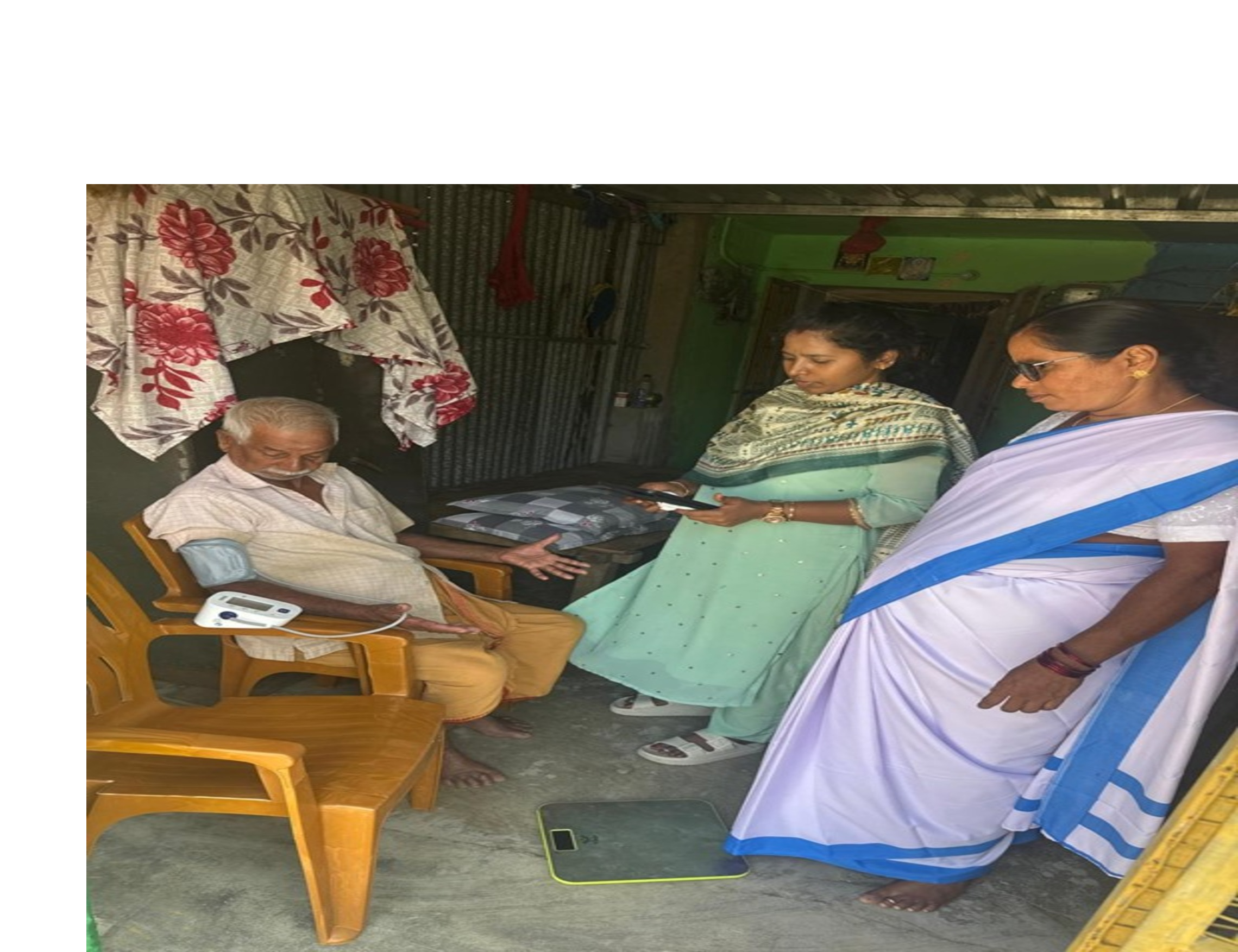
During our visit, we had the privilege of meeting several ASHA workers who have been dedicated to their roles for over 25 years. Their tenacity, energy, commitment, and passion were truly infectious. What stood out most was their eagerness to embrace new technologies. Despite limited resources, they are keen to continuously move with the times, adapting and embracing digital tools with enthusiasm and resilience.
Image curated during field visit
Their spirit inspired me deeply. It made me realise that my role is not just about developing an application—it’s about making their lives easier and more impactful. The SMARThealth application for Cardiovascular Disease (CVD) and Chronic Kidney Disease (CKD) screening was warmly received by them. They especially appreciated the offline support, which allows them to use the application even in areas with limited connectivity. They also provided valuable feedback, all of which were carefully considered and integrated to enhance the application further.
Their trust in the tool and their eagerness to use it reaffirmed our belief that we are on the right path—building something that truly empowers communities and supports health equity.
Reflections and Gratitude
My field visits to Palasa, especially to Mandasa village, have been more than just professional assignments—they’ve been life lessons. They taught me the value of simplicity, resilience, and human connection. Serving as a reminder to appreciate what I have, to live with purpose, and to find joy in the simple pleasures of everyday life.
I returned from these visits not just with data and feedback, but with a heart full of gratitude and a renewed sense of commitment to the work we do. Work, we are now certain, can change the landscape of primary health care and equitable public health.
——————————————————
This blog was authored by Sridevi Gara
About the author:
Sridevi Gara- Sridevi Gara is a Technology Lead specialising in SMART health innovation. With over 15 years of experience in IT and software development, she leads all SMARThealth projects and is skilled in managing health research programmes powered by AI. She is passionate about building scalable digital health solutions that create real-world impact.
This research was funded by the NIHR (Global Health Research Centre for Non-communicable Diseases and Environmental Change) using UK international development funding from the UK Government to support global health research. The views expressed in this publication are those of the author(s) and not necessarily those of the NIHR or the UK government.