For most of my career, I believed that the success of a technology was defined by performance, scalability, and delivery speed. If the system was stable, the architecture clean, and the release went live on time, it was a win. That belief shifted completely when I stepped into the world of health research through The George Institute for Global Health.
The code I was writing was not just powering applications—it was supporting studies, enabling evidence generation, and influencing decisions that could impact human lives. The shift was not merely technical. It was both personally meaningful and professionally transformative.
A Transition That Changed Everything
Six years ago, after spending several years in traditional technology domains—core development, enterprise systems, and large-scale delivery—I transitioned into health research. I had assumed that technology problems everywhere were fundamentally the same: architecture, performance, scalability, and deadlines.
But the moment I entered the health research ecosystem, I realised that the rules were entirely different. In commercial technology, success is often measured by how fast you ship, how much you grow, or how much revenue you generate. In health research, success is measured by something far more meaningful—improved human health outcomes.
The data you handle aren’t just rows in a database. They represent patients, treatments, clinical decisions, and sometimes life-changing interventions. That realisation reshapes your entire mindset as a technical professional.
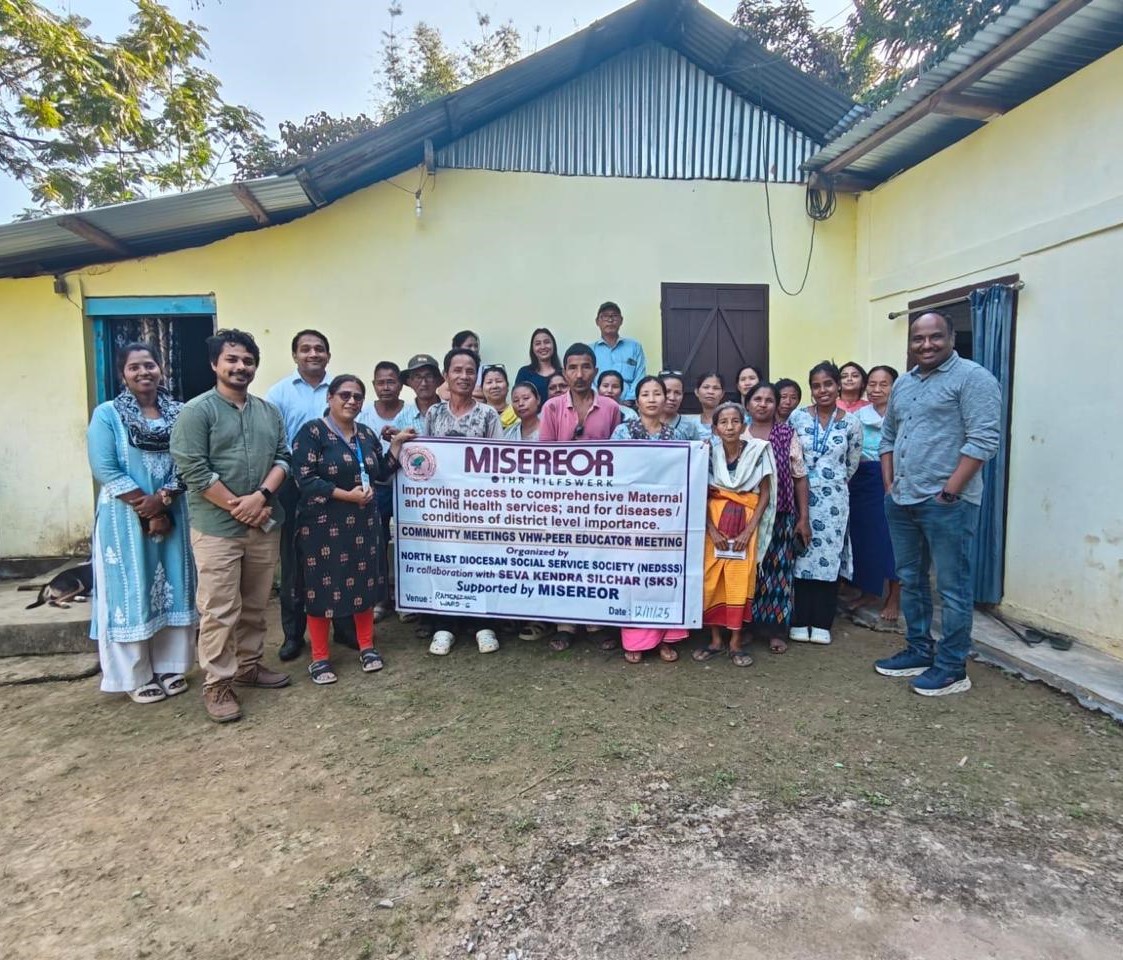
Image curated during community engagement session
Learning to Think Differently About Data
One of my earliest lessons that reframed my perspective was understanding the importance of data integrity over delivery speed. In most tech companies, minor data issues can be patched in the next sprint. But in health research, even the slightest of data inconsistencies can affect:
- Clinical trial results
- Policy decisions
- Scientific publications
- Patient care outcomes
Accuracy isn’t optional—it is foundational.
Understanding Research and Clinical Workflows
Another significant shift in my mindset was learning how research and clinical environments operate. Unlike standard technology teams, where engineers and product managers drive decisions, health research involves, clinicians, data managers, statisticians, ethics committees, regulatory bodies, and more.

With each expert playing an essential role. As a technical person, one must listen deeply, understand the context, and design systems that respect scientific workflows rather than disrupt them.
From left to right: Sridevi Gara, Tripura Batchu
Relearning Communication
One of the biggest personal challenges for me was communication. In tech, we speak comfortably in terms and idioms like APIs, microservices, latency, pipelines, or deployments. But in health research, many stakeholders are unfamiliar with technical lexicon and understandably so. Their focus is patient outcomes, research integrity, and scientific accuracy—not system architecture.
I had to learn how to:
- Explain technical concepts in a simple, human-centric language
- Communicate risk in a meaningful way
- Translate complexity into clarity
- Tie system decisions to real-world research impact
Over time, I realised I wasn’t learning a new coding language—I was learning the language of empathy, clarity, and purpose.
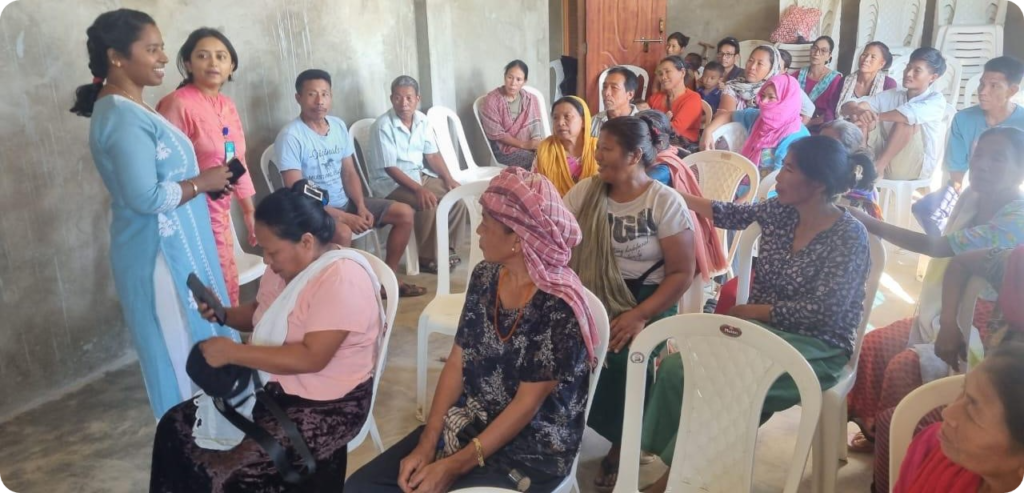
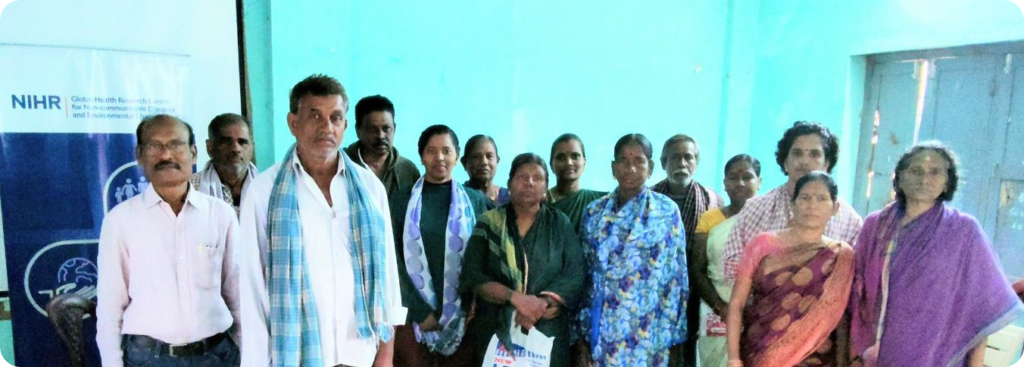
In conversation with community stakeholders
Privacy, Compliance, and Trust by Design
Handling health data is fundamentally different from handling commercial data. Privacy isn’t just a feature; it is a core obligation.
This shift required me to prioritise:
- Privacy-by-design principles
- Consent-aware data flows
- Secure environments and access controls
- Compliance with regulatory and ethical standards
In health research, data isn’t just sensitive—it is and should be protected by ethics, law, and responsibility.
Designing Sustainable Solutions
Health studies can run for years. Systems must remain reliable, maintainable, and stable over long durations. It shifted my focus from quick releases to sustainable solutions. Architecture decisions are not just about today’s needs—they must support long-term research continuity. Designing sustainable systems became a core principle in my work.
Final Reflection
Transitioning from a pure technical domain into health research has been one of the most meaningful phases of my career. It has taught me that technology is not just about systems—it is about people. It is not just about code—it is about trust. And it is not just about delivery—it is about responsibility.
For any technical professional considering this path, be prepared for more than a domain change. Be prepared for a mindset transformation.
And that transformation is worth it.
——————————————————
This blog was authored by Sridevi Gara
About the author:
Sridevi Gara- ridevi Gara is a Technology Lead specialising in SMART health innovation. With over 15 years of experience in IT and software development, she leads all SMARThealth projects and is skilled in managing health research programmes powered by AI. She is passionate about building scalable digital health solutions that create real-world impact.
This research was funded by the NIHR (Global Health Research Centre for Non-communicable Diseases and Environmental Change) using UK international development funding from the UK Government to support global health research. The views expressed in this publication are those of the author(s) and not necessarily those of the NIHR or the UK government.