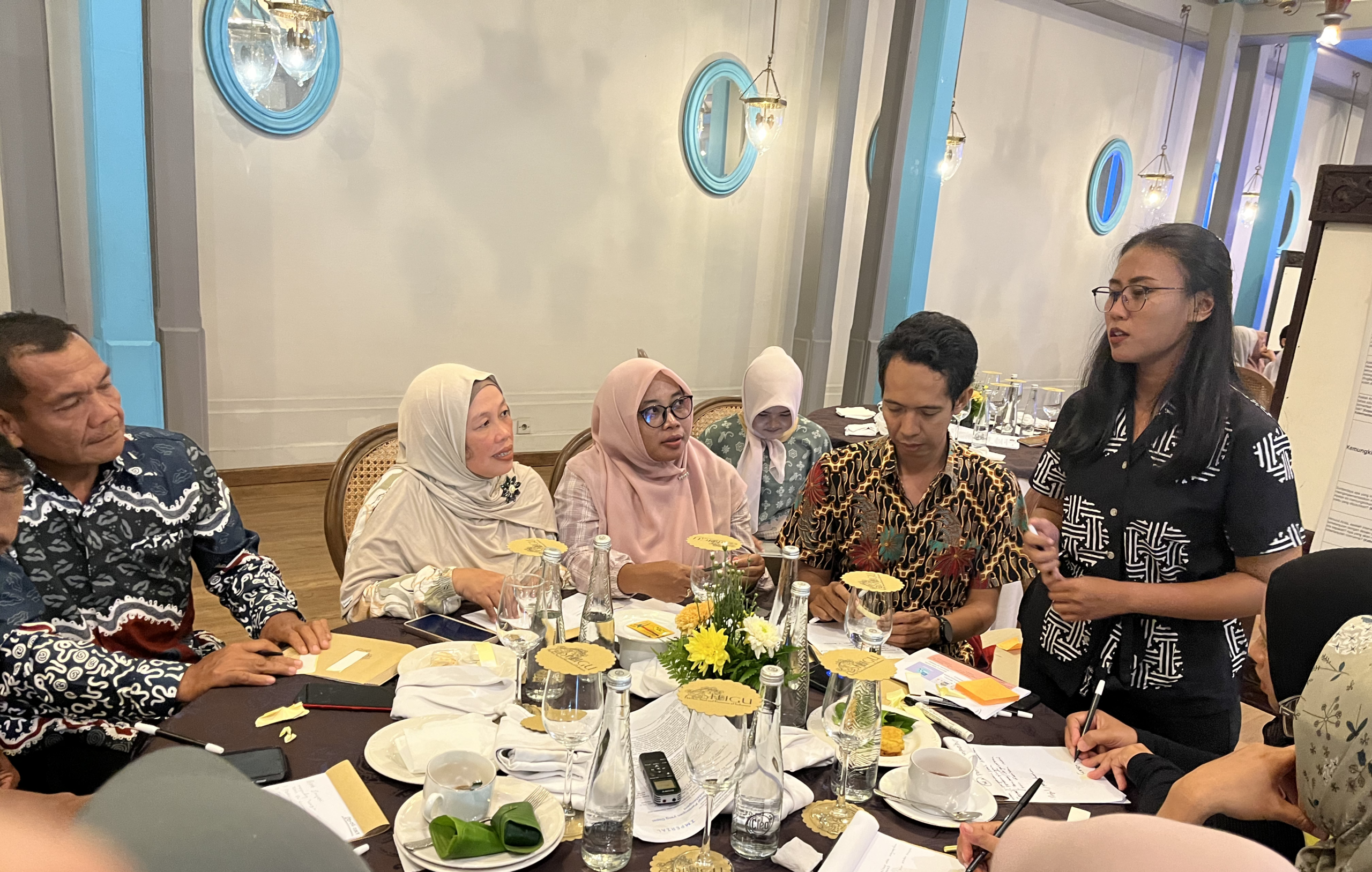

As climate change increasingly shapes health outcomes across the globe, the 3rd Annual Symposium of the NIHR Global Health Research Centre for Non-Communicable Diseases and Environmental Change marked an important moment of reflection and resolve. Hosted in Hyderabad by The George Institute for Global Health, the symposium brought together researchers, policymakers, community partners, and global experts from India, Bangladesh, Indonesia, Australia and the United Kingdom for two days of reflection and conversations.

Looking Back, Without Standing Still
Three years since its launch in September 2022, the Centre has come a long way, from asking foundational questions to actively testing solutions at the intersection of climate change, environmental risk, and non-communicable diseases. The symposium commenced with a visual journey through this evolution, reminding participants that what began as an ambitious research collaboration has evolved into a multi-country platform grounded in co-design, community partnership, and policy relevance. Importantly, this evolution reflects a deliberate shift from problem description toward implementation, learning, and scale.
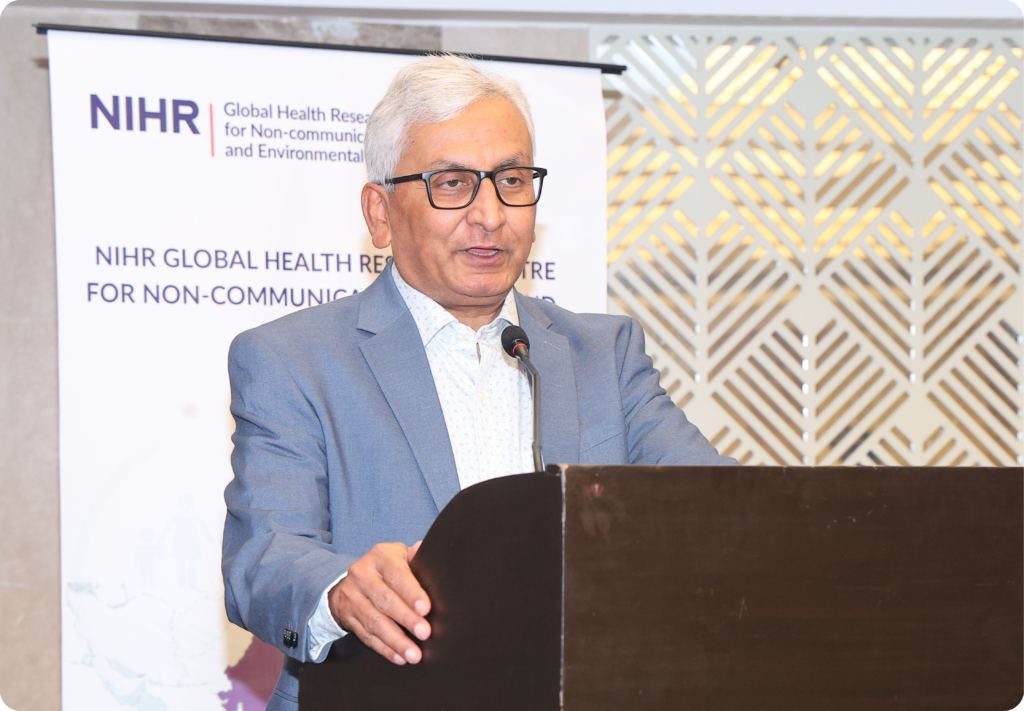
As Prof. Vivekanand Jha, Co-Lead of the Centre reflected,
“Low- and middle-income countries are facing a double whammy – rising NCDs on one hand and accelerating environmental threats on the other. Our work sits squarely at that intersection, shaped as much by communities and health workers as by data.”
The message was clear: the next chapter must move beyond proof of concept and focus squarely on implementation, evaluation, and sustainability.
Locating Health at the Heart of the Planetary Health Agenda
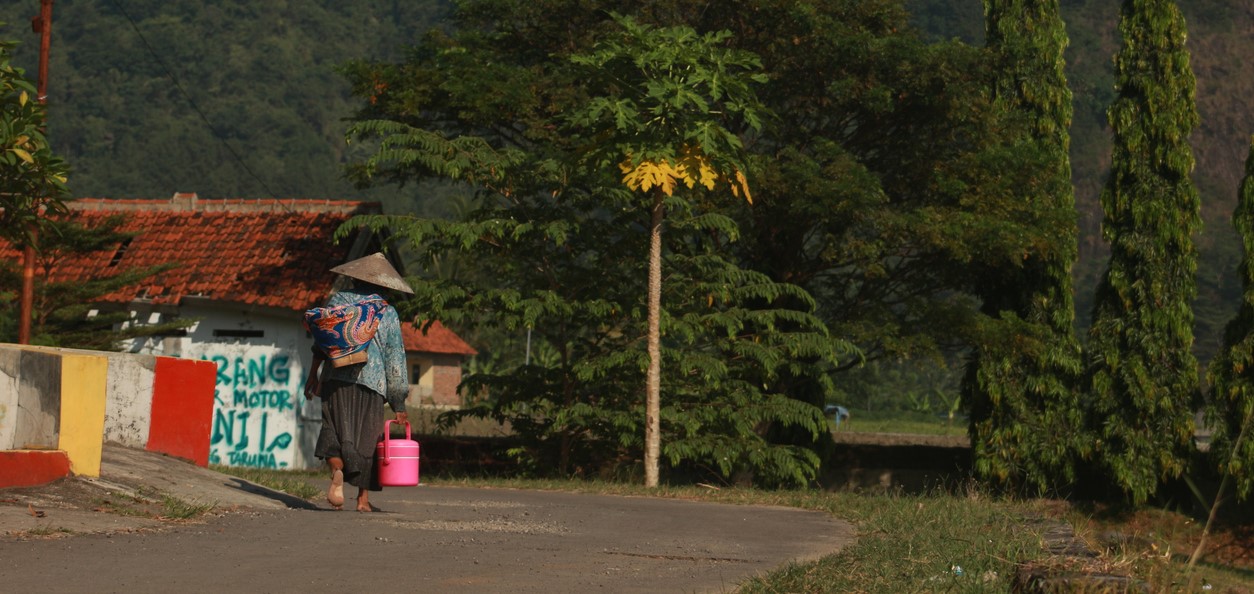
Across sessions, an idea that reiterated itself was that health cannot be a footnote in planetary health conversations. Extreme heat, air pollution, water salinity, and disrupted food systems are not distant risks. They are shaping how non-communicable diseases emerge and persist, especially in low-resource settings.
Rather than stopping at risk documentation, discussions pushed for action-oriented science: research that informs policy, strengthens institutions, and meets communities where they are. In other words, fewer papers gathering dust, and more evidence shaping decisions. This framing positioned the Centre’s work not as a collection of discrete projects, but as a coherent program of systems focused inquiry aimed at aligning health, environment, and development priorities in an era of planetary crisis.
Scaling What Works (and Making It Stick): From Pilots to Policy
From digital tools supporting frontline health workers to nutrition-sensitive food system interventions and environmentally sensitive primary healthcare models, the Centre’s work has generated promising solutions across countries. But as several speakers noted, scaling is not about “copy-paste and expand.”

True scale comes through institutionalisation, by embedding innovations into national programmes, aligning with existing systems, and designing with longevity in mind. Early engagement with policymakers and cross-sector collaboration emerged as non-negotiables, not afterthoughts.
When Evidence Meets Governance
Despite mounting evidence linking climate change and health risks, translating research into governance remains a seemingly persevering challenge. Panel discussions did not shy away from this uncomfortable truth. The Centre’s cross-country experience highlighted that data alone rarely moves policy. What does is persistent advocacy, trusted relationships, and platforms where researchers and decision-makers can actually talk, often more than once.
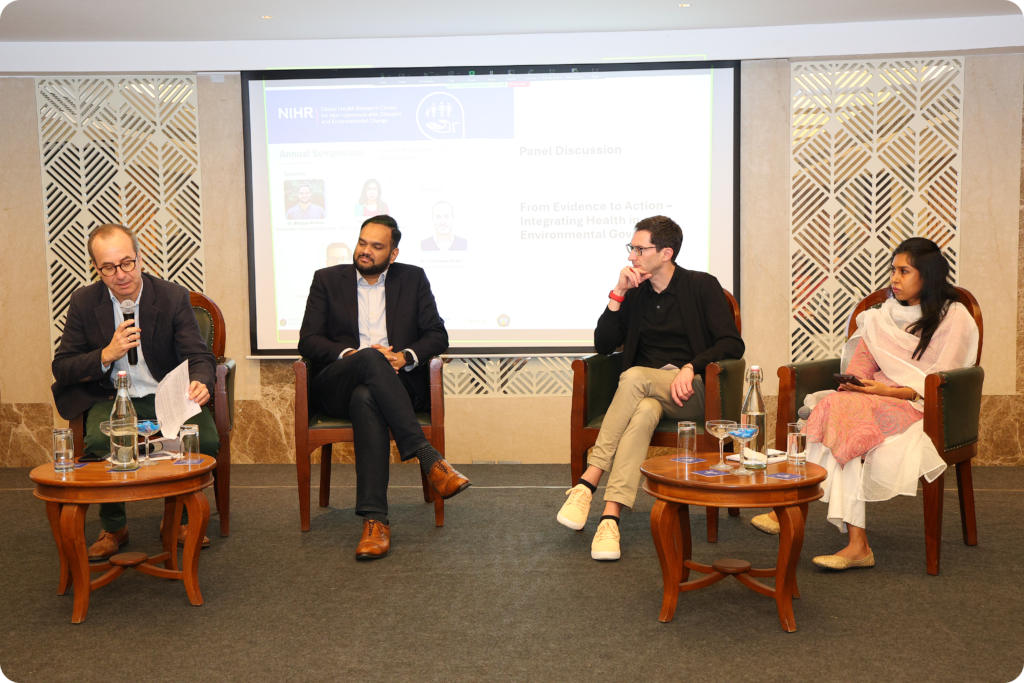
As Prof. Christopher Millett, PI of the Centre, put it,
“Our role is not just to generate evidence, but to help institutions build the capacity to use it locally, nationally, and beyond.”
Co-Creation as a Practice, Not just a Principle
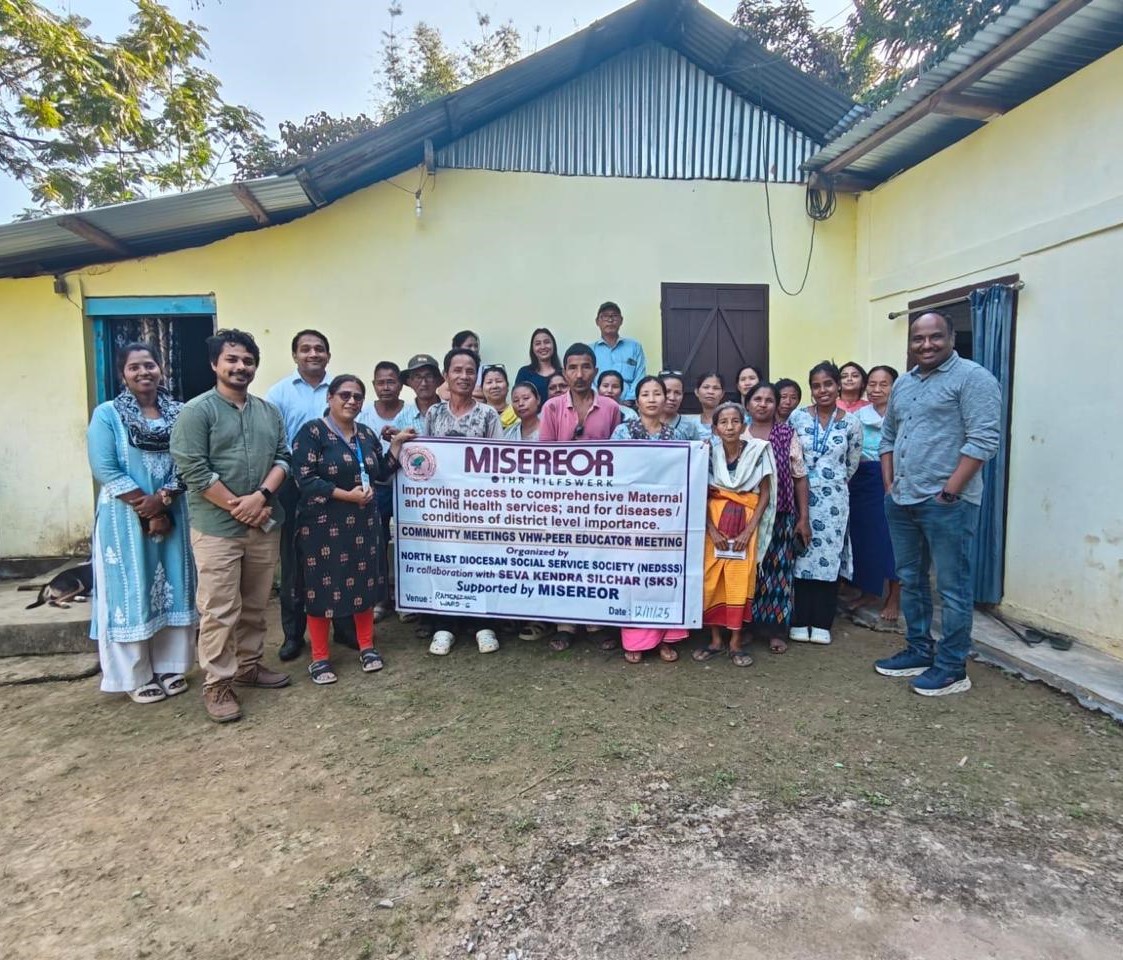
One of the most compelling moments came when community voices took centre stage alongside researchers. These conversations moved beyond the feel-good language of participation to tougher questions: Who decides? Who benefits? Who owns the evidence?
Community members spoke candidly about trust, time, and transparency. Researchers reflected on the real tensions between methodological rigour and lived realities. The takeaway? Co-creation isn’t an item on a checklist. It’s a practice that demands patience, humility, and long-term commitment. They also highlighted that equitable partnerships are foundational to sustainable impact, not an optional add-on.
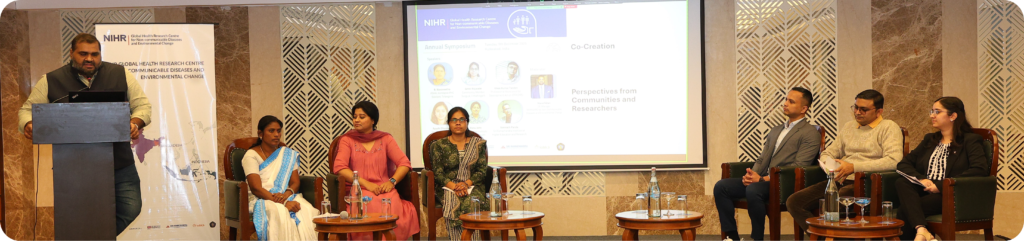
“I speak with community and spend time with them. It’s not necessary that trust once built can be broken but we need to navigate those dynamics. Trust doesn’t come from one meeting. It comes from showing up again and again.”
– B. Navneetha, ASHA, Kondapak PHC, Siddipet
Investing in People, Not Just Projects
From early-career researchers pitching field-inspired questions to candid conversations on gender and leadership, the symposium repeatedly returned to the unassailable truth: sustainable impact depends on people.
Research Capacity Strengthening is part of the core infrastructure, shaping a generation of researchers who are interdisciplinary, community-informed, and policy-aware. Discussions on environmental impact assessment and economic evaluation reinforced this forward-looking approach to know not just what works, but at what cost, and at what environmental price.
Charting the Road Ahead
As the symposium concluded, attention turned firmly to the future. The coming phase of the Centre’s work will focus on implementing co-designed interventions, rigorously evaluating their effectiveness, deepening cross-country and cross-sector partnerships, and strengthening pathways to policy impact. At its core, this next chapter is about ensuring the resilience of health systems, of communities, and of the research ecosystems that support them.
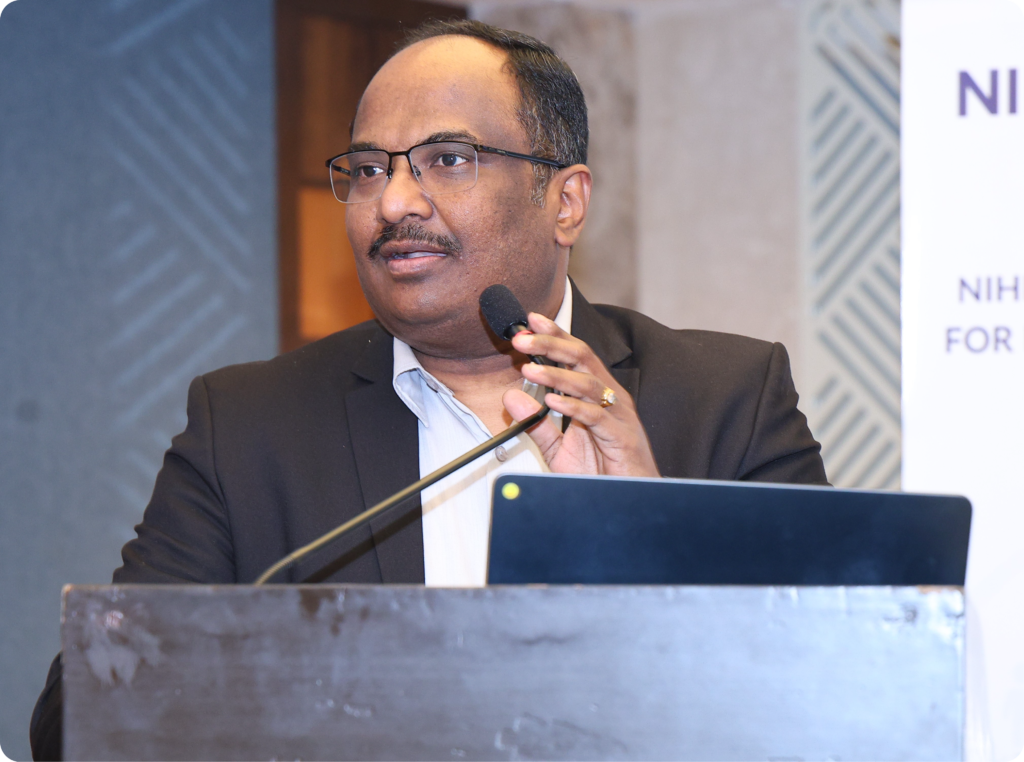
Dr. D. Praveen, Centre Director, captured this ambition succinctly,
“For research to be equitable, it must be both cutting-edge and grounded. Our work balances digital innovation with community-led solutions because impact only lasts when it works in the real world.”
From a personal perspective, being involved in organising this symposium was a powerful reminder of why this work matters. Beyond the agenda and sessions, what stood out most was the collective commitment in the room – the zeal and enthusiasm of early career researchers, the openness of community partners, the commitment of partners, created a shared sense of purpose.
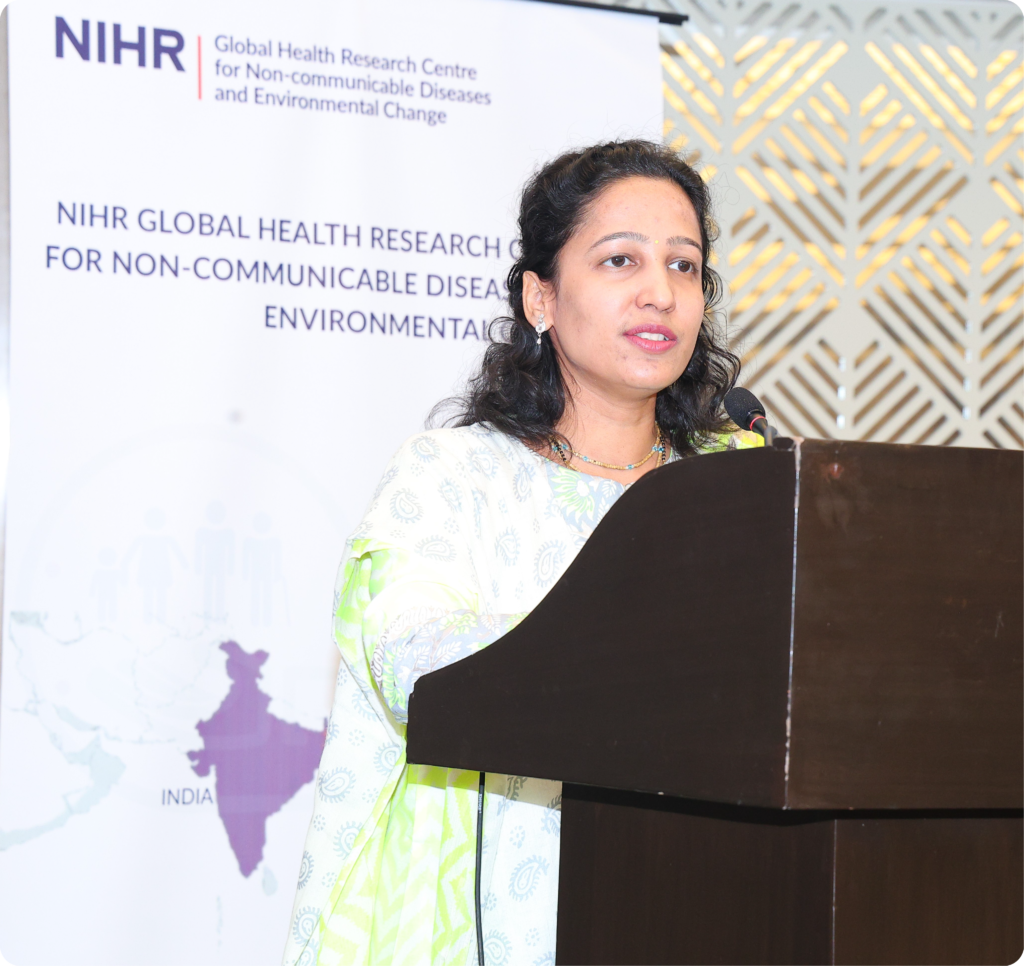
The participants stayed engaged beyond their allotted sessions, conversations spilled into breaks, and the effort to reflect, challenge assumptions, and learn from one another was evident. For us as a Centre, it was a reaffirmation that our role is not only to generate evidence, but to create spaces for meaningful exchanges, where trust is built, collaboration is nurtured, and the urgency of climate–health action is collectively acknowledged.
The Hyderabad symposium was more than a milestone. It was a moment of collective resolve. A reminder that moving from evidence to action is rarely linear, often messy, but entirely imperative. After all, when climate and health are at stake, standing still is not an option.
——————————————————
This blog was authored by Suruchi Aggarwal.
About the author:
Suruchi Aggarwal– Suruchi is the Program Manager for the NIHR Global Health Research Centre for Non-communicable Diseases and Environmental Change. She co-ordinates this intricate, multi-country research initiative and effectively connects implementation partners with funders, ensuring that the project adheres to the highest ethical standards and generates meaningful impact. Suruchi’s comprehensive approach spans governance, project execution, and partner engagement, while also embedding critical priorities such as capacity building, equity, and sustainability into every stage of the research.
This research was funded by the NIHR (Global Health Research Centre for Non-communicable Diseases and Environmental Change) using UK international development funding from the UK Government to support global health research. The views expressed in this publication are those of the author(s) and not necessarily those of the NIHR or the UK government.