Reflections from the stakeholder workshop in Palasa, Srikakulam
A Warm Welcome in the Heat
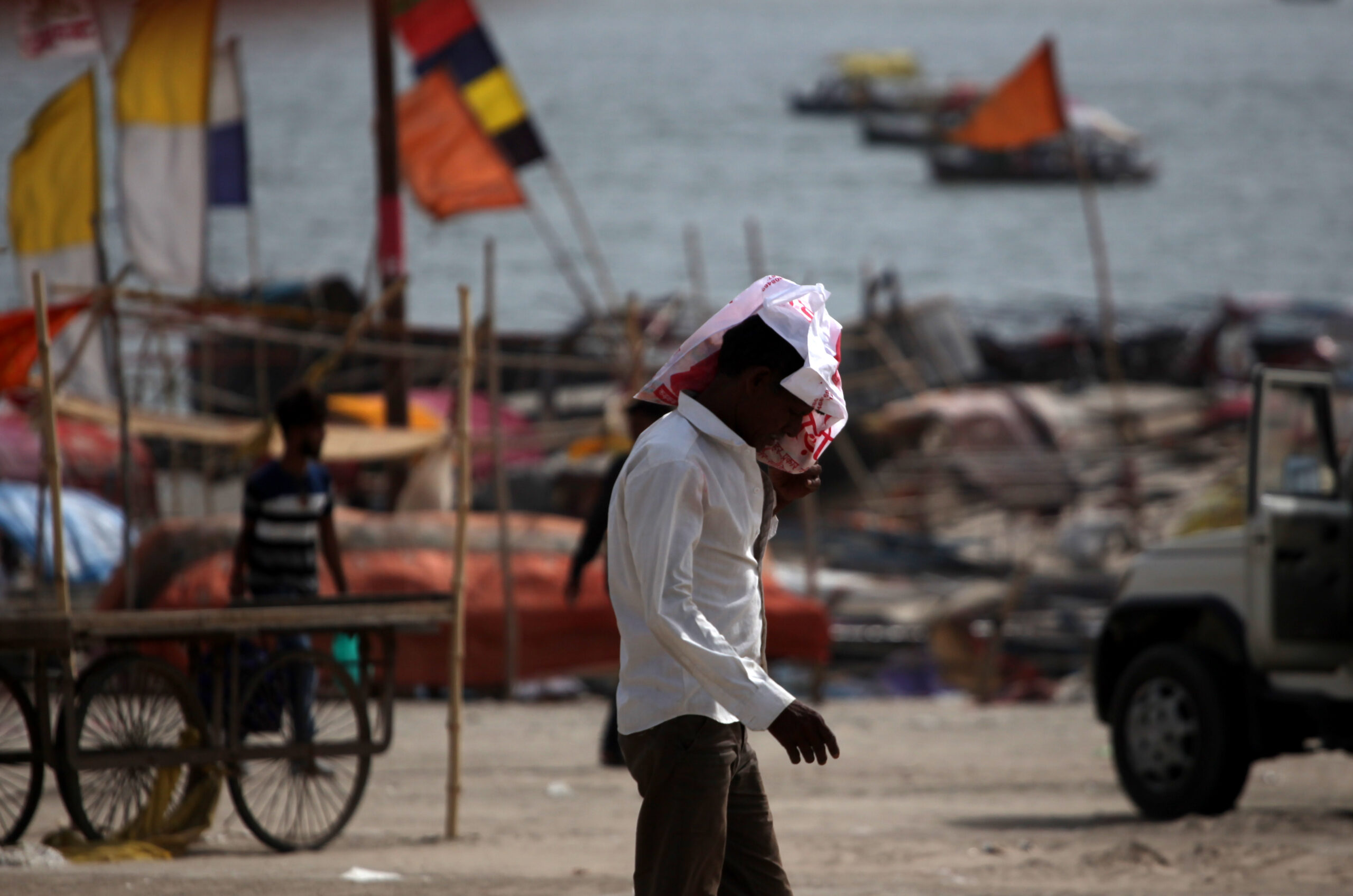
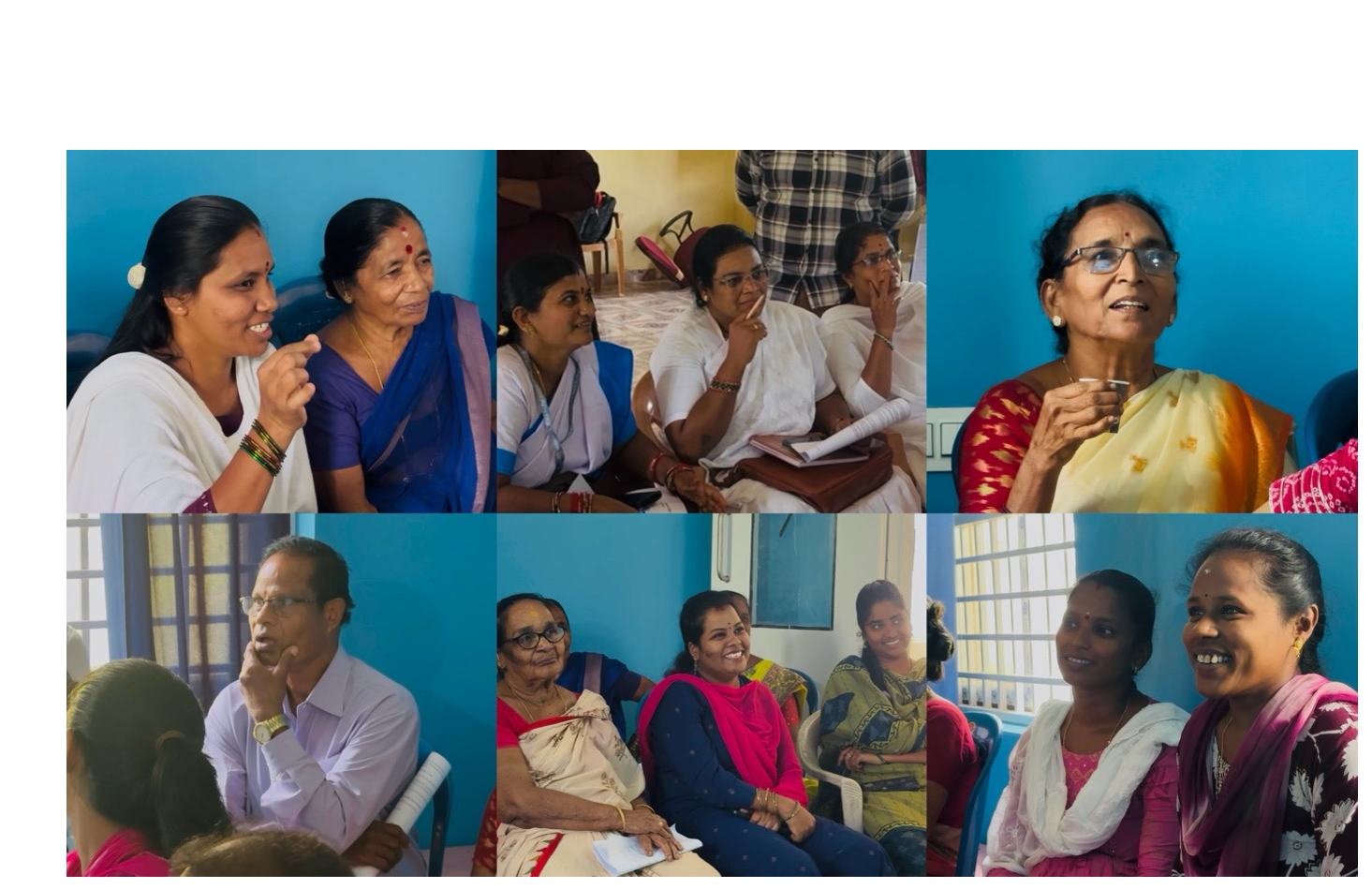
The morning sun in Palasa had already turned fierce by the time we reached the primary health centre located on the outskirts of the village. The air shimmered, and even the trees stood still, conserving their energy for the long day ahead. But the warmth that we experienced was that of a different kind. The space was filled with smiles, handshakes, and the light hum of recognition as the community members gathered for the stakeholder workshop.
Though it was my first visit to Palasa, I was immediately struck by the affection with which the community remembered the NIHR GHRC team from the earlier workshop, which was six months ago. The community’s enthusiasm wasn’t captured merely by their faces, but by their conversations, laughter, and the feeling of being heard. Their warm welcome and closeness created a subtle atmosphere of trust that softened the heat outside.
Amidst the forms, data sheets, and logistics that define research, it was these relationships that anchored the project. People remembered the discussions about handling extreme heat and the challenges faced by those living with non-communicable diseases (NCDs). Their memories of the previously held discussions weren’t of research questions or consent forms, rather, it was about the connection.
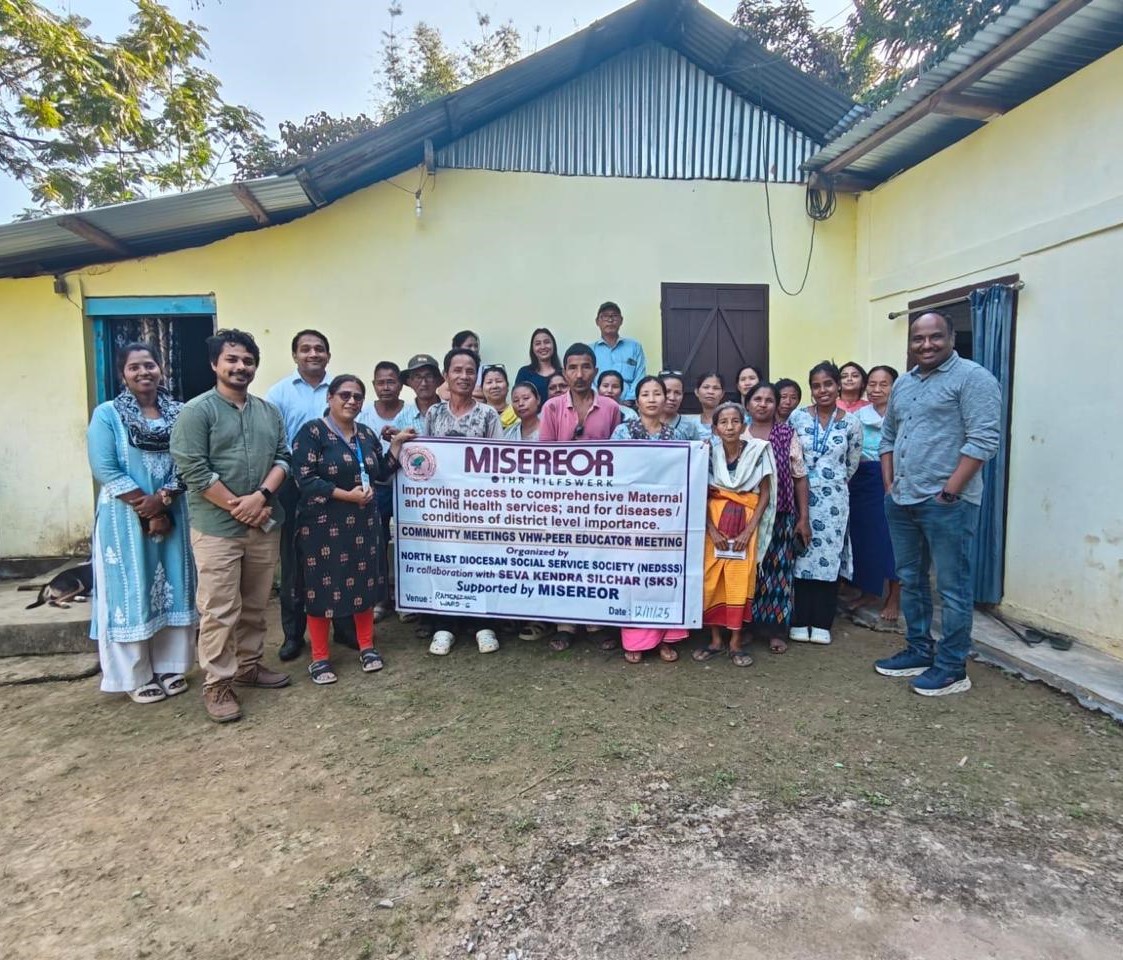
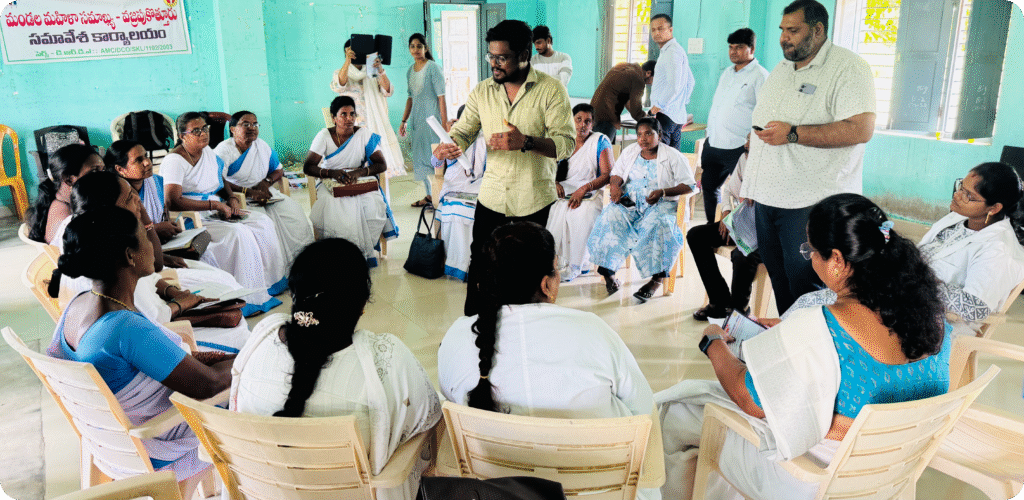
Image curated during a workshop
When People Remember You Back
In research, we often talk about “follow-up,” but in Palasa, the community followed up with us. “You came last summer,” one elderly man said, “when the heat was unbearable. You asked about our sugar and blood pressure.” Another woman added, “You told us to drink more water and rest in the shade. We remembered.”
Listening to them, I realised how deeply the project had resonated with the community’s everyday lives. The advice that had been shared had become part of their routines.
It was a reflection of how knowledge travels and resonates when built on trust. Such moments cannot be measured in numbers or survey responses. They grow from consistency, respect, and genuine care. These are the kind of connections that make people feel that their stories matter.
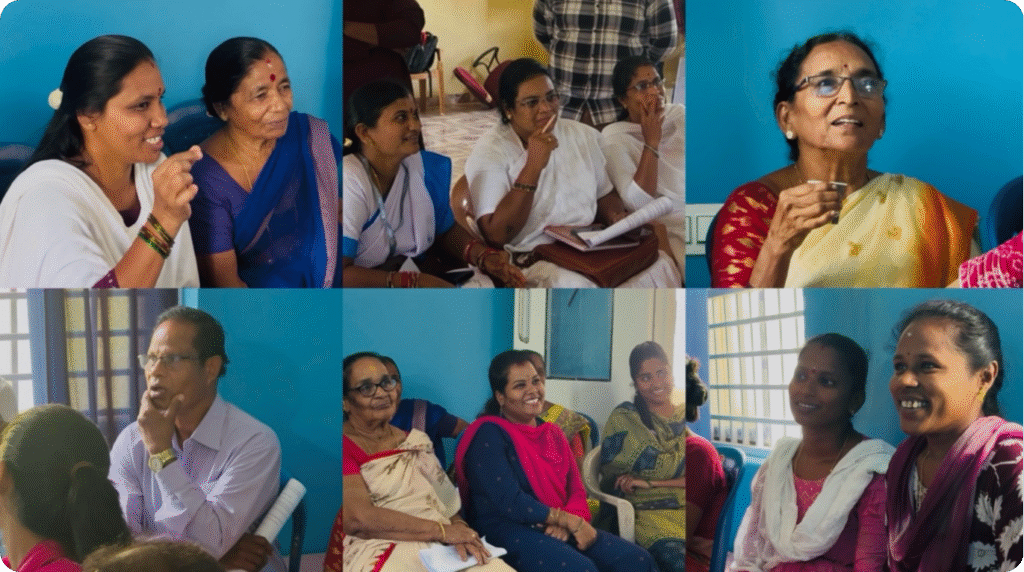
Images curated during workshops
These interactions are quiet, nurtured through small gestures like spending time together under a slowly rotating fan, exchanging sips of water, or listening without interruptions. They may not appear in research reports, but they are what make the research real.
A Team that feels like Family
Observing the NIHR GHRC team work during the workshop revealed how warmth and collaboration underpin good research. There was an easy rhythm between the researchers, field coordinators, and local health workers, with each aware of the other’s role.
A Primary Health Care (PHC) nurse helped arrange chairs without being asked. A field coordinator checked if participants were comfortable, while another translated updates about the project’s progress into Telugu effortlessly. Between discussions, there was laughter shared over cups of tea. Little moments that made the day feel more like a community gathering than a formal meeting. The health workers were not just implementers of a project; they were partners who understood the community’s rhythms and concerns. Their insights guided how heat warnings were communicated and how care should be delivered to NCD patients during hot spells.
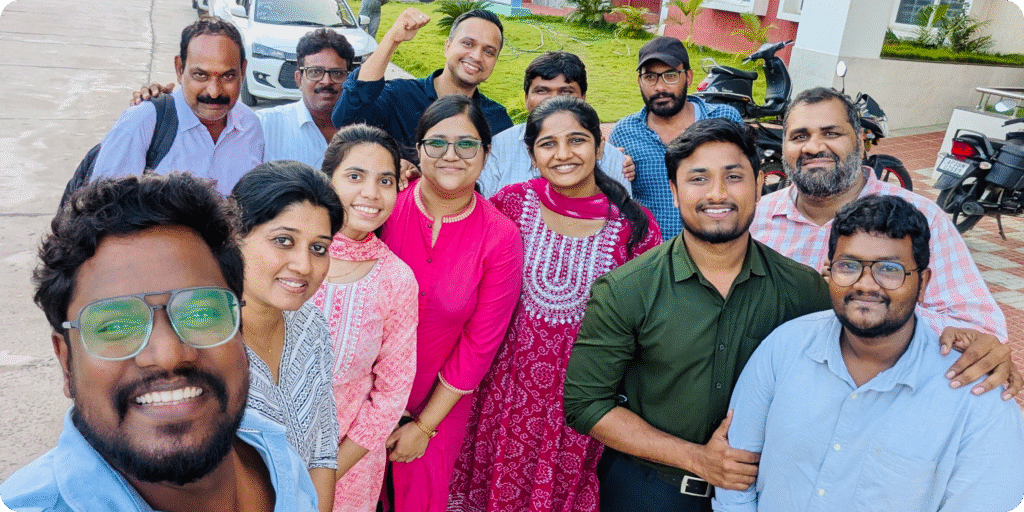
That spirit of mutual respect between researchers and health workers, between the local and the academic, created an unspoken sense of teamwork. It reminded me that collaboration is not just coordination; it is a relationship in action.
The NIHR GHRC team
Beyond Data, Listening as Learning
Research often values precision and speed along with collecting, analysing, and reporting. But in the field, meaning often emerges in the pauses, the unspoken gestures, and the unhurried conversations. When a woman spoke about her mother’s blood pressure rising every May, or when an ASHA worker described walking in the sun to check on diabetic patients, data turned into stories. And through those stories came understanding.
Listening. Truly listening is perhaps the most powerful research method of all. It demands empathy, patience, and openness to what you don’t expect to hear. In Palasa, the community was not just providing information; they were teaching us how resilience takes shape and how people adapt, endure, and care for one another even as the mercury climbs.
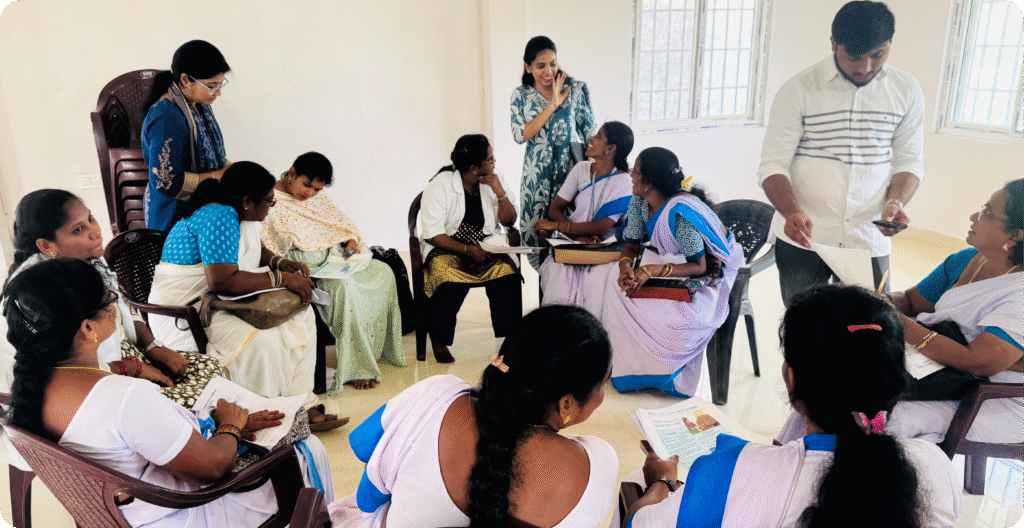
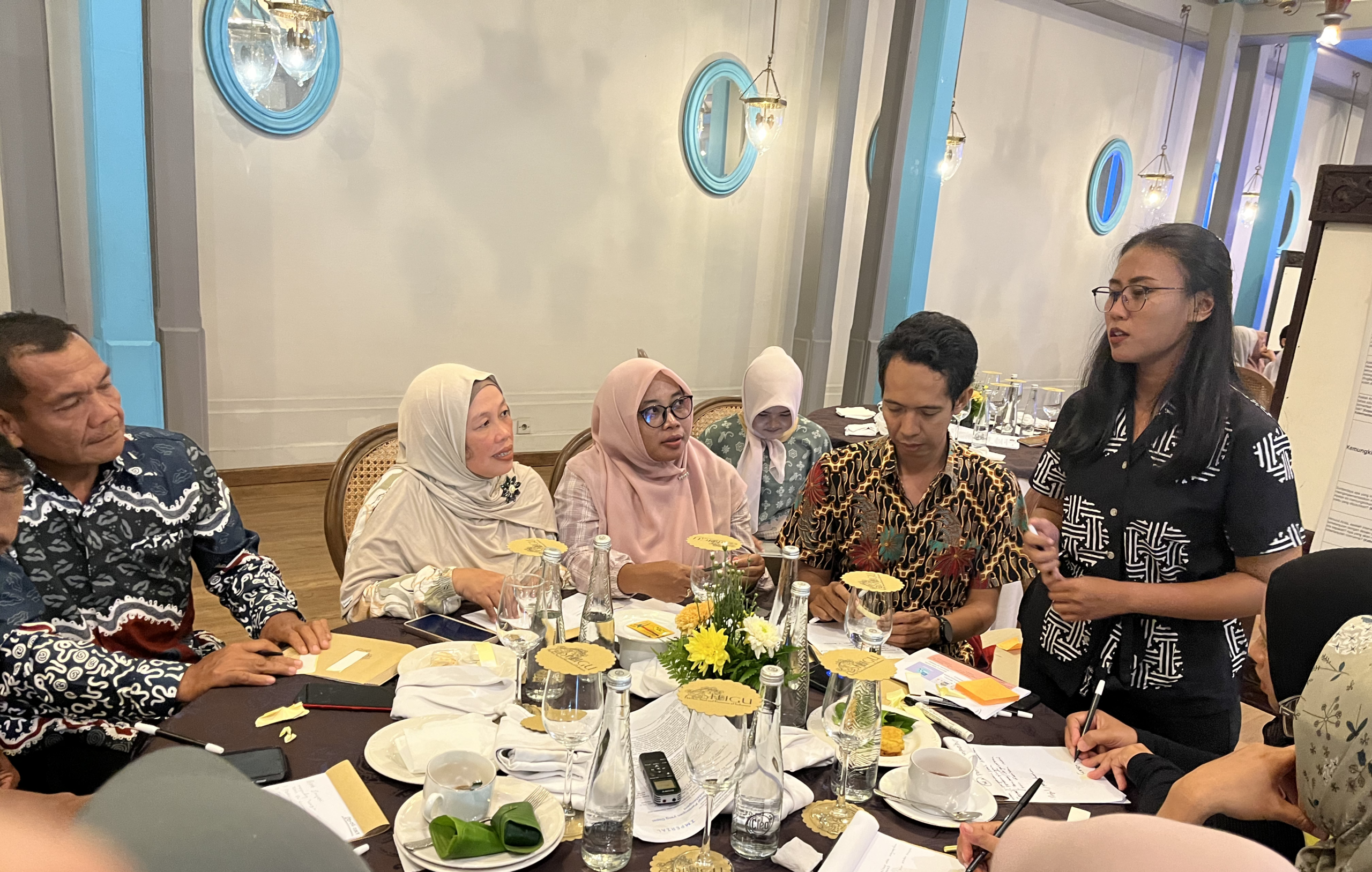
Image curated during a workshop
The Human Thread in Research
As the sun dipped behind the palm trees that evening, we lingered at the Primary Health Care centre, exchanging goodbyes and promises to return. The faces we waved farewell to no longer felt like participants. They felt like collaborators in something shared and hopeful.
It became clear that the heart of the SMARThealth CLIMATE project lies not only in technology or early warning systems but in these human connections between the research team and the community, between health workers and patients, and among colleagues working towards a common goal.
Science gives research its structure, but relationships give it life. They let data breathe, messages travel, and change become a part of the community’s way of life. In Palasa, under the relentless heat, I learned that relationships are not the backdrop to research; they are the research.
——————————————————
This blog was authored by Dr. Karuppanan Ayyappan Venkatachalapathy Nekaa Nithya Sre
About the author:
Dr. Karuppanan Ayyappan Venkatachalapathy Nekaa Nithya Sre- Nekaa is a Student Intern at the George Institute for Global Health and is a medical doctor with a diploma in Medical Law and Ethics. Currently pursuing a dual Masters in Global Health and Health Leadership and Management at the University of New South Wales, Sydney, she is committed towards advancing integrated healthcare systems by strategically bridging clinical practice, research, and administrative operations to ensure that these domains inform and reinforce one another to promote equity, efficiency, and resilience.
This research was funded by the NIHR (Global Health Research Centre for Non-communicable Diseases and Environmental Change) using UK international development funding from the UK Government to support global health research. The views expressed in this publication are those of the author(s) and not necessarily those of the NIHR or the UK government.