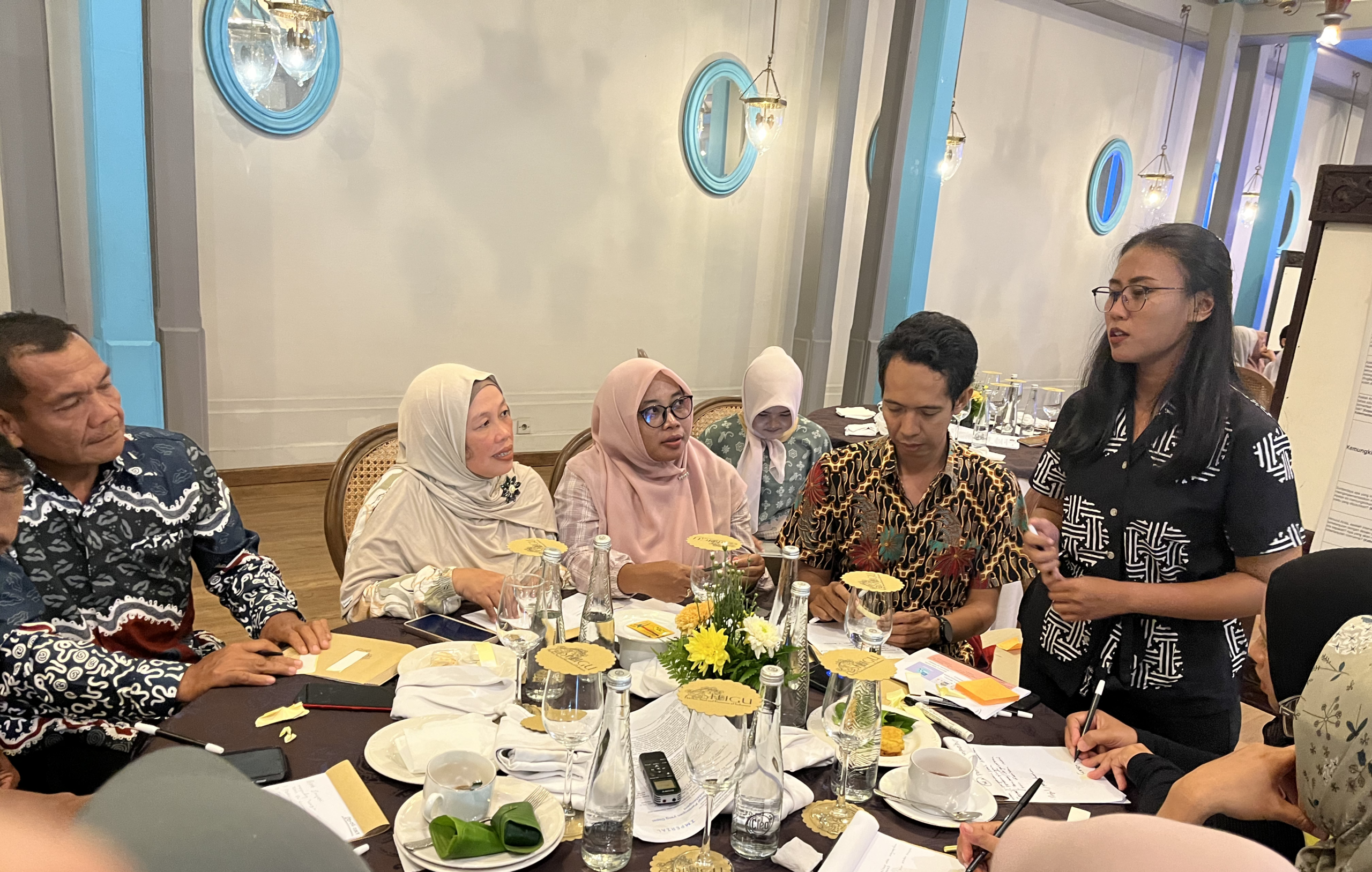
Flexible working culture is often celebrated as a progressive step towards better work–life balance. But does it truly benefit us – or does it simply blur the boundaries between work and rest? In academia, flexibility can quietly transform into constant availability. There are no fixed hours, no clear endpoint to the day. Weekends become extensions of weekdays and rest feels undeserved. Even when no one demands it, there is an internalized pressure to keep working – to read one more paper, revise one more paragraph, answer one more call.
As a PhD student, this becomes even more complex. We are positioned in a space where setting boundaries feels difficult, almost risky. Without seniority or control over timelines, it can feel impossible to say, “This is enough for today.” The result is not necessarily better performance, but longer hours. I began to wonder: does overworking truly enhance the quality of research, or does it simply increase the quantity of time spent while diminishing clarity and creativity? When productivity is measured by endurance rather than insight, the cost is often mental health and emotional stability. And slowly, without realizing it, flexibility can turn into fatigue – and fatigue into burnout.
When Fieldwork Feels Alive but Deadlines Loom
During my PhD – a journey I am still navigating – I have found myself living between two powerful forces: the joy of meaningful fieldwork and the relentless expectation to produce publications. Academia measures progress in papers, reports, and milestones. Yet in the field, time moved differently. My curiosity felt alive.
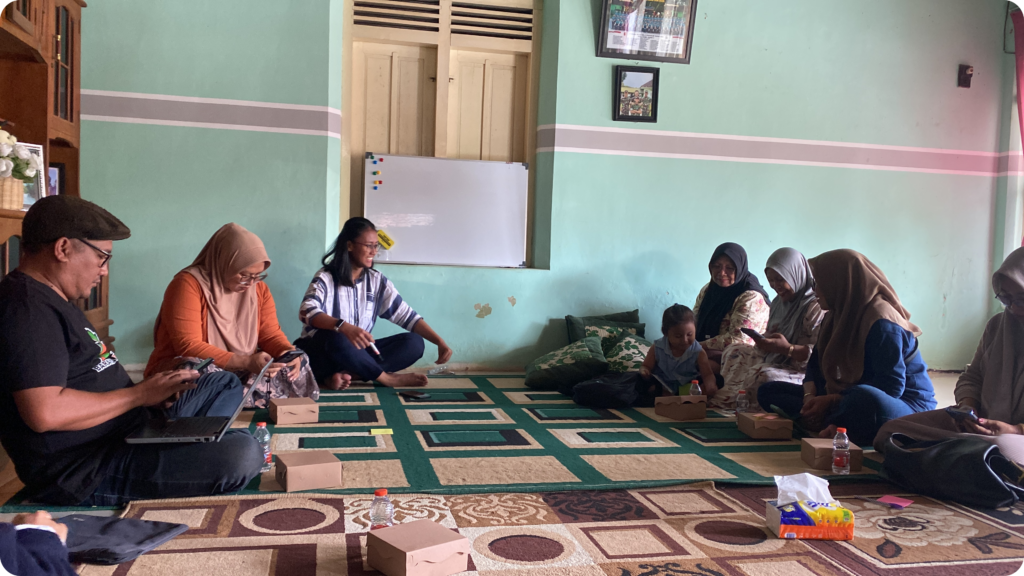
Even with fewer hours of controlled experiments, working directly with communities became a real-world laboratory – a space where theory met context, and learning became tangible. Engaging with people, witnessing their growth, and seeing empowerment unfold before my eyes shaped me not only as a researcher but as a person. It was, without exaggeration, some of the happiest and most fulfilling experiences of my life.
But this joy carried a quiet tension. While fieldwork energized me, writing demanded solitude, discipline, and mental space. Weekdays slipped away with meetings, travel, and field activities, leaving little room to sit and think. I often found myself pushing writing into the margins of my life – late at night or on weekends – and even then, some weekends fieldwork takes precedence. Over time, I began to notice a subtle shift: instead of asking whether my ideas were deepening, I was asking how much longer I could keep working. Rest became something to negotiate rather than a necessity. The imbalance did not collapse me overnight, but it quietly drained my focus, softened my enthusiasm, and unsettled my emotional steadiness. What once felt like freedom gradually carried the weight of constant demand, blurring the line between dedication and depletion.
Fieldwork reduced the stress of writing, yet it also left little room to think critically, analyze deeply, and translate experience into rigorous academic output. I started questioning myself: is this passion fully aligned with my PhD responsibilities, or has it quietly become a safe escape from the anxiety of publishing and finishing on time? Enjoyment in research is a privilege – but without balance, even meaningful work can unintentionally distance us from the goals we are striving to achieve.
Learning to Draw the Line: Reclaiming Boundaries in a Flexible Academic World
The tension I carried between fieldwork and writing began to shift when I received the NIHR SPARC award. This became more than an academic opportunity; it was a turning point in my personal and professional growth. During my placement at The George Institute for Global Health (TGI) in Australia, I was exposed not only to a different research environment but to a different way of living as a researcher. Seeing how systems function on the other side of the world reshaped my perspective. It expanded my network, strengthened my research capacity, and deepened my understanding of global health work. But beyond academic development, it transformed how I understood myself.
Under the supervision of Dr. Laura Downey, I was forced to confront a truth I had long avoided: flexibility itself was never the burden – my difficulty in setting boundaries was. I had been blaming the system, the workload, even the broader culture of academia, without realizing that much of the pressure came from within. I struggled to prioritize, to assess what truly mattered, and to say no without guilt. In a flexible environment, no one demanded that I work late nights or weekends – yet I imposed those expectations on myself.
For the first time, I began to question the narrative I had internalized: that being a rigorous researcher and PhD student meant always being available, always saying yes, always stretching myself thinner. As someone still in the early stages of my academic journey, surrounded by senior researchers of global renown and expertise, I often felt small. I mistook busyness for value and assumed that constant activity was synonymous for progress. Over time, I began to see that the real challenge was not the structure around me, but my hesitation to claim agency within it – to decide what deserved my energy and what did not.
Dr. Downey gently but consistently challenged this mindset. Almost every week, she reminded me not to work on weekends. At first, it felt unfamiliar – even irresponsible. Closing my laptop on a Friday afternoon created anxiety rather than relief. My mind would race with unfinished drafts and unanswered calls and messages. Rest felt like neglect. But she helped me see that boundaries are not barriers to productivity; they are foundations for sustainability.
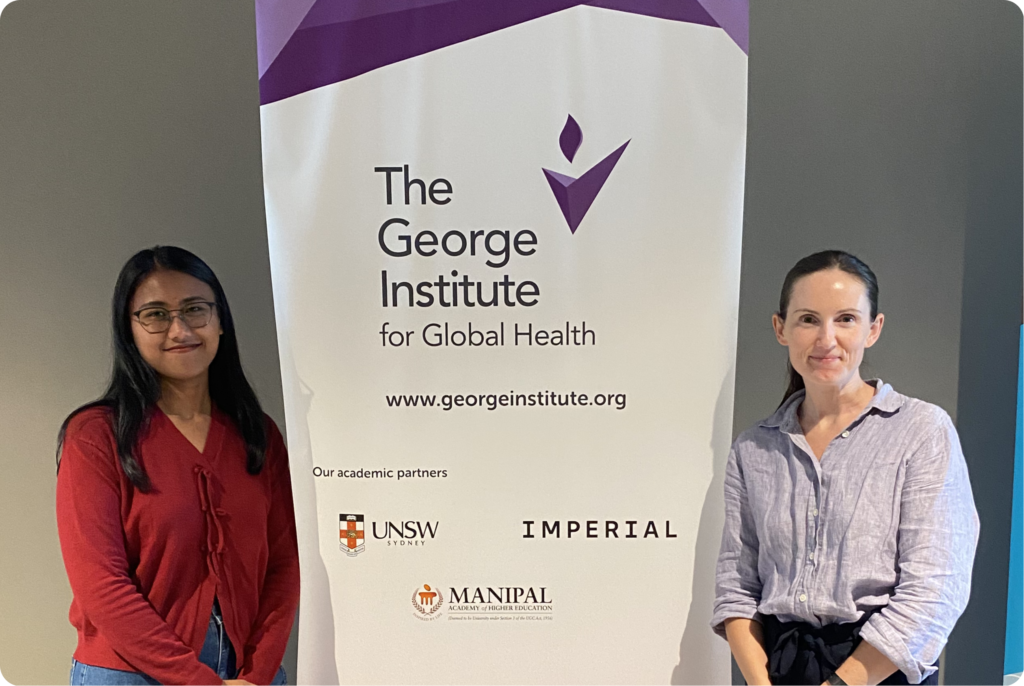
From left to right: Sekar Aqila Salsabilla, Dr. Laura Downey
Her supervision went far beyond simply telling me to slow down. She helped me disentangle urgency from importance. Together, we broke down overwhelming projects into clear priorities, mapped realistic timelines, and structured my weeks with intention rather than reaction. She taught me how to allocate protected blocks of time for deep work – especially for writing – and insisted that reflection was not a luxury but an essential part of scholarship.
This guidance resonated with advice I had received years earlier from Professor Sujarwoto, “Do what you love to do, and do it with all of your heart.”
It made me realize the importance of setting priorities and investing my energy intentionally, rather than spreading myself too thin. And then came another moment of awakening during a guest lecture held by UNSW Health System Research at UNSW by Professor Adam Elshaug. A sentence stayed with me:
“It is okay to say no; sometimes by saying no, you open space for others, and it is better to decline than to commit without giving your full capacity.” That idea struck deeply. I realized I had been saying yes to everything yet rarely giving anything my full 100%.
As distractions began pulling me in multiple directions, I started learning how to protect my focus more deliberately. I became more intentional about declining nonessential meetings, deferring requests that did not align with my immediate priorities, and communicating boundaries more clearly. Gradually, I stopped equating constant availability with dedication. Instead, I began to understand that disciplined focus – not bustling hyperactivity – is what produces meaningful work.
Choosing to step back was not easy. It required confronting my fear of falling behind. It required trusting that rest would not sublimate my ambition. But gradually, as I allowed myself weekends to breathe, explore, and simply exist beyond my PhD identity, something shifted. I returned on Mondays clearer, calmer, and unexpectedly more efficient. Tasks that had remained untouched for more than six months were completed within two. I completed my tasks in a remarkably short time – not through sleepless nights, but through intentional, prioritized work.
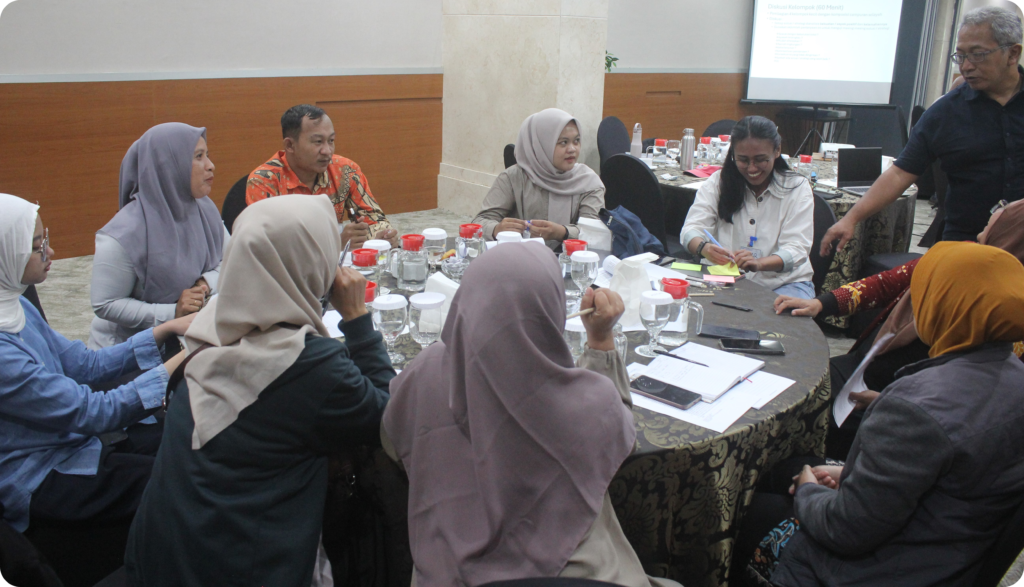
This shift did not happen overnight. It required practice, discomfort, and a willingness to sit with the anxiety of unfinished tasks. But over time, I developed a clearer sense of what deserved my attention and what could wait. My workflow became less reactive and more structured. More importantly, my understanding of academic commitment matured: it was no longer about doing everything, but about doing the right things well.
For a long time, I had believed exhaustion was evidence of dedication. But exhaustion had only limited me to half of my potential. When I began protecting my energy and setting boundaries with intention, I finally experienced what it meant to work at full capacity. What changed was not the number of hours I worked – it was the clarity, courage, and compassion I brought to them.
The impact of my NIHR SPARC placement extends beyond personal growth. It reshaped how I think about research environments and what healthy academic culture can look like. Capacity building, I realized, is not only about technical expertise or expanding networks. It is also about cultivating systems that enable researchers to think deeply, work sustainably, and contribute meaningfully.
Now that I am back in Indonesia and continuing my PhD journey, I feel an even stronger sense of responsibility to translate these lessons into practice. I want to contribute to research environments where boundaries are respected, where saying no is understood as strategic focus rather than a lack of commitment, and where early-career researchers feel supported rather than stretched. Even in small ways – through collaboration or structuring projects thoughtfully – I believe positive change can begin and be sustained. I hope to create environments where productivity is measured not by exhaustion, but by impact and clarity.
The NIHR SPARC experience did not simply change how I organize my work. It transformed how I define growth. Growth, I now believe, is not constant expansion or relentless acceleration. It is disciplined alignment – aligning effort with purpose, ambition with sustainability, and passion with responsibility. And that, perhaps, is the most meaningful and sustainable contribution I can bring into my work here at home.
——————————————————————–
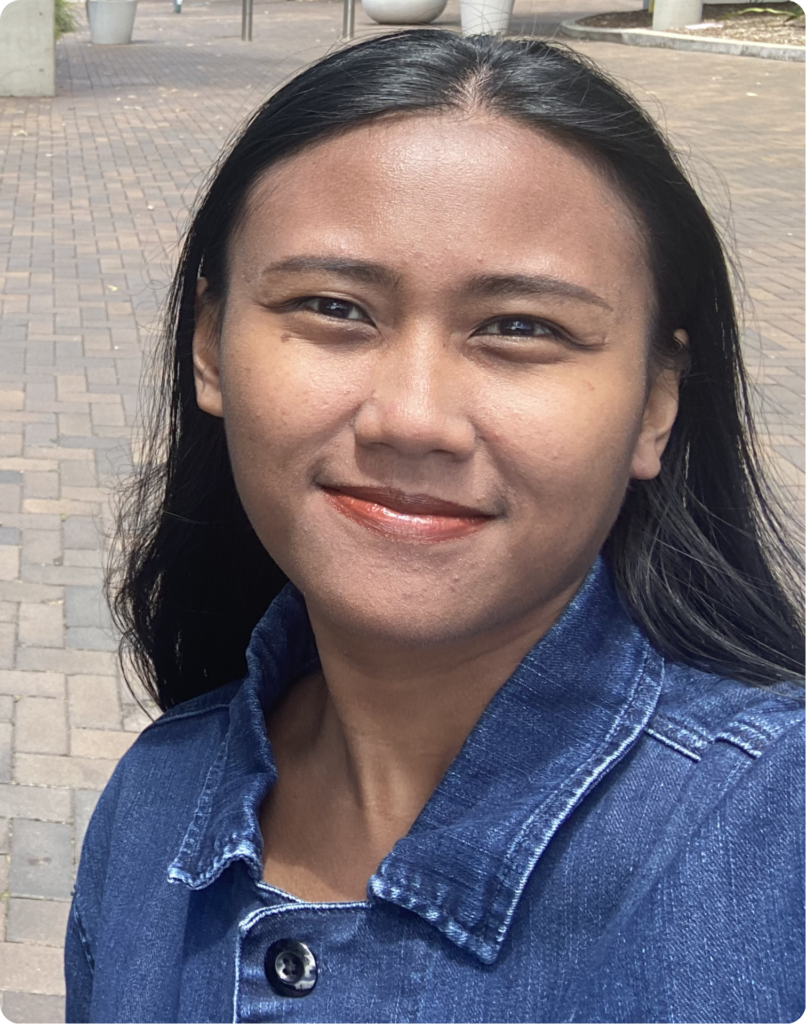
This blog has been written by Sekar Aqila Salsabilla.
About the author:
Sekar Aqila Salsabilla- Sekar is a PhD student in public policy specializing in collaborative governance and participatory policy design. She has earned her Master’s degree from Brawijaya University, Indonesia and her research focuses on co-designing multisectoral interventions for plastic waste management, fostering cross-sector collaboration to advance inclusive, sustainable, and evidence-based environmental solutions.
This research was funded by the NIHR (Global Health Research Centre for Non-communicable Diseases and Environmental Change) using UK international development funding from the UK Government to support global health research. The views expressed in this publication are those of the author(s) and not necessarily those of the NIHR or the UK government.