

Strengthening systems, building capacity, and improving lives through digital health innovation and workforce strategies
The NIHR Global Health Research Centre for Non-communicable Diseases and Environmental Change aims to engage policy makers, health workers, patients and communities to support and strengthen health care systems. The centre’s approach integrates innovative digital platforms, capacity building and community engagement to address the dual challenge of non-communicable diseases (NCDs) and environmental change.
Background:
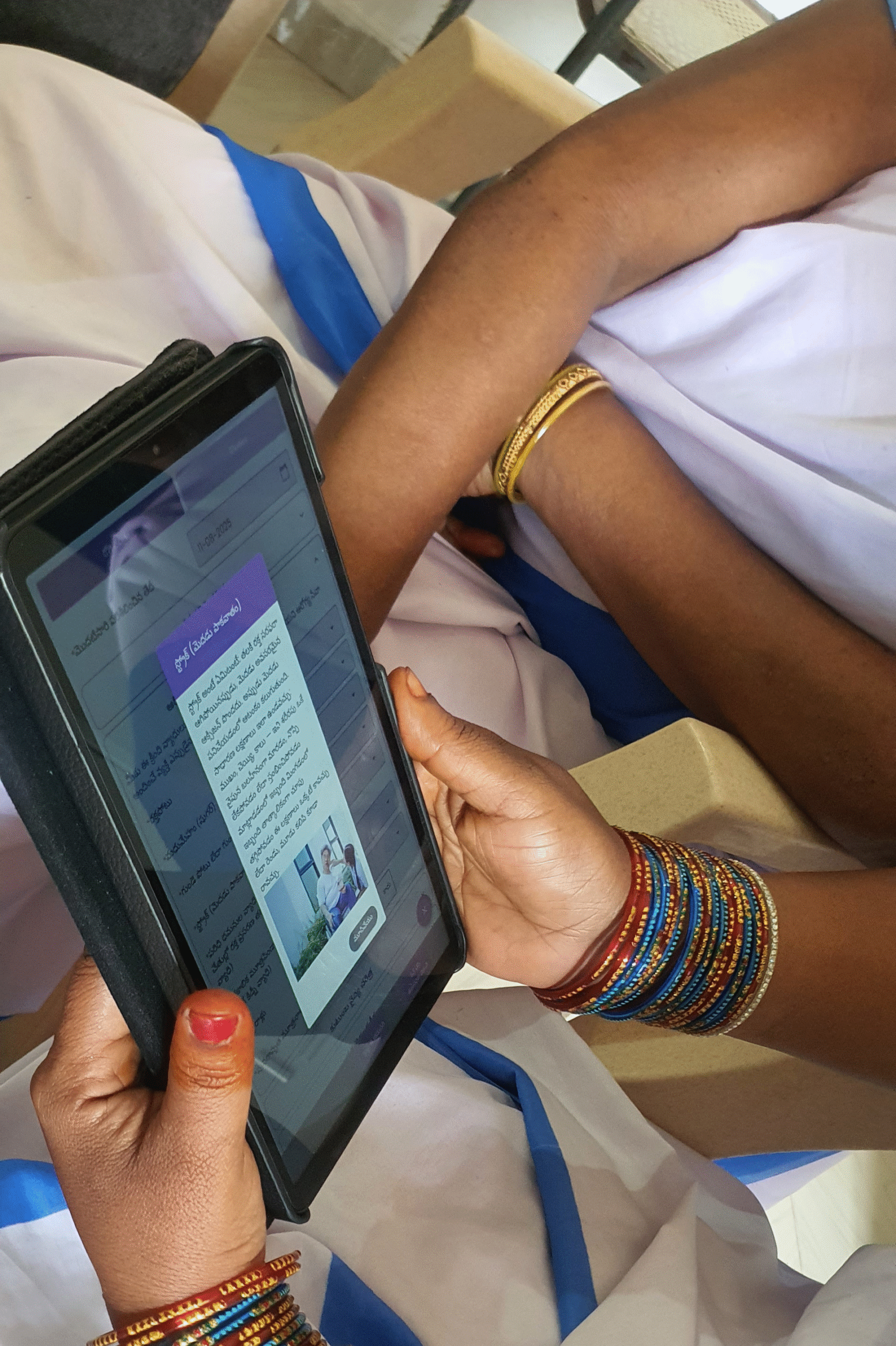
Since 2010, The George Institute for Global Health has developed an implementation science program to improve NCD prevention and management in primary health care, especially in rural communities. It is enabled by the flagship program SMARThealth – a mobile enabled digital health platform for the Systematic Medical Appraisal, Referral and Treatment of common health conditions. It has been designed to empower frontline health workers and doctors to deliver high-quality, last-mile care to underserved communities.
Method:
The Global Health Research Centre’s strategy follows the MRC framework for complex interventions, combining digital innovation, workforce strengthening, and co-designing, and is structured into three work packages.
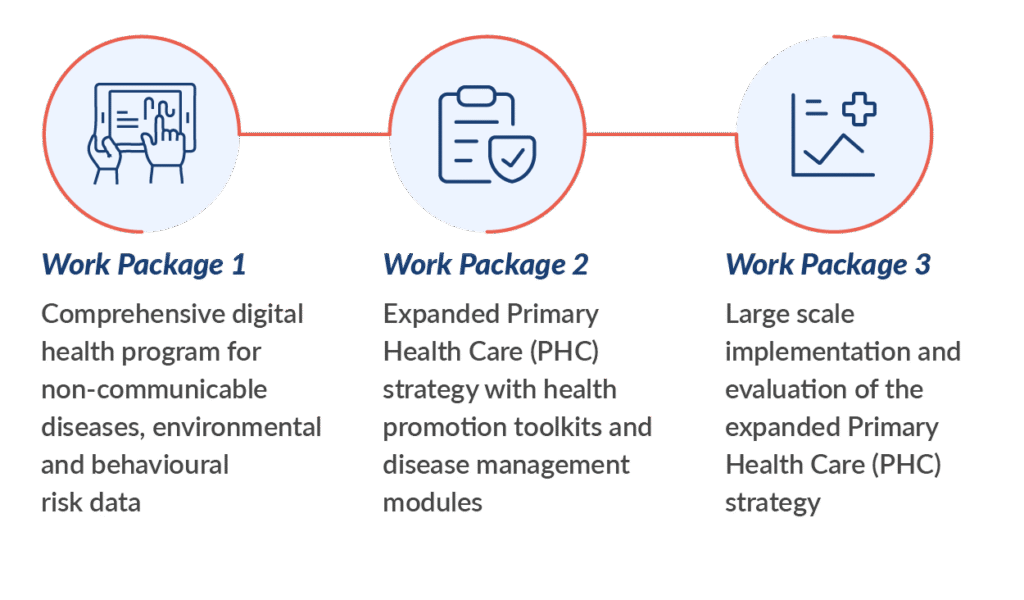
As part of the NIHR GHRC strategy, SMARThealth will be upgraded to capture Non-Communicable Diseases, behavioural, and environmental risk factors through:
a) Expanded Clinical Decision Support System for Multimorbidities (India & Indonesia): SMARThealth Clinical Decision Support System (CDSS) for diabetes, cardiovascular disease (CVD), chronic kidney disease (CKD), integrated with a heat- health risk assessment module in India. And, SMARThealth CDSS for CVD and chronic obstructive pulmonary disease (COPD), in Indonesia.
b) Early Warning System for Heat (India): Timely and actionable heat early warning messages and alerts for individuals, community health workers, and healthcare providers to effectively respond to periods of high heat, especially extreme weather events such as heat waves.
c) Heat – health dashboards (India): Near real-time monitoring based on weather trends and health status at primary health centers and district level.
d) Common Data Platform (India & Indonesia): Integrated system for environmental, behavioural, and clinical data to support timely decision-making and advocacy.

Our Team
Primary Health Care
- Devarsetty Praveen, Program Director, Better Care India, George Institute for Global Health
- Sridevi Gara, Technical Lead – SMARThealth, George Institute for Global Health
- Renu John, Research Fellow, George Institute for Global Health
- Pruthvi Raj, Research Fellow, George Institute for Global Health
- Tarun Chandra, Consultant Research Officer, George Institute for Global Health
- Akash Joshi, Consultant Research Officer, George Institute for Global Health
- Sri Lakshmi, Research Assistant, George Institute for Global Health
- Kiranmayee Vulimiri, Research Assistant, George Institute for Global Health
SMARThealth
Development Experts
- Shankar Kumar, Lead Developer – SMARThealth, George Institute for Global Health
- Nirosha Yeddalapudi, Mobile Developer, George Institute for Global Health
- Mahesh Godi, Mobile Developer, George Institute for Global Health
- Ramya Sirisha Kandarpa, QA Engineer, George Institute for Global Health
- External Development Partner
Clinical Expert
- Dr. Tripura Batchu, Clinical Expert, George Institute for Global Health
Infrastructural Experts
- Mahesh Gandla, Lead IT Service Delivery, George Institute for Global Health
- John Wastell, Director, Global IT, George Institute for Global Health
Research Experts
- Renu John, Research Fellow, George Institute for Global Health
Highlights
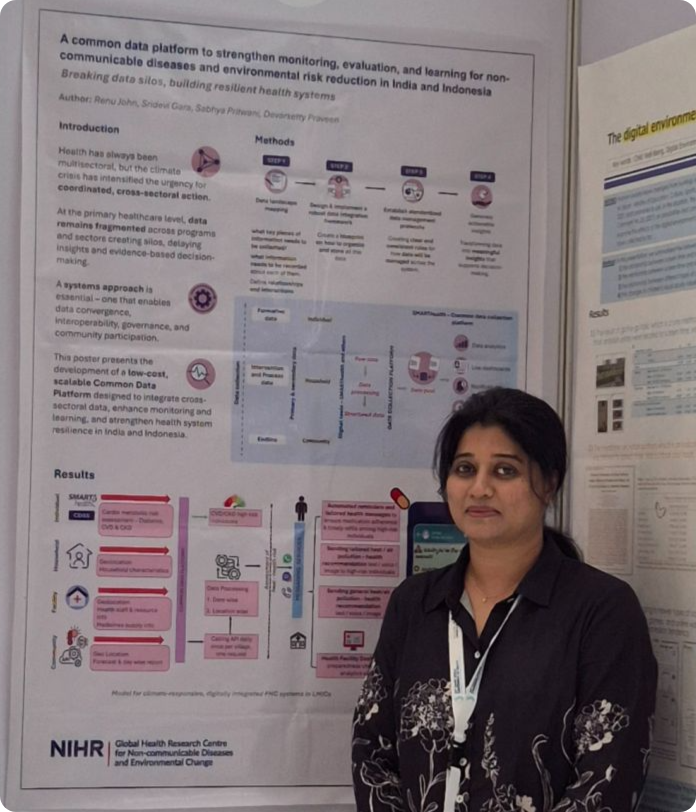
Poster presentation by Renu John during the 25th International Union for Health Promotion and Education (IUHPE) world conference on how a shared data platform can enhance monitoring, assessment, and instruction to address non-communicable diseases and environmental hazards in India and Indonesia
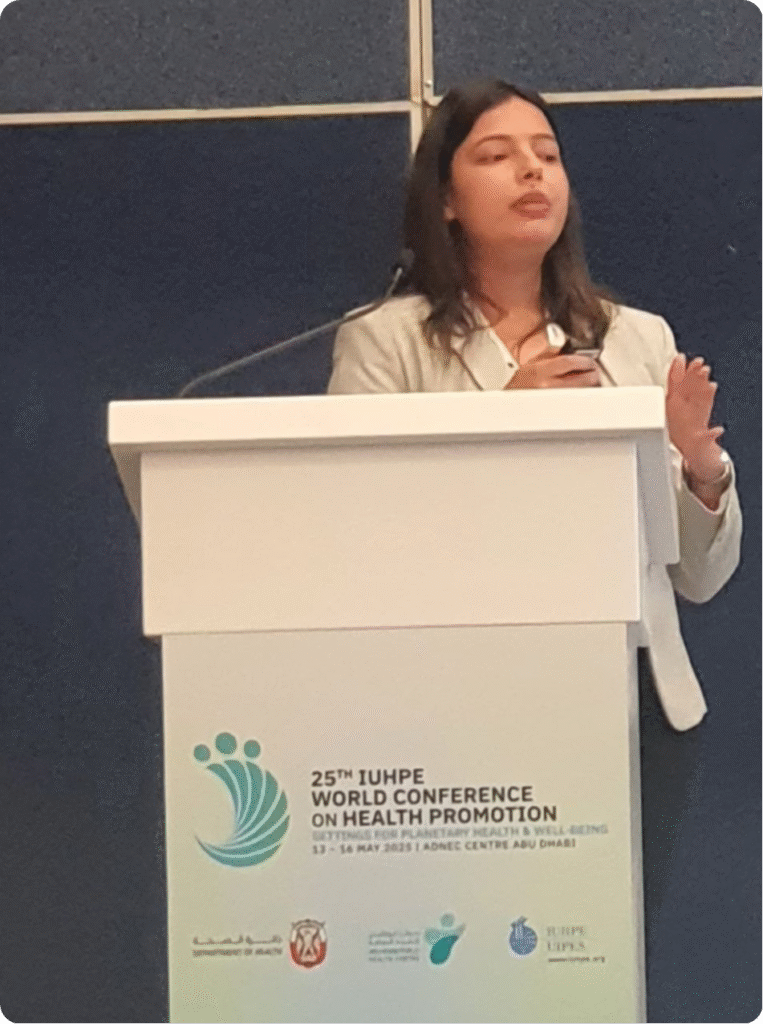
Presentation by Sabhya Pritwani during the 25th International Union for Health Promotion and Education (IUHPE) world conference on assessing primary health care readiness for extreme weather events in India highlighting the significance of analyzing and deriving insights from a mixed-methods approach and the importance of developing digital interventions to help combat the effects of environmental change.
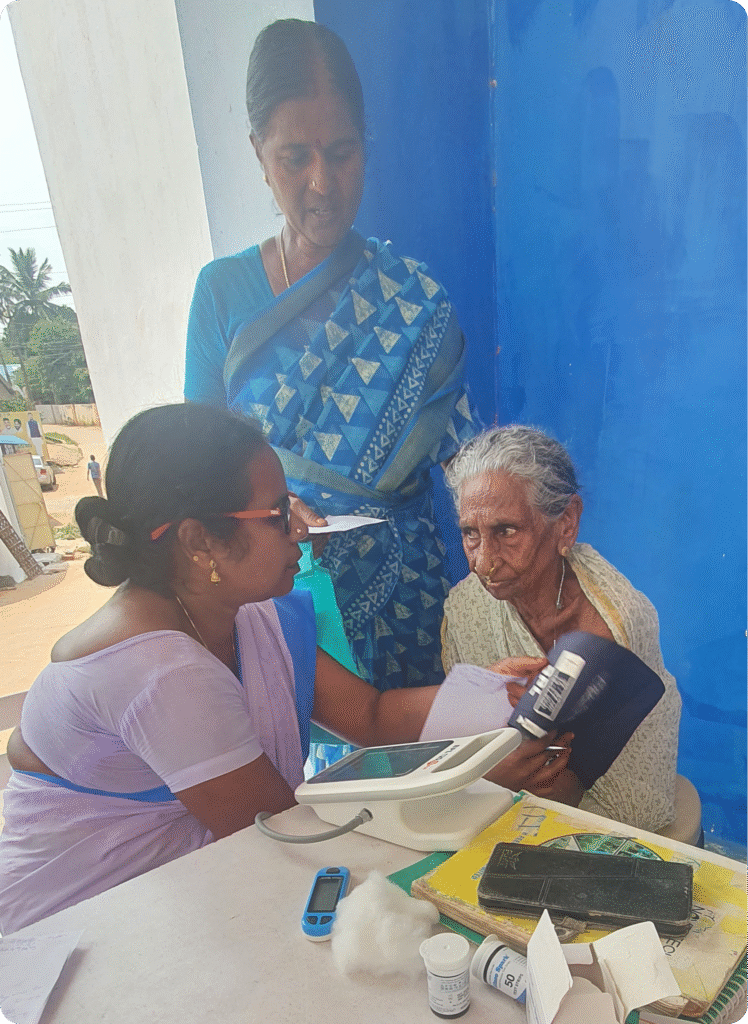
Renu John’s emotive account of the resilience, tenacity, and self-less determination embodied by primary healthcare workers as they navigate the different challenges of providing aid to underserved communities. Read the full blog here…
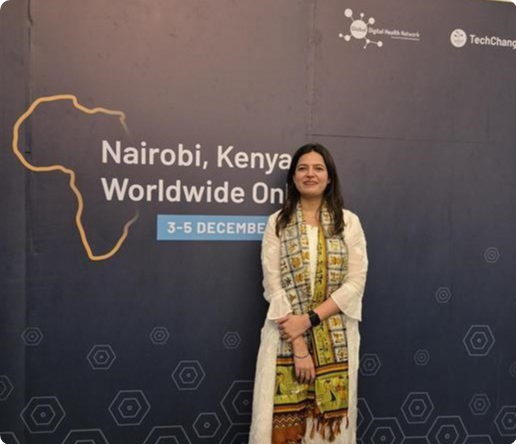
Sabhya Pritwani joined an illustrious group of global researchers, a cohort of 60 women from across the world at the Global Women Leaders in Digital Health (GLOW) Workshop, part of the Global Digital Health Forum GDHF 2025 in Nairobi, Kenya.
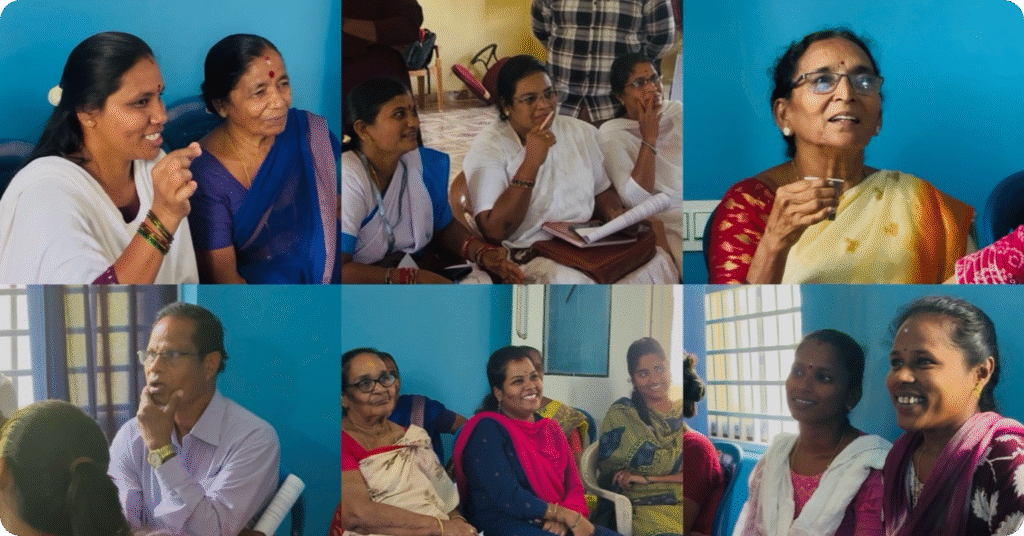
Nekaa Nithya Sre Karuppanan Ayyappan Venkatachalapathy emphasizes the essential role of fostering meaningful relationships as the foundation of sustainable research through vivid reflections from stakeholder workshops held in Palasa, Srikakulam, Andhra Pradesh.
Read the full blog here…
Akhil Gurram skillfully highlights the poignant resilience and profound wisdom that communities experiencing extreme heat contribute to primary healthcare research. Showcasing the invaluable insights, practical knowledge, and quiet strength that both the communities and healthcare workers bring to global health research.
Read the full blog here…
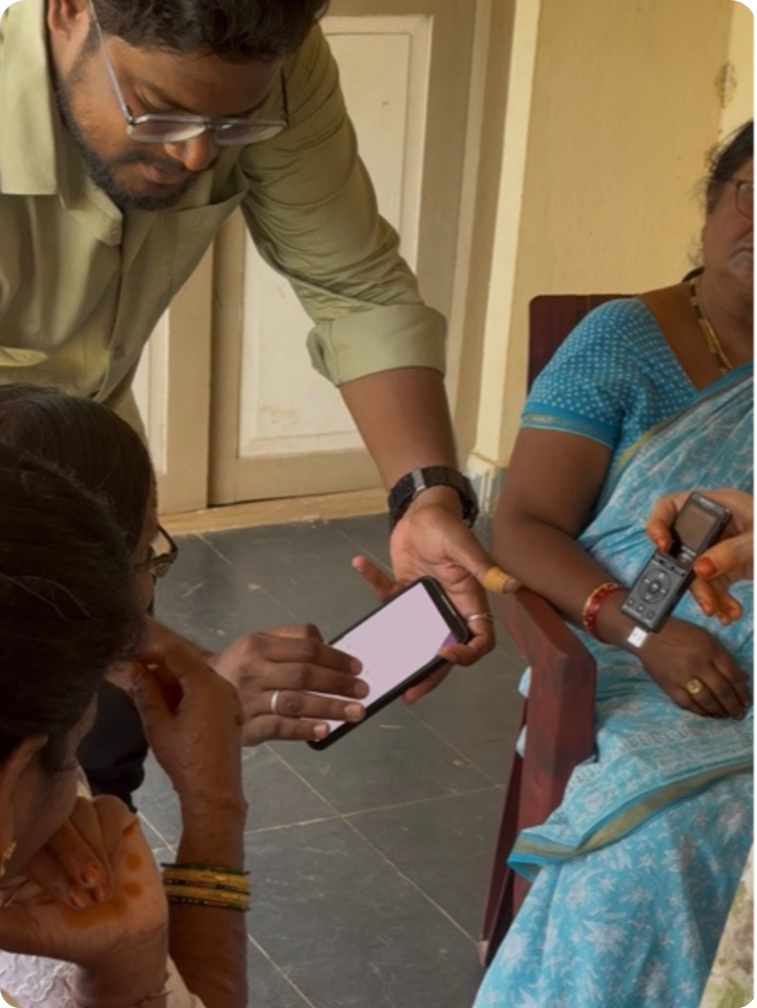
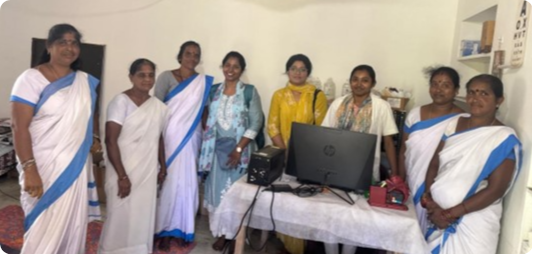
Sridevi Gara higlights the significant impact of digital innovation on promoting equitable community health through vivid illustrations of rural life and the resilience of ASHA workers, emphasizing her dedication to advancing health equity and primary health care research.
Read the full blog here…
Sridevi Gara chronicles her transformative shift from traditional technology roles to the deeply purpose-driven world of health research at the George Institute for Global Health.
Read in full here…
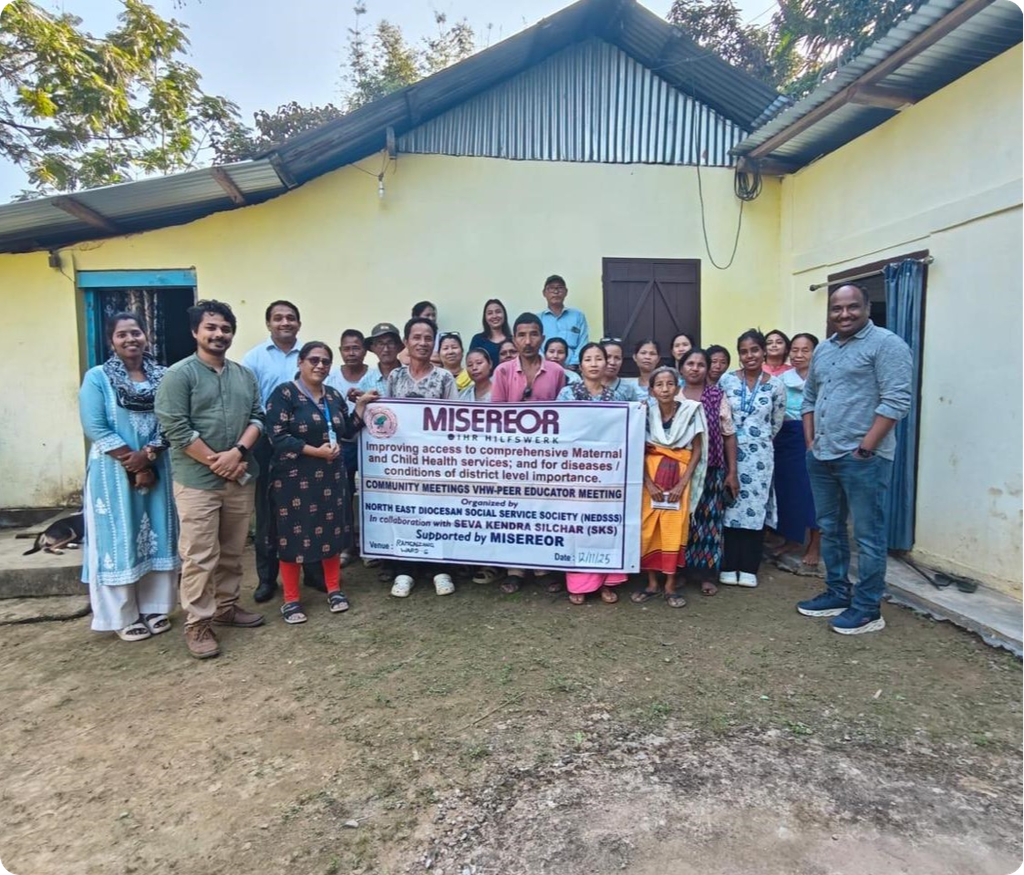

Prayukta Sinha underlines the vital need to critically examine Universal Health Covergae (UHC) and its effectiveness in addressing climate change related health impacts. Sinha advocates for essential reforms to transform UHC into a climate resilient system that prioritizes prevention and equitable care.
Know more here…