

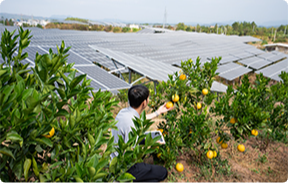
Pathways to a healthy net-zero future: Report of the Lancet Pathfinder Commission
Authors: Sarah Whitmee,
Prof Rosemary Green, Kristine Belesova, et al.
Highlighting the urgent need for significant reductions in greenhouse gas emissions to limit global temperature rise to 1.5°C and to meet the Paris Climate Agreement goals, this comprehensive review evaluates 200 mitigation actions across various sectors and their potential health co-benefits, such as reduced air pollution and healthier diets. Findings reveal substantial health improvements, particularly from clean cookstoves and dietary changes, which can also aid in achieving climate targets.
Effects of environmental change on health and the critical need for sex- and gender-disaggregated data
Authors: Sanne A. E. Peters, Laura Downey, Christopher Millett, et al.
The perspective highlights the multifaceted consequences of environmental change, from altered disease patterns and health crises to food insecurity and increased vulnerability for marginalized groups. And advocates for improved data collection and inclusive discourse around environmental change and health, aiming to inform equitable policies that address the diverse experiences and needs of all individuals in the context of environmental challenges.
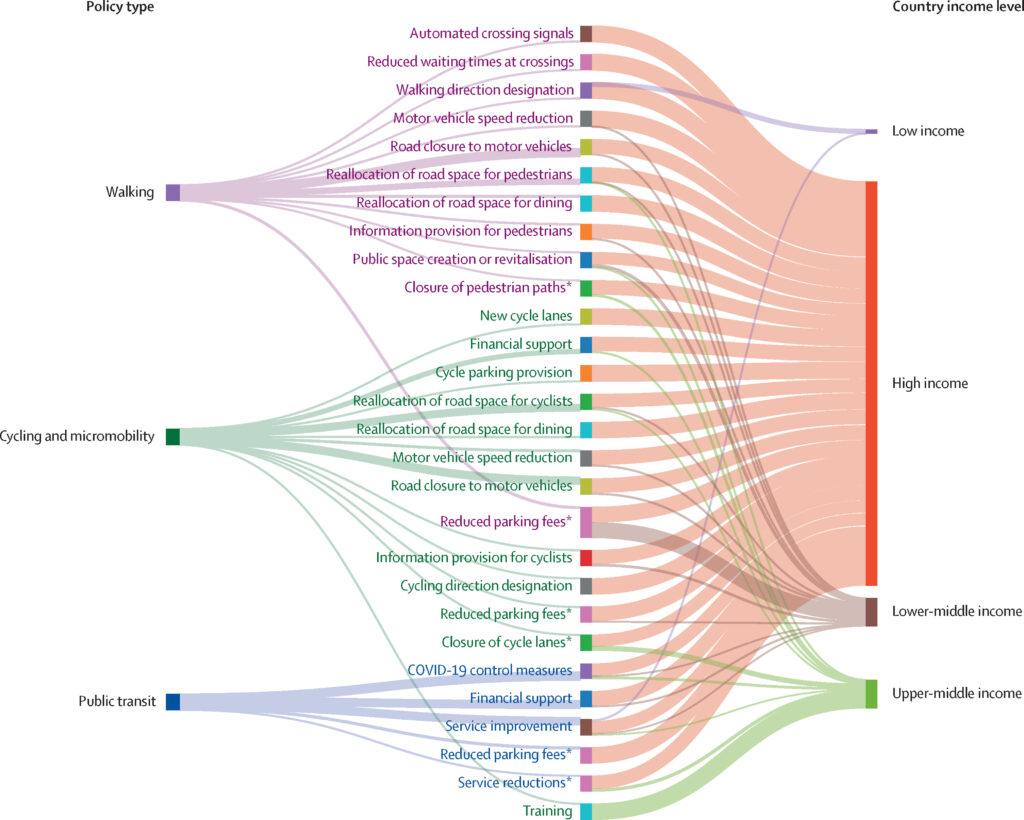
City mobility patterns during the COVID-19 pandemic: Analysis of a global natural experiment
Authors: Ruth F Hunter, Selin Akaraci, Christopher Millett, et al.
Analysing city-level mobility patterns worldwide during the COVID-19 pandemic as a natural experiment to assess how policy responses shaped movement behaviors, the study highlights income-related disparities: infrastructure and policy priorities to promote safe walking, cycling, and easy access to public transit are crucial for future-proofing cities, especially in low- and middle-income countries.
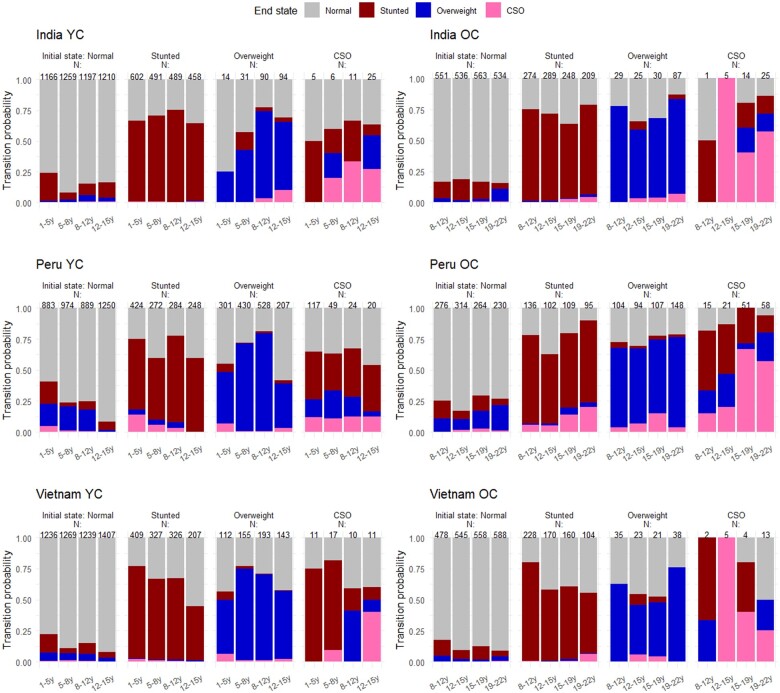
Longitudinal transitions of the double burden of overweight and stunting from childhood to early adulthood in India, Peru, and Vietnam
Authors: Nora A Escher, Suparna Ghosh-Jerath, Christopher Millett, et al.
Investigating how children and adolescents transition between normal nutritional status, stunting, overweight, and concurrent stunting and overweight (CSO), and how these trajectories relate to sociodemographic factors the study emphasizes that childhood and adolescence are critical periods for prevention and reversal of malnutrition and argues that context-specific interventions are essential to prevent divergent transitions toward the double burden across socioeconomic groups.
Recognizing the Power of Multiple Perspectives in Advancing Collaborative Research for Health
Authors: Laura E Downey, Devaki Nambiar,
Goran Tomson
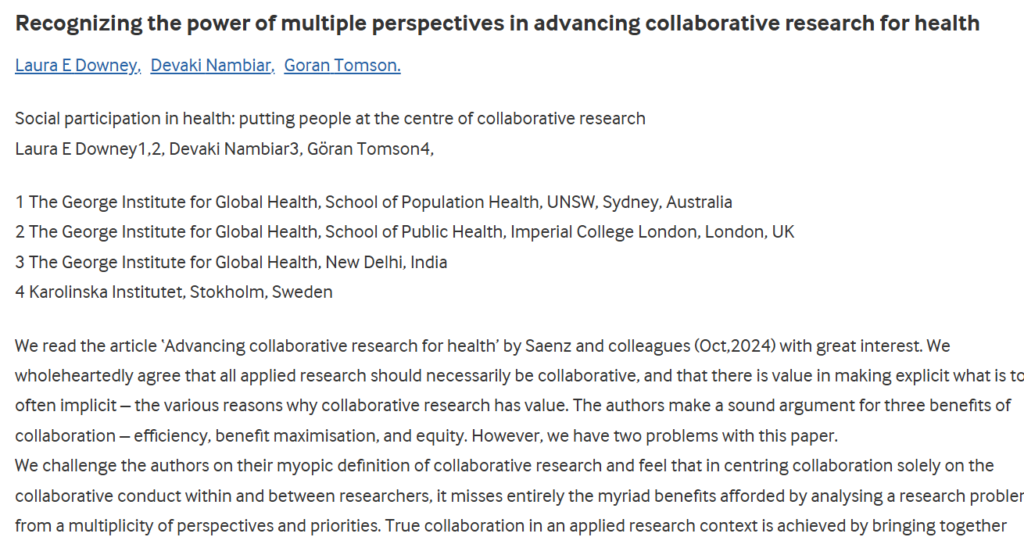
Analyzing collaboration through the lens of conduct among researchers and institutions, with attention to how stakeholders (researchers, funders, institutions) can better connect to strengthen evidence generation and uptake. The authors argue that true collaboration in applied health research must involve a multiplicity of perspectives and priorities, including government and health system decision-makers, managers, funders, NGOs, and especially communities and people affected by health issues. Community engagement and involvement should be non-negotiable, because it delivers efficiency, benefit maximisation, and equity in ways that conduct-centrism alone cannot achieve.
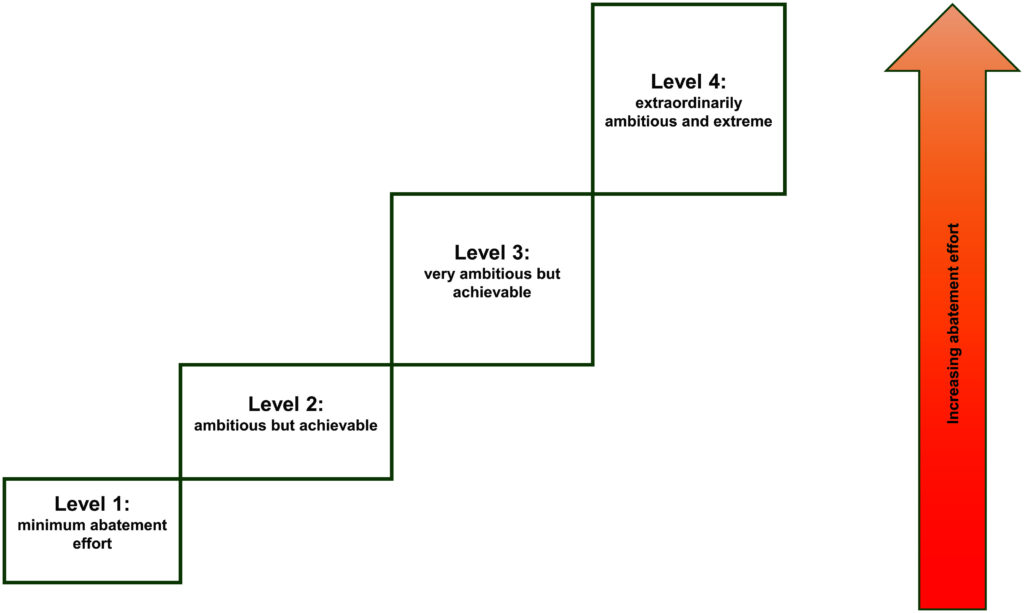
Integration of Multiple Climate Change Mitigation Actions and Health Co-Benefits: A Framework Using the Global Calculator
Authors: Paolo Vineis, Kristine Belesova, Christopher Millett, et al.
The study leverages the Global Calculator, an open-source model of energy, land, and food systems, to project the health co-benefits of climate-mitigation strategies. Simulations indicate that, after accounting for demographic change, switching from fossil fuels to renewables and adjusting agriculture, forestry, land use, and food production are key sectors for climate mitigation.
Power to the people: Towards greater social participation in planetary health
Authors: Laura E Downey, Haryani Saptaningas, Maroof Khan, et al.
Climate-related threats to wellbeing are unevenly distributed, with marginalised communities bearing the brunt. Highlighting the value of experiential knowledge from affected communities, this article reports on an online roundtable featuring 35 participants (community leaders, health and environmental advocates, academics, and political champions) from across the Asia-Pacific exploring how community participation can advance planetary health initiatives.
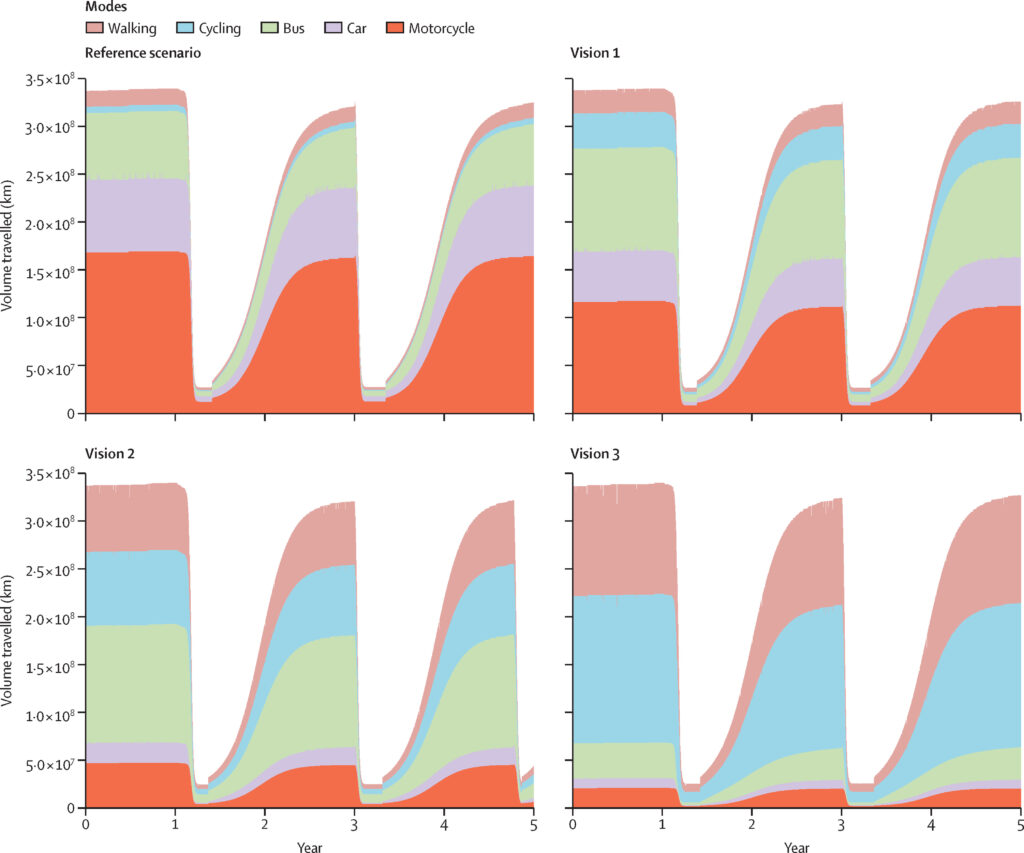
Future-proofing cities against negative city mobility and public health impacts of impending natural hazards: A system dynamics modelling study
Authors: Leandro Garcia, Mehdi Hafezi, Christopher Millett, et al.
Addressing the increasing risk of large-scale natural hazards and infectious disease outbreaks (IDOs), this study examines how cities’ transport systems and resulting mobility patterns influence resilience to these threats. It highlights the vulnerability of urban populations and the knowledge gap around optimal transport design to mitigate mobility disruption and associated health impacts during IDOs and climate-related extreme weather events (EWEs).
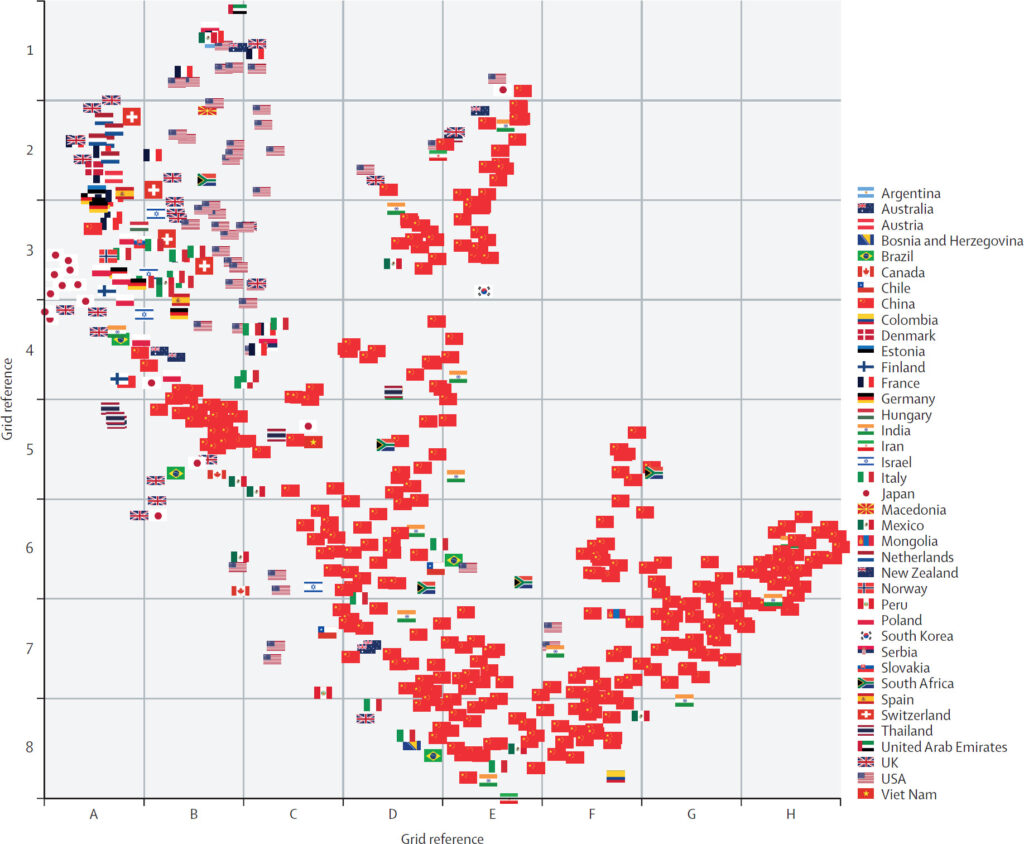
Effects of city design on transport mode choice and exposure to health risks during and after a crisis: A retrospective observational analysis
Authors: Kerry A Nice, Jason Thompson, Christopher Millett, et al.
The COVID-19 pandemic initially reduced transport-related air pollution and health risks. However, in the recovery phase, cities favoring private vehicles over public transport experienced reversed benefits. This study examines the link between city designs, transport modes, and population risk exposure in 2020.
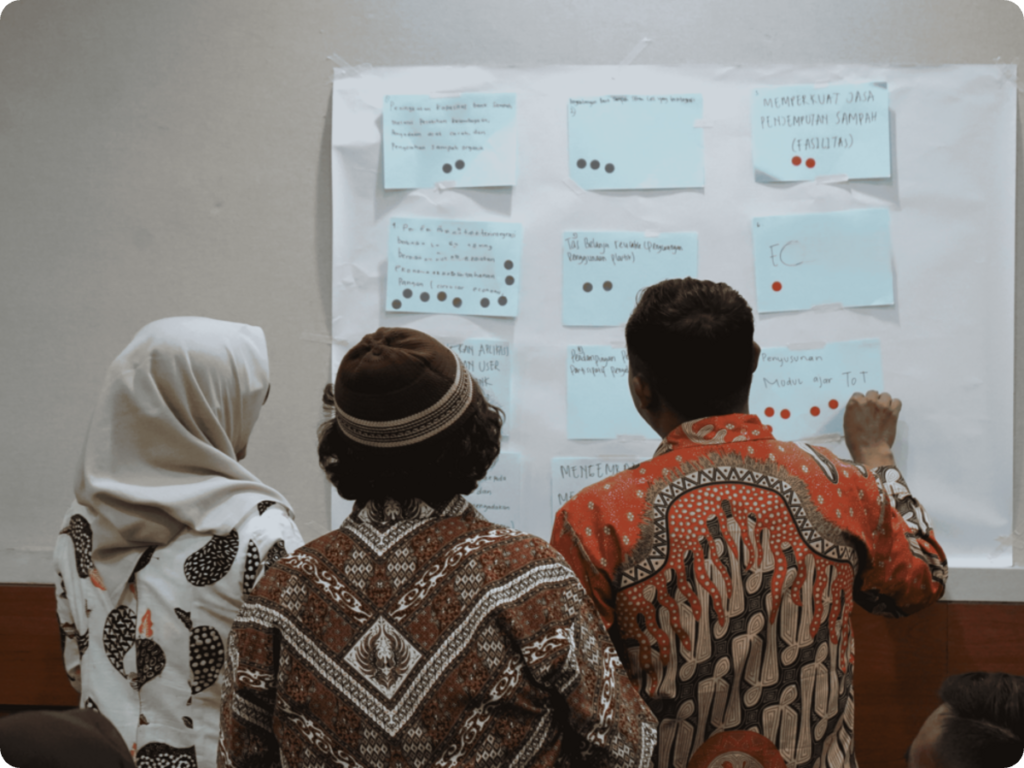
Co-creation of Integrated Interventions Addressing Noncommunicable Diseases and Environmental Degradation: Protocol for a Participatory Qualitative Study
Authors: Nushrat Khan, Paraskevi Seferidi, Kristine Belesova, et al.
The protocol outlines an integrated, participatory approach to co-create multisectoral interventions tailored to specific environmental and health challenges in Bangladesh, India, and Indonesia. Recognizing that this area of research is still emerging, the protocol addresses the complex, multidimensional, and unique nature of such interventions by developing a structured and scientifically sound approach to be implemented in real-life settings.
Coastal Water Salinity
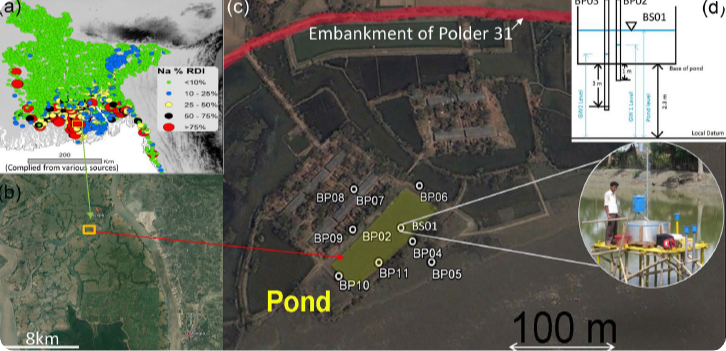
Salinisation of drinking water ponds and groundwater in coastal Bangladesh linked to tropical cyclones
Authors: ChiSan Tsai, Mohammad A. Hoque,
Paolo Vineis, et al.
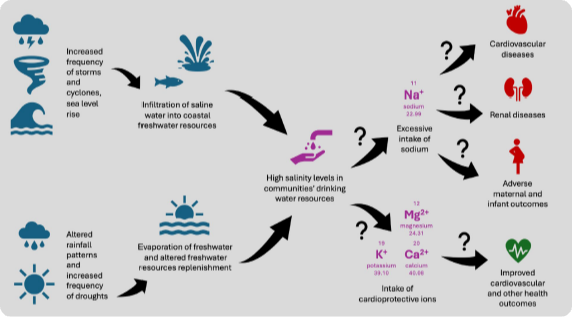
Investigating how tropical cyclone-induced storm surges contribute to long-term salinisation of surface water (drinking ponds) and groundwater in coastal Bangladesh. Documenting real-world salinity thresholds and breach dynamics of polder embankments, the study emphasizes the need for proactive adaptation and improved management of salinity in tropical deltas to mitigate adverse health outcomes such as hypertension, preeclampsia, cardiovascular disease, and infant mortality.
Adverse health outcomes associated with drinking highly saline water: A systematic review
Authors: Eurydice Costopoulos,
Airi Imamura, Nushrat Khan, et al.
This systematic review evaluates whether drinking water with high sodium concentrations (>200 mg Na/L) adversely affects health, focusing on cardiovascular, renal, and pregnancy-related outcomes. Following PRISMA guidelines and employing the ROBINS-E Cochrane tool and the Navigation Guide, researchers screened five bibliographic databases and identified 22 relevant studies, addressing multiple health domains.
Heat Exposure
Effectiveness of heat stress
interventions among outdoor
workers: A protocol paper
Authors: Sajeeth Kumar Sankar,
Rekha Shanmugam, Vijayalakshmi P, et al.
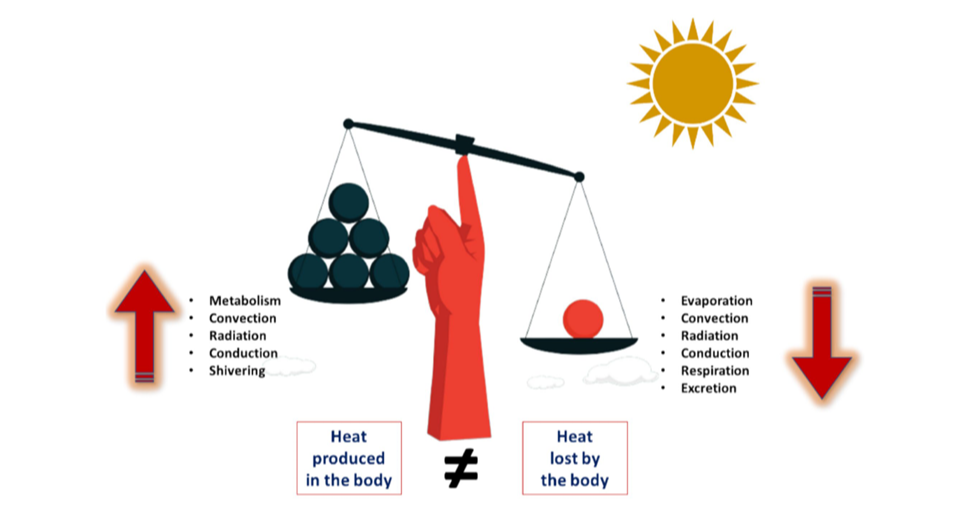
Examining whether the Water, Rest, Shade (WRS) intervention reduces heat-related strain among outdoor workers engaged in agriculture and brick kilns, the study demonstrates the effectiveness of the WRS intervention, offers practical strategies for reducing heat stress, assessment of health impacts and implementation quality, and informs the development of comprehensive workplace and labor policies.
Exploring eco-anxiety among
women amid climate-induced
heat: A comprehensive review
Authors: Gayathri K. G, Vijayalakshmi P, Krishnan S, et al.
This comprehensive review examines the relationship between eco-anxiety and gender, with a focus on women who may experience greater stress in the context of climate change. It synthesizes literature on psychological and emotional responses to heat-related climate stressors and critically appraises 21 articles using the PRISMA-ScR framework and calls clearer definitions of eco-anxiety as it relates to heat and targeted support systems to inform more inclusive climate resilience planning and gender-sensitive policy interventions.
Climate induced heat stress and its psychological effects among South Indian workers
Authors: Gayathri K. G, Vijayalakshmi P, Krishnan S, et al.
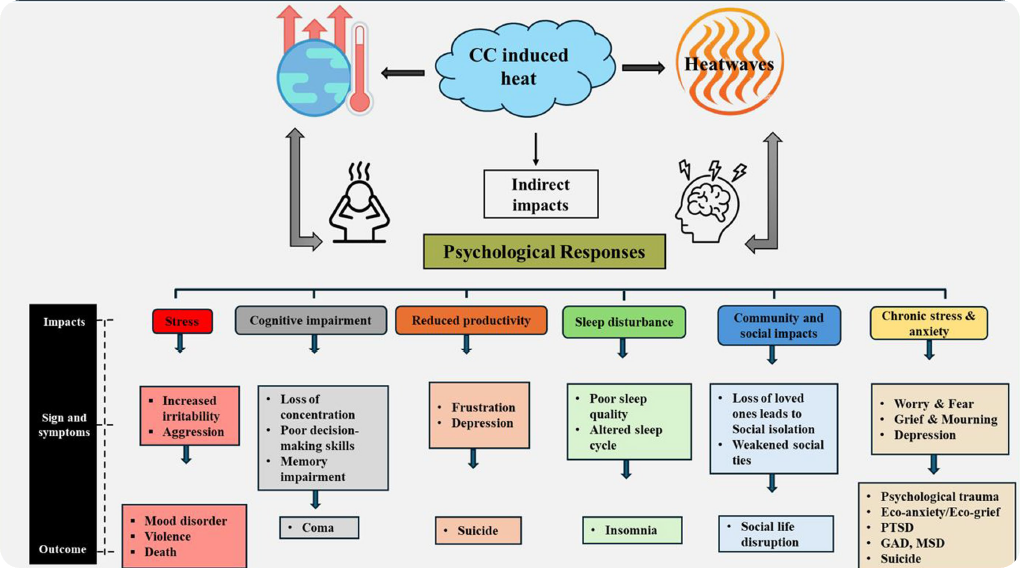
As temperatures rise and extreme weather events become more frequent, workers in low- and middle-income countries are increasingly facing heat stress and its related psychological impacts, including climate anxiety. This study explores the psychological consequences of heat exposure, the coping strategies employed by workers, and how these strategies relate to climate anxiety. Highlighting the importance of protective workplace policies in mitigating these climate-induced effects.
Impacts of heat on sleep quality among heat-exposed workers: A systematic review
Authors: Raja Maarthi, Vidhya Venugopal, D.C. Mathangi, et al.
Climate change is significantly intensifying occupational heat exposure, creating serious risks for heat-related illnesses and severely disrupting sleep, which is vital for recovery, safety, and overall productivity. Workers exposed to heat are especially vulnerable due to prolonged exposure, inadequate access to cooling solutions, and poor housing conditions. This systematic review examines the impact of occupational heat exposure on sleep quality among workers in diverse occupations and settings. Highlighting the urgent need of integrating evidence-based interventions in workplace policies to safeguard worker health.
Overcoming data collection challenges in rural settings by community engagement initiatives: Reflections from the research team
Authors: Raja Maarthi, P K Latha, Gayathri K G, et al.
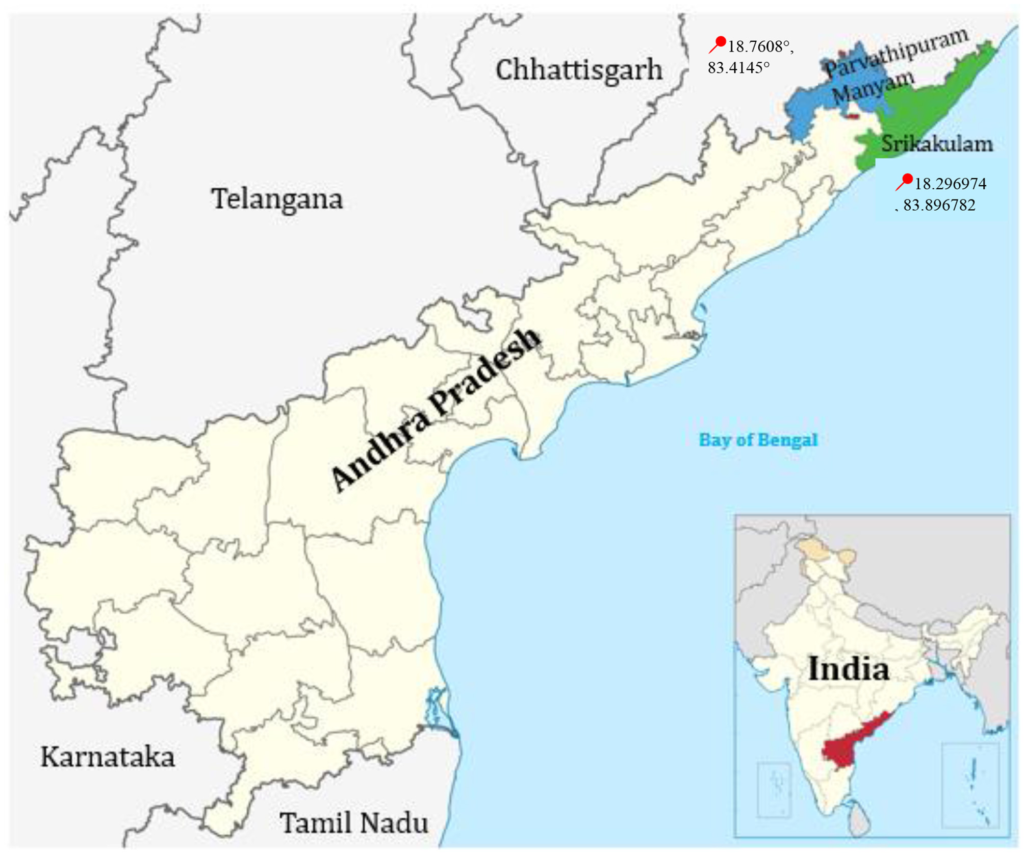
Examining how community engagement and involvement (CEI) strategies shape heat-health research in socio-culturally diverse rural communities in South India, the study highlights the role CEI approaches of continuous community-led participation, and culturally sensitive practices to improve participant retention, data quality, and sustainability towards addressing environmental health and heat exposure in rural settings. The study includes a situational assessment of the state Heat Action Plan (HAP) through desk reviews, key informant interviews, and HEAT-PROTECT–based evaluations at community, workplace, and primary health center (PHC) levels.