If you have ever managed a multi-country global health programme, you probably know this feeling:
You wake up thinking about budget forecasts, fall asleep wondering whether ethics approvals have moved forward, and spend most of your day replying to emails that begin with
“Just a quick follow-up…”
So when I travelled to Ghana for the NIHR Global Health Research Centres’ Symposium, I expected the usual ingredients of an international meeting: presentations, panel discussions, networking, coffee, more presentations, and someone inevitably saying, “Let’s wait for the slides to show up”.
What I did not expect was to leave reflecting on dance, trust, community partnerships, and the strange way global health collaborations often resemble group projects from school, except that the stakes are much higher, the spreadsheets larger, and there’s no summer vacation.
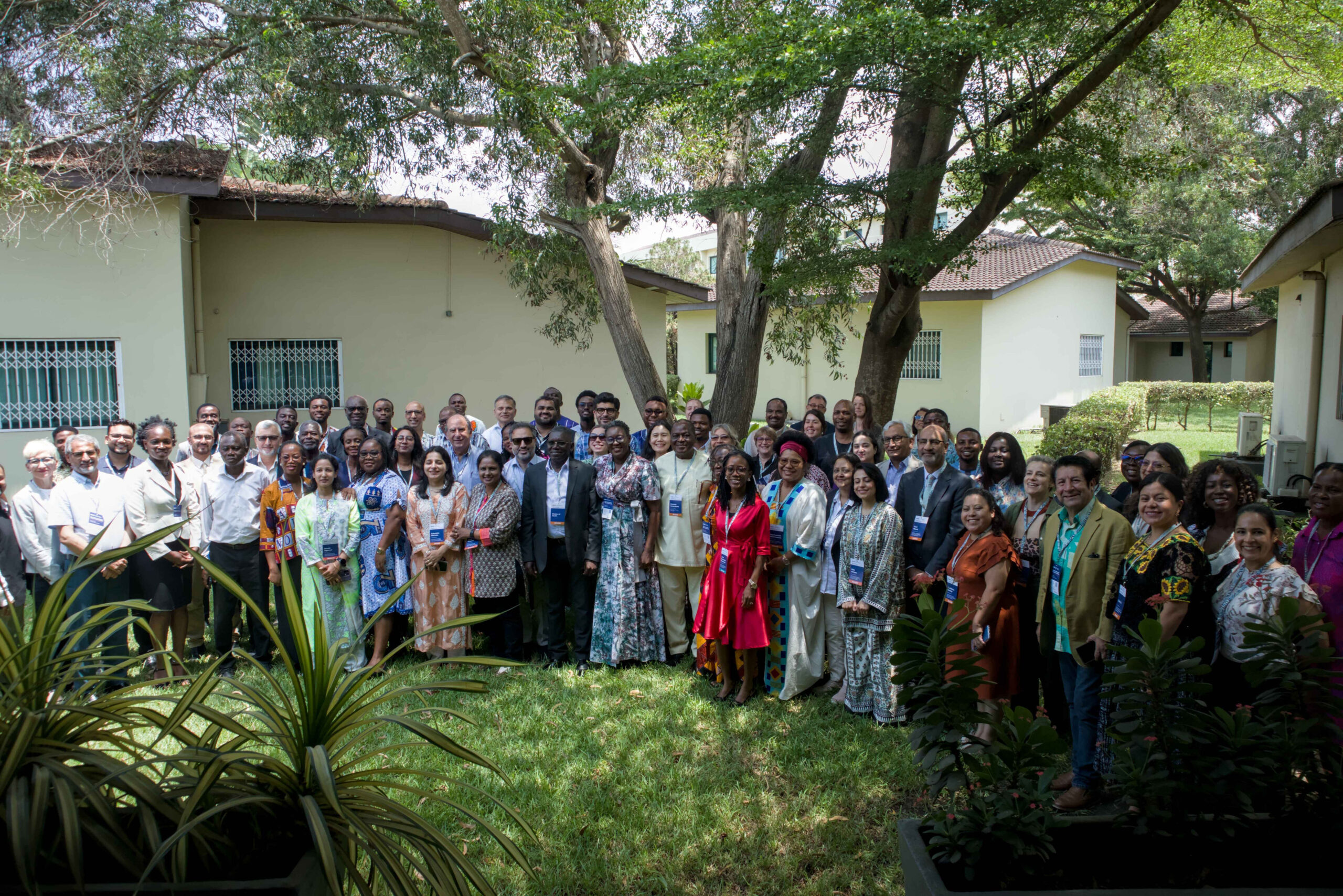
The symposium brought together teams from across the five NIHR Global Health Research Centres – researchers, programme managers, community engagement teams, implementation scientists, and early career researchers, across 10 time zones from Africa, Asia, Latin America, and the United Kingdom.
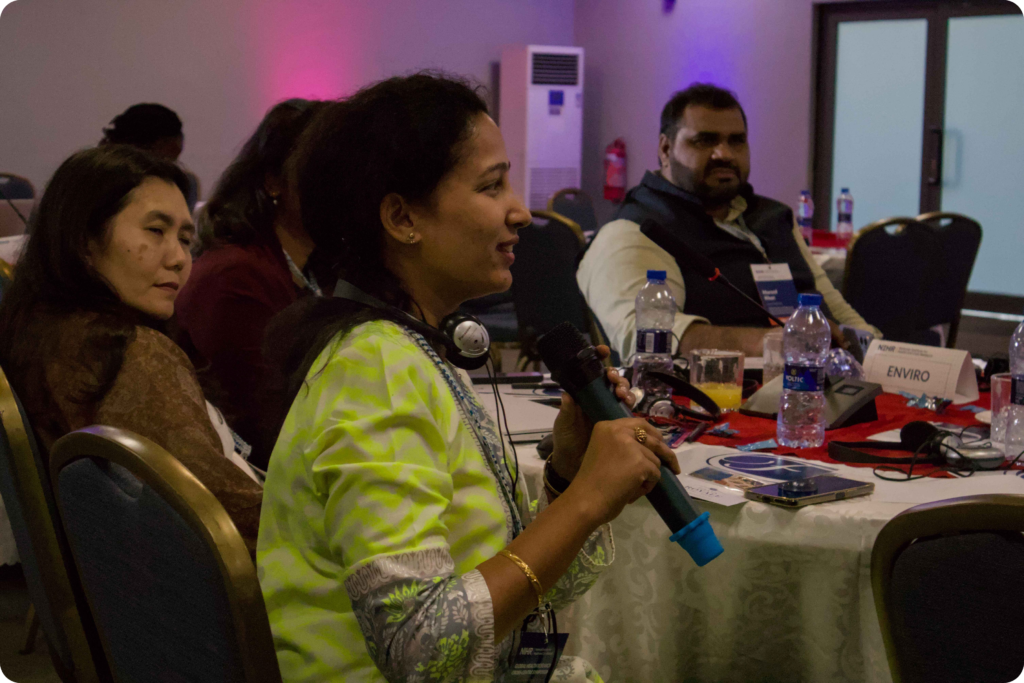
Participants shared experiences of navigating real-world challenges, adapting research strategies across contexts, and building trust with communities and policymakers alike. Interactive sessions encouraged participants to exchange operational insights, reflect on partnership-building experiences, and identify opportunities for future cross-country learning.
For early career researchers and research teams, the event offered valuable opportunities to present their posters on ongoing work, receive feedback from international experts, and engage in conversations on leadership, mentorship, and sustainable research careers.
Unlike most, this was not a conference where only polished successes were presented. People spoke openly about delays in ethics approvals, challenges in sustaining partnerships, staff turnover, navigating procurement systems across countries, balancing funder expectations with local realities, and the emotional labour involved in community-centred research.
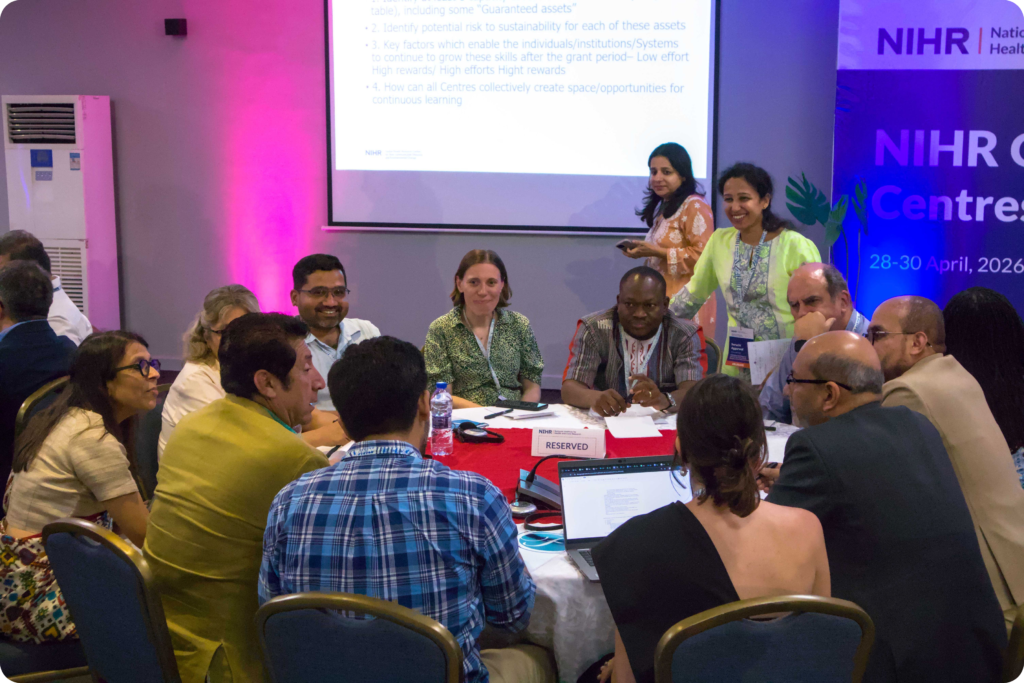
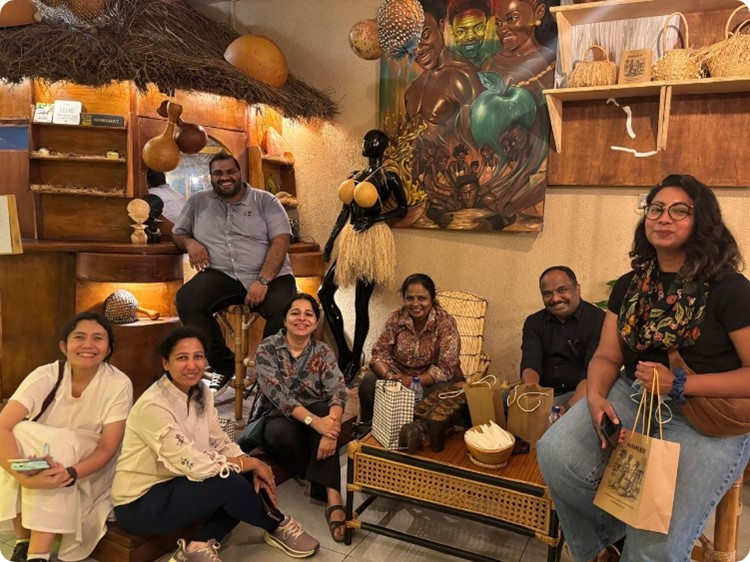
Like all good conferences, some of the best moments happened outside the official agenda, over coffee breaks, during poster sessions, in hotel lobbies, and while exploring the city post the sessions.
Too often, global health meetings happen in spaces that could be anywhere in the world – identical conference rooms with identical carpets and identical sandwiches. Ghana felt different. The hosts exuded genuine warmth, personality, and cultural pride.
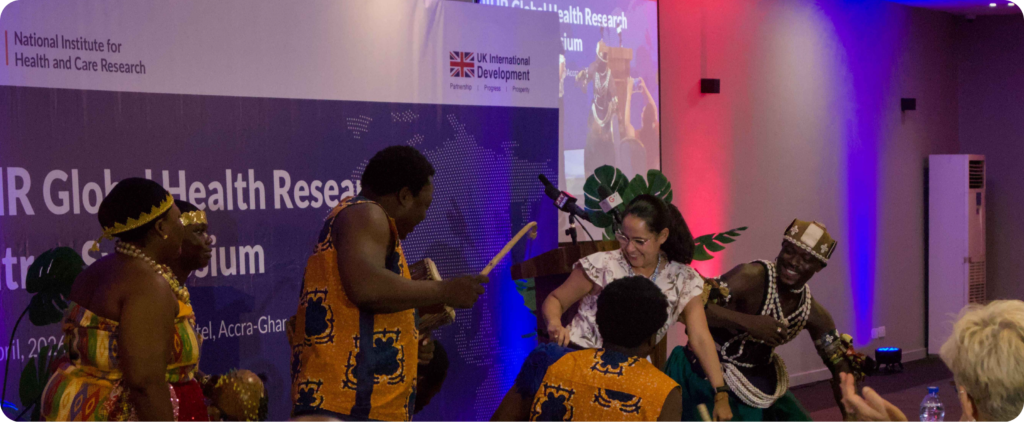
The drums, the movement, and the energy transformed the atmosphere completely. Delegates who had spent the day discussing implementation frameworks suddenly became enthusiastic audience members recording videos on their phones like revellers at a music festival.
Like most Programme Managers, I returned from the symposium with pages of notes, new contacts, follow-up actions, and ideas for future collaboration. But I also returned with stories, laughter, global reflections over local food and music, and countless WhatsApp groups!
Somewhere between IST and GMT, Ghana reminded us that global health partnerships are built not only through meetings and metrics, but through people, conversations, and shared moments that stay with you long after the symposium ends.
——————————————————
This blog was authored by Suruchi Aggarwal.
About the author:
Suruchi Aggarwal– Suruchi is the Program Manager for the NIHR Global Health Research Centre for Non-communicable Diseases and Environmental Change. She co-ordinates this intricate, multi-country research initiative and effectively connects implementation partners with funders, ensuring that the project adheres to the highest ethical standards and generates meaningful impact. Suruchi’s comprehensive approach spans governance, project execution, and partner engagement, while also embedding critical priorities such as capacity building, equity, and sustainability into every stage of the research.
This research was funded by the NIHR (Global Health Research Centre for Non-communicable Diseases and Environmental Change) using UK international development funding from the UK Government to support global health research. The views expressed in this publication are those of the author(s) and not necessarily those of the NIHR or the UK government.