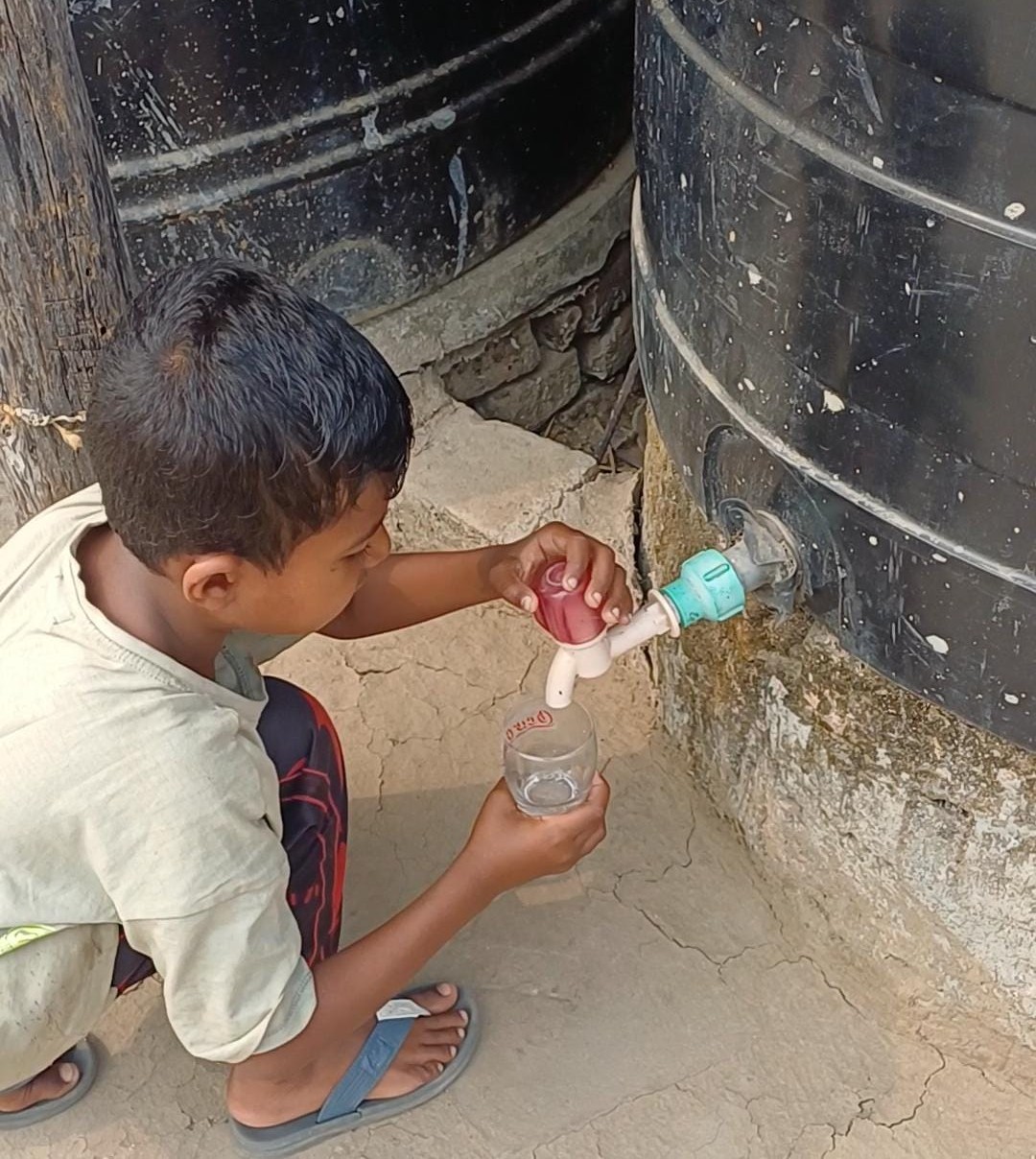

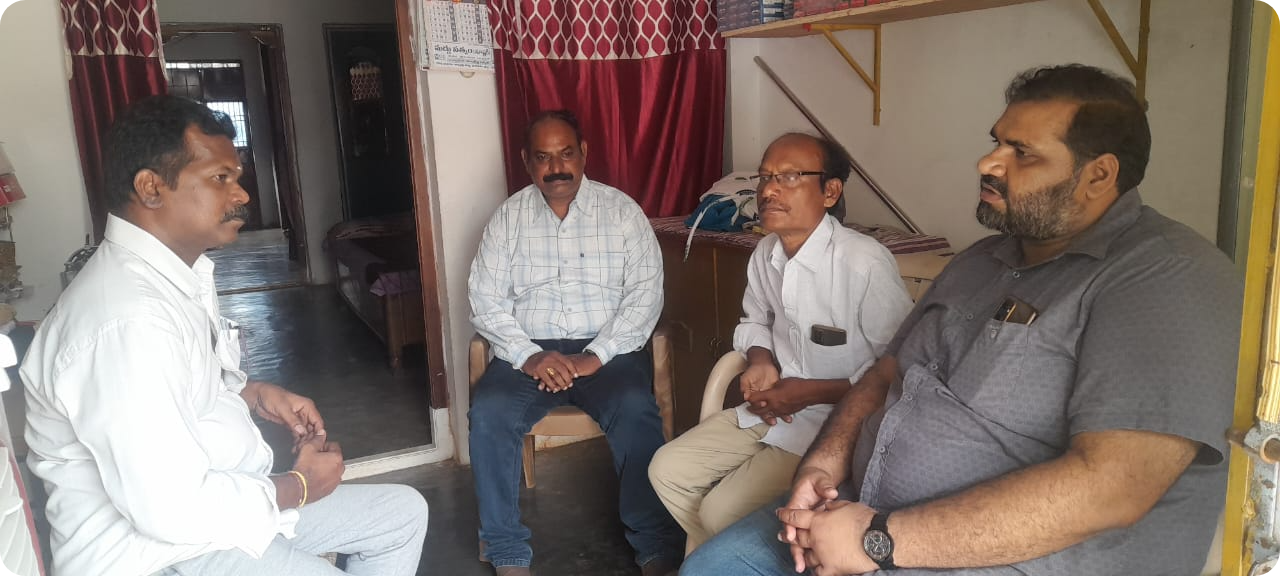
Uddanam, once known for its water, greenery, and agrarian rhythms has witnessed visible climatic, environmental, and health transitions over the past few decades. As the Centre’s work in Andhra Pradesh delves deeper into the intersection of rising heat and health systems preparedness, these lived experiences offer critical insights. What follows is not an assessment of the community, but a shared reflection on how people have experienced, adapted to, and questioned the changes shaping their lives and health in a warming world.
Changing Climate, Changing Lives
(Community reflection led and authored by Giribabu)
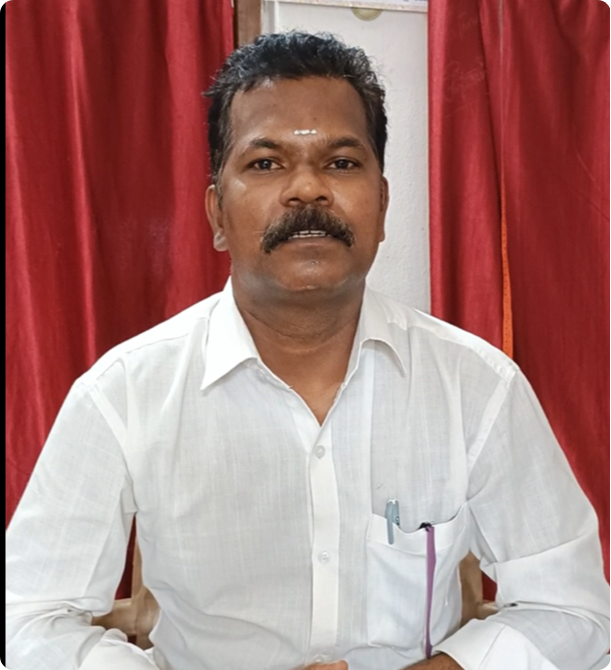
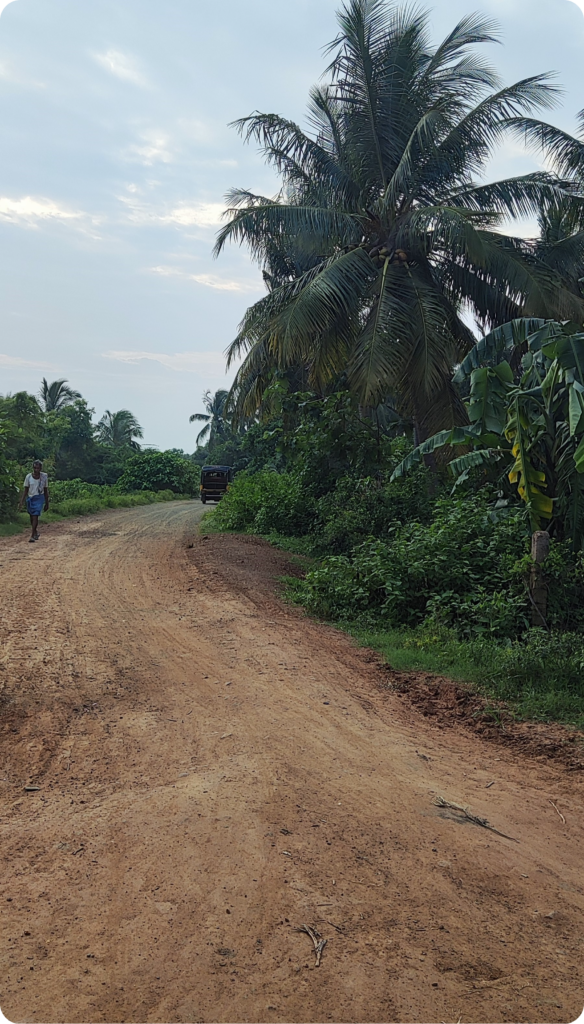
I am Giribabu, from Bypalli village in Vajrapukothuru Mandal of Srikakulam district. I have lived in Uddanam since 1977. I grew up here. Breathing its soil, drinking its clean water, and living amidst its natural beauty. Blue skies, a vast coastline that seemed to merge with the sea, and lush greenery everywhere with coconut, cashew, mango, jackfruit, drumstick, timber and fruit trees. This garden‑like land is what we lovingly called home.
Water was once abundant and naturally clean. Each village had its own wells, canals, springs, and ponds suited to its different needs. Life followed predictable seasonal rhythms. Compared to today, around 30 years ago, we visited hospitals maybe once or twice a year, mostly for seasonal fevers, injuries, childbirth, or family planning.
Over time, however, the climate began to change and with it, our lives. Summers grew longer and harsher. Rains became erratic, monsoons were delayed, and cyclones more frequent—sometimes two to four in a year—damaging crops, rather than nourishing them. Farmers who once worked comfortably until noon now find even early mornings unbearable due to the heat.
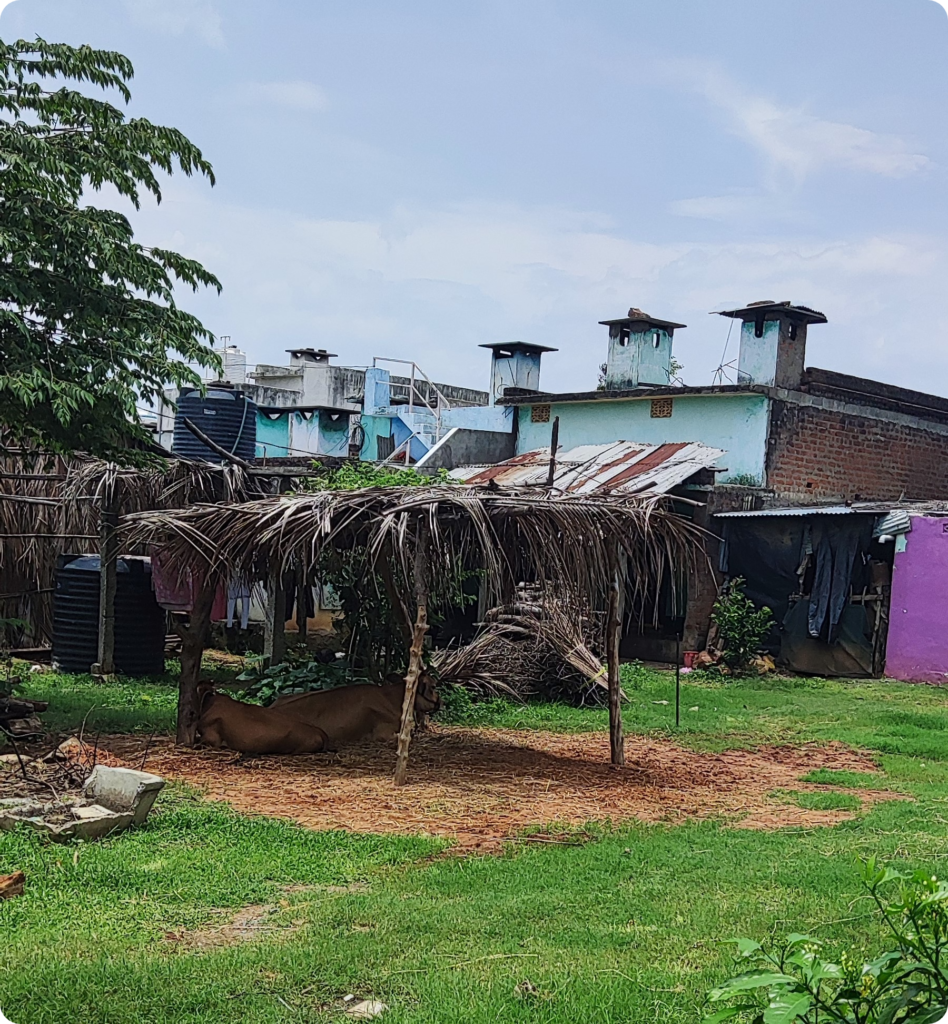
Housing patterns shifted too. Thatched roofs with coconut leaves and mud walls that can naturally cool even at 40°C have been replaced by cement houses, synthetic paints, concrete roads, and closed rooms dependent on fans and air conditioners. Drainage systems replaced soak pits, and groundwater began to deplete.
Health Under Heat: Impact on People and NCDs
Alongside environmental change, health patterns in Uddanam have transformed dramatically. Earlier, natural foods like different varieties of millets, pulses, rice grown without chemical fertilisers, had sustained both bodies and agriculture. Physical labour was a part of daily life, and illnesses like hypertension, diabetes, were rarely spoken of.
As agricultural practices shifted towards chemical fertilisers and pesticides, and as lifestyles became more sedentary, disease patterns changed. Elders often remark that they hadn’t witnessed so many cases of high blood pressure, diabetes, joint pain, fatty liver disease, or chronic kidney problems in earlier decades. Today, appointments with specialists in Visakhapatnam, Vijayawada, Hyderabad, or even Delhi and Mumbai are routine.
From the community’s perspective, heat intensifies these challenges. Long walks to fields under peak sun, dehydration during work, reduced physical activity during extreme heat, and mounting financial and social stress all compound health risks. Cashew farmers, for instance, often walk 2–5 km in intense heat, unable to work earlier due to household responsibilities. Heat exacerbates fatigue, breathing difficulties, and existing NCD symptoms. And yet, these links often remain invisible in routine healthcare conversations.
These perceptions echo what ongoing research under the NIHR GHRC for NCDs and EC initiative has observed and identified, that heat is not a standalone hazard, but a multiplier of NCD risk, workload stress, and health system strain.
Community Adaptation and Coping Practices
Despite these pressures, communities have not been passive. People have continuously adapted, often quietly and without recognition. Work timings are adjusted where possible, with rest taken during peak heat. Traditional foods like fermented rice with moringa leaves, herbal drinks, and seasonal diets persist in some households as sources of strength and cooling.
Housing adaptations once offered natural thermal protection, while community support systems ensured elders and children were checked on during extreme weather. Even today, informal practices like shared water sources, collective shade under trees, and neighbours alerting each other during illness reflect resilience built over generations.
However, many such practices are eroding under rapid modernisation. What is often labelled as “old”, “conservative” or “backward” knowledge was, in fact, finely tuned to local climate and ecology. Through our CEI work, including transect walks, informal interviews, and co‑production workshops, we have seen how these lived adaptations can inform heat‑health preparedness when they are listened to seriously. Simplifying health messages, using colloquial terms like “Neersam” for dehydration, and adapting visuals and training materials are small but powerful examples of how community wisdom can strengthen formal interventions such as Heat Action Plans.
Looking Ahead: Hope, Collaboration, and Systems Response
The experiences shared here underline why CEI cannot be treated as an add‑on. Under the GHRC’s heat–health work in Andhra Pradesh, CEI has helped surface gaps that traditional approaches often miss, like low awareness, weak knowledge retention, cultural mismatches, and the everyday realities of frontline workers and outdoor labourers. More importantly, it has helped build trust.
From the community’s side, there is hope that future efforts will prioritise raising awareness about the health risks of excessive heat exposure, promote simple and practical measures to reduce and prevent such exposure in daily life, ensure timely and accessible information on impending heatwaves, and health systems that listen before prescribing.
As Giribabu reflects, communities like Uddanam have lived through these changes. The aspiration now is not to be studied, but to be partners in shaping responses. In a warming world, solutions will only endure if they are built with the people who experience heat not as an abstract risk, but as a daily reality.
Now is the time we should ask ourselves: when heat reshapes everyday life in places like Uddanam, are we ensuring meaningful community engagement to ensure that our responses are not just designed for communities but with them?
——————————————————
This blog is jointly authored by Giribabu, a long‑time resident of Uddanam in Srikakulam district and a valued member of our India Public Advisory Board, and Maroof Khan, who is the Community Engagement and Involvement (CEI) manager at the NIHR Global Health Research Centre for Non‑communicable Diseases NCDs and Environmental Change. Translated from Telugu, the native language of the author, Giribabu, to English by Maroof Khan with the author’s permission and endorsement, ensuring the nuances of language are preserved.
About Giribabu- A committed and active member of the India Public Advisory Board for the NIHR Global Health Research Centre for Non-Communicable Diseases and Environmental Change, Giriibabu’s generosity of spirit and time has facilitated the co-creation of knowledge between the research team in Andhra Pradesh and community representatives. Giribabu brings his conscientious sensitivity towards his milieu, diligent chronicles of local history, and astute insights as a lived experience advocate.
About Maroof Khan- Maroof is the Community Engagement and Involvement (CEI) Manager for the NIHR Global Health Research Centre for Non-Communicable Diseases and Environmental Change. He oversees the planning and execution of CEI initiatives in India and supports CEI coordination in Bangladesh, India, and Indonesia. Maroof works closely with researchers, policy makers, and civil society organisations to bring community voices to the forefront in public health research.
This research was funded by the NIHR (Global Health Research Centre for Non-communicable Diseases and Environmental Change) using UK international development funding from the UK Government to support global health research. The views expressed in this publication are those of the author(s) and not necessarily those of the NIHR or the UK government.