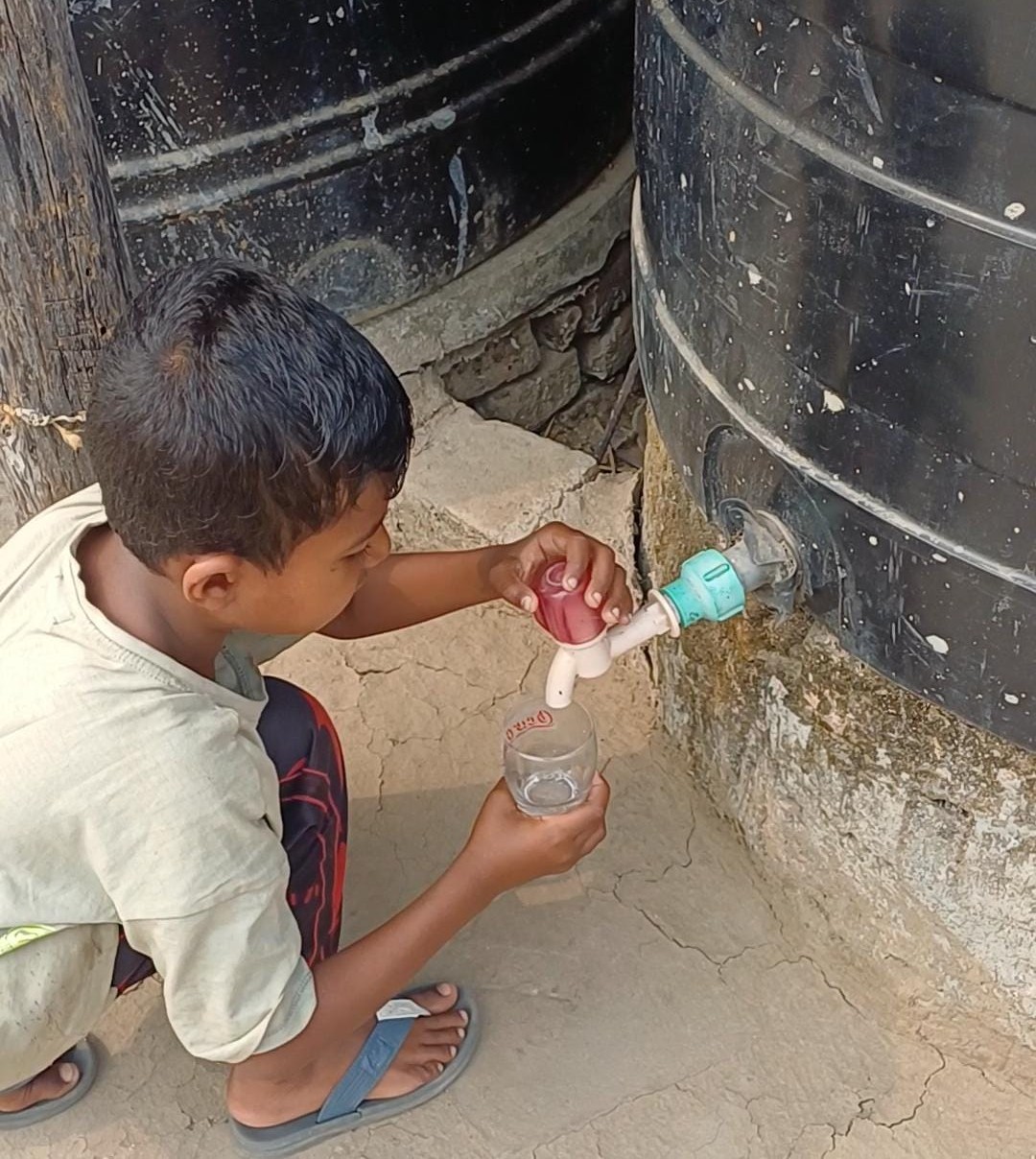


The previous year’s summer was very persistent. During my fieldwork in rural communities in Tamil Nadu in the summer of 2025, I witnessed this crisis firsthand. Farmers working under the relentless sun, construction workers pausing only briefly for water, elderly residents sitting in poorly ventilated homes, all exposed to temperatures that regularly crossed 40°C. But what struck me most was not just the heat, but a conversation with a 48-year-old mother who mentioned her mother’s recipes for summer drinks made with ragi. “Nobody makes these frequently anymore,” she sighed. “The young ones prefer cold drinks from the shop.”
This statement pointed towards something larger than it sounds. There is a slow, largely unnoticed erosion of knowledge that communities have spent generations building to survive exactly the conditions we were documenting.
This blog is about that gap: between what people know, what they once practised, and what might still help mitigate heat during summer if we can find ways to bring it back.
The Silent Killer in our Villages and a Hidden Solution
India’s heatwave death toll is both staggering and undercounted. At least 84 heatstroke1 deaths were officially recorded in the summer of 2025, a fraction of the true toll. The 2010 Ahmedabad heatwave alone caused 1,344 additional deaths2, disproportionately among the elderly. Rural populations face particularly high risks, as they have greater exposure to extreme heat in their workplaces and, at the same time, have limited access to cooling technology (AC, coolers) and healthcare compared to their urban counterparts.
In the face of constraints, sometimes low-cost interventions can work best.

One such largely ignored factor has been the consumption of cooling food like buttermilk, fermented rice water (Torani), Ragi porridge, aam panna, Sattu sarbath, Jal jeera, fresh fruit juices etc. Traditional cooling foods are foods consumed during hot seasons based on indigenous knowledge, rich in hydrating properties, electrolytes, polyphenols, flavonoids, antioxidants, and soluble dietary fibre nutrients that directly counteract the disruptions heat causes in the body (Prem Kumar et al., 2026).3
With the onset of summer in India, there is a burst of advertisements for cold drinks and fruit juices. Consuming chilled beverages and fruits is one of the longest-known tricks to beat the heat. But there may be some traditional wisdom supporting this. For instance, many ancient texts mention the consumption of homemade cooling foods like buttermilk, fermented rice water (Torani), Ragi porridge, aam panna, Sattu sarbath, Jal jeera, fresh fruit juices, etc.
This low-cost intervention may be an attractive strategy to manage heat-related illnesses in rural areas where people are more exposed to heat, given their work in open spaces, and at the same time have limited access to cooling technology (AC, coolers) when compared to their than urban counterparts.
There is no study assessing whether this traditional knowledge has been passed down from older generations to the young population and whether these strategies are currently being used by people to manage the rising incidents of heat waves.
To find answers to some of these questions, we studied >500 individuals in Tamil Nadu. Our aim was to understand whether the population is aware of heat waves, heat-related illnesses, and cooling foods, and whether or not the practices are inculcated in their daily lives.
While it was a no-brainer to learn that most people were aware of heat waves and had basic ideas about cooling foods (not to be confused with chilled foods), the trends suggest that the younger population was not too attuned to the knowledge about cooling foods.
Even in cases where people were aware of food products like buttermilk, fermented rice water, ragi porridge, etc., only 10% were able to implement them regularly in their daily lives to combat the heat.
Further probing helped us capture major barriers to both knowledge and consumption of cooling foods, such as lack of preparation time, financial constraints, lack of awareness, and misconceptions. Even though there are barriers in availing some cooling foods, a heartening realization was that about 80% of the participants expressed a strong interest in educational programs about heat stress and cooling foods.
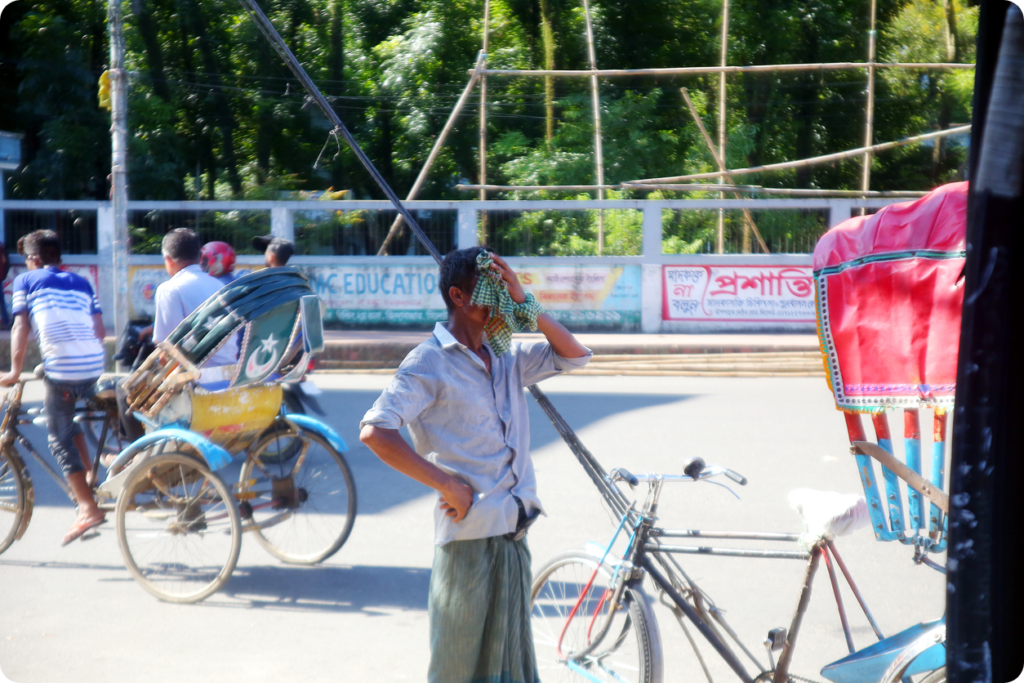
While there is no systematic study documenting evidence of how cooling food consumption affects heat stress, there are field studies4 documenting the benefits of hydration in combatting heat illnesses. In fact, hydration is one of the recommended actions (in a long list of recommendations) for combatting heat as per World Health Organization (WHO)5. So, cooling fields could be one of those low-cost measures that help the community take action at their level to tackle the rising frequency of heat waves, which increased fifteenfold between 1993 and 2022 during summer. This itself merits further understanding and study of this topic. Our team is set to explore this further. In our future work, we would aim to understand how education about cooling foods can foster behavioural change and whether or not it could be a useful strategy for combating heat-related illnesses.
——————————————————
This blog was authored by Akshaya P. Edited and curated by Sarah Iqbal
About Akshaya P.– Akshaya is a Ph.D. scholar and a Project Associate with NIHR Global Health Research Centre for Non-communicable Diseases and Environmental Change and is conducting research on affordable cooling strategies for food to reduce heat stress. With a background in neuroscience and public health, and experience with Apollo, the ILO, and Camomile Healthcare, she aspires to become a professor and lead research on climate-health resilience and culturally grounded interventions.
About Sarah Iqbal- Sarah is the Research Manager at the George Institute for Global Health, India. She also spearheads the knowledge management at the NIHR Global Health Research Centre for Non-communicable Diseases and Environmental Change. A PhD in Biochemistry and with over three years of experience as a research manager, Sarah Iqbal works closely with researchers and the communications team.
This research was funded by the NIHR (Global Health Research Centre for Non-communicable Diseases and Environmental Change) using UK international development funding from the UK Government to support global health research. The views expressed in this publication are those of the author(s) and not necessarily those of the NIHR or the UK government.