Terms like “environment” and “climate change”, even when translated in the local language, are often interpreted by communities through the lens of their unique experiences and realities. This World Environment Day, qualitative researchers and community engagement officers from across the globe sit down for a candid conversation on how local (and at times personal) contexts shape public health research. And how bringing community perspectives to the forefront can foster meaningful and sustainable impact.
Chris Kurian: In my experience, in everyday life, people don’t often discuss ‘the environment’ or ‘climate change’, they do, however, talk about changes in climate, in nature. When reflecting on terminology, one realizes that as researchers, our perspective often leans towards textbook definitions rather than the everyday language people use. While this divergence is an important and a useful one, its awareness also emphasizes the importance of building bridges between academic concepts like ‘climate change’ and everyday understandings of the changing climate.
I work on heat and I have found that the more affected communities in urban and rural India generally don’t speak of it in terms of temperatures. They speak of the shifts in heat in terms of time- duration, frequency and length of periods of severe heat. A couple of people I spoke with felt especially at ease, when I spoke about heat with reference to the months of Hindu calendar for instance.
In Haryana, the association with heat emphasizes protection- in terms of the balance between work and rest, when one must step out, the clothing and headgear one ought to use, dos and don’ts regarding food, drink and bathing.
Maroof Khan: My understanding of the environment developed later in life. Growing up in a village, I always believed that moving to the city was better. Even though the differences in the environments were clearly visible when we moved for better education, I never really noticed them. Reflecting now, I believe I overlooked them because of the privileges I had. A turning point came during my master’s program in social work when I attended a rural camp. A friend mentioned she had only seen certain crops virtually in movies, prompting me to realize that many city dwellers lack firsthand experience of village life.
Having spent a fair few years of my childhood in villages and going back every year, as we, as a family do, for holidays and such, I have over time observed the differences and reflected on the privileges I enjoy compared to those in rural settings, leading me to a deeper understanding of why people make different choices and perceptions based on their circumstances when it comes to their environment.
Nantu Chakma: Through my observations over the past 20 years, I have noticed significant changes in both the environment and the climate, particularly from the perspective of community members.
There is definitely a difference in meaning and conceptualization among people, which depends on their situations and geographical locations, especially for those living in vulnerable areas. Regarding the coastal communities we are working with, their understanding of phenomena such as “climate change” relates directly to the frequent disasters they have faced in recent years.
They can recall numerous disasters that have occurred over the past 10 to 15 years and recognize that their suffering has increased. However, they struggle to fully grasp the underlying causes of these changes. What they can articulate is that something is definitely changing compared to the past.
Rizka Amalia: Most people in the community conceptualize their environment primarily through clean surroundings. A good environment is often described as a clean, healthy, and comfortable place to live. However, for some communities, especially farmers, the environment also relates to the resources available for their livelihoods and income generation. In terms of human ecology, the environment is seen as important for community well-being. It influences how people can secure their livelihoods, particularly through farming and the use of natural resources.
Additionally, social connections play a significant role. For farmers, the environment is tied to social interactions where people gather, live together, and connect spiritually. Especially in Java, Indonesia, which is a largely Muslim population practicing Islam, cleanliness is part of their faith and belief system.
When discussing climate change, many people do not fully understand what it entails. They grasp the concept through their lived experiences. For example, villagers talk about their experiences with unpredictable weather, such as altered rainfall patterns and seasons that no longer follow expected norms.
Chris Kurian: I agree with Rizka’s bit on social connections and the meaning of environment-related actions. In Haryana, I found heat showing up in poetry, local architecture (shaded verandahs and thick mud walls for protection and air circulation), culinary cultures, social practices like offering chhabeel, a sweet drink of watered-down milk and rose syrup free of cost to all, as a form of service and a symbol of optimism in the heat. It tells one how ways of living, work, leisure, health and morality in most communities are historically shaped by a close interaction with the rhythms of the seasons and the climate.
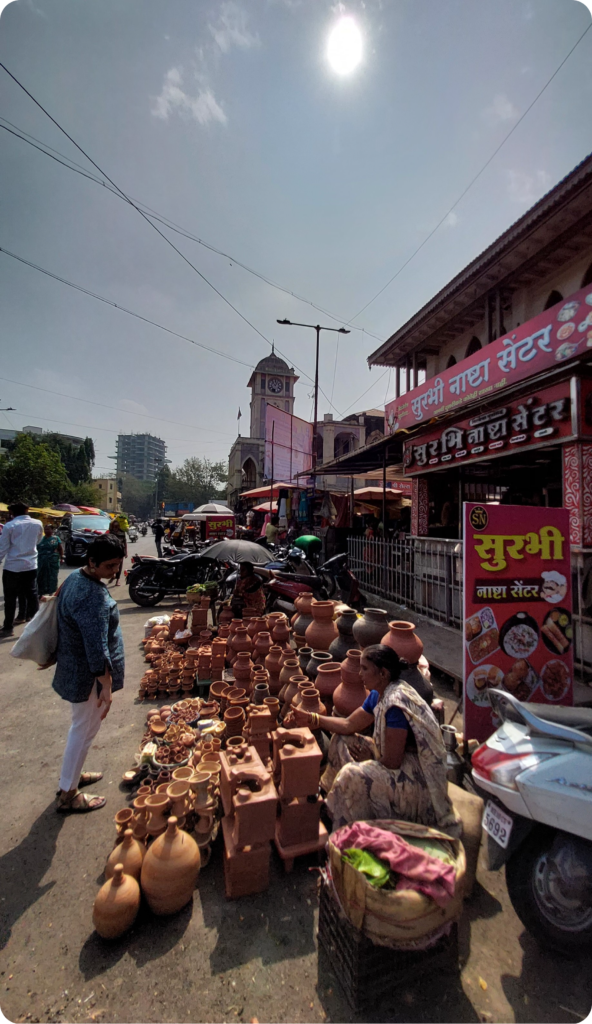
Many of these practices and ways of seeing continue to exist, sometimes codified into rituals, some useful and some made redundant by societal and technological change. Some of these can be worked with and can be scientifically validated to develop effective, affordable solutions with locally available and culturally familiar knowledge.
Maroof Khan: Most of my experience working with communities has primarily been with tribal/indigenous communities. When one works with these communities or if one reads the literature available on this topic, one finds that their worldview is shaped by the philosophy of “जल, जंगल, जमीन” (Water, Forest, Land). It embodies a sustainable relationship with nature, contrasting with a worldview that seeks to exploit it. It’s essential to understand what we mean by terms like “environment.” We often use them interchangeably with “nature” or “ecosystem”. The term “environment” is broader, encompassing both natural and artificial elements. Hence, nature is generally more relatable in rural settings, whereas environment is more prominent in urban areas.
In my experience, if we delve deep enough, communities do comprehend concepts like climate change and the interconnections between environment and nature, as well as how these factors affect their health over time. However, they often find themselves confined within the framework of government projects and trainings they have received. As a result, they share knowledge that stems from these initiatives rather than their lived experiences.
Nantu Chakma: I resonate with Maroof’s experiences and thoughts about development practice. The organization of environmental change is well-established, but I believe that people in vulnerable areas often struggle to understand what is really happening and the causal relationships involving environmental change. Instead, they tend to echo the narratives of NGOs and other development practitioners, relying on what they learn from these organizations.
In coastal communities, various activities are happening, but there are also anthropogenic factors that people typically overlook. For instance, in coastal Bangladesh, salinity problems are not solely attributed to climate change; they also relate to human activities. If people could better understand the key relationships between environmental change and climate issues, they might act differently. I believe this isn’t simply an issue of awareness or understanding on their part. We have to create the space and opportunity to engage with communities in meaningful discussions about real practices and the environmental impacts caused by daily actions.
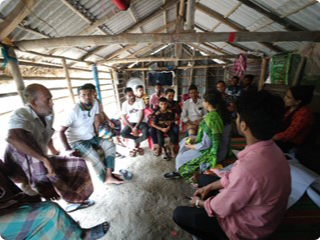
Rizka Amalia: The local community is definitely one of the key areas where we should focus our resources. There need to be open conversations about the connection between climate change, environmental changes, and health, as well as the impact on agricultural production. When we discuss these issues, we are not starting from a place of zero understanding. The local community already has valuable experiences related to the environment. That’s why, when we aim to raise awareness about the environment, we can engage with informal institutions, such as women’s groups in the village or gatherings within religious communities. We can connect with their experiences and facilitate conversations around environmental change and sustainability.
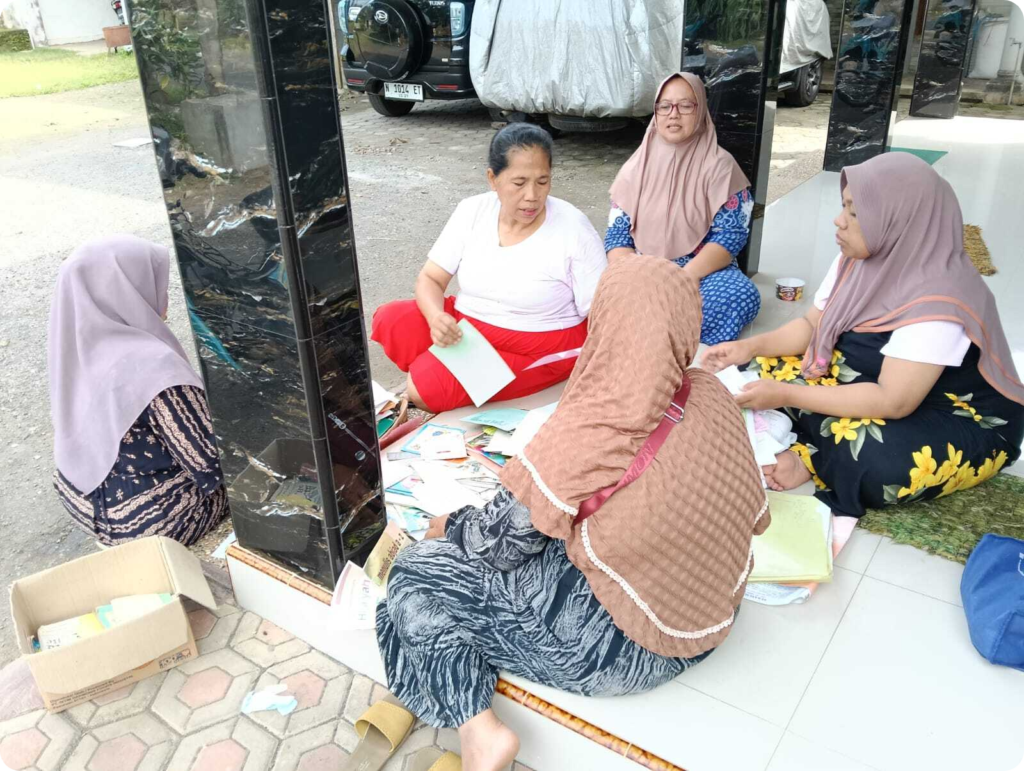
The dialogue needs to happen in places where communities congregate. We should focus on their lived experiences rather than using academic terminology. It’s important to use language that resonates with them rather than relying on complex academic terms.
Chris Kurian: Communities do not have a unidimensional or binary way of looking at the climate or the environment. Heat is not just dangerous or beneficial as I mentioned earlier. It is essential to recognize that there are things they know that we may not understand, just as there are things we know that they may not. This complementarity is crucial. From a primary healthcare perspective, seeking preventive solutions that are closer to community’s experiences; makes good public health sense since they are likely to be more acceptable. It is a vital but tricky conversation. How do we arrive at solutions that are less alienating? By sharing control and by engaging with meanings people associate with different solutions.
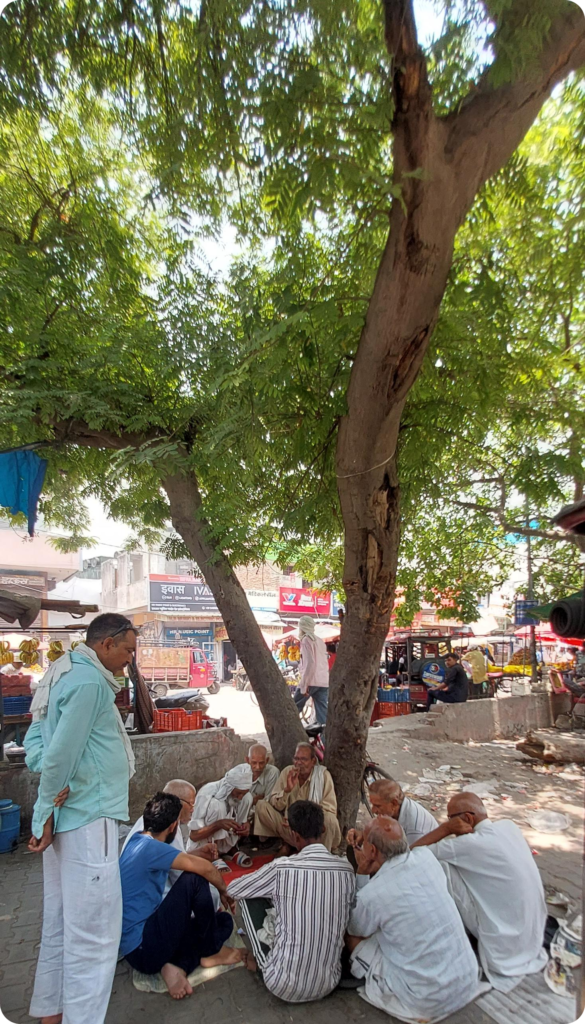
In our fieldwork, migrant women spoke of heat in the city in terms of the physical comfort of having uninterrupted electricity or the privacy of being able to wear comfortable clothing away from the cynosure of marital families. But they also spoke of rising heat in terms of the absence of trees and open spaces, vehicular pollution, density of building and use of ACs. With the absence of trees and open spaces, the women living in nuclear families however also tended to mention loneliness, because in their village, trees were associated with community life.
The shade of a tree was a place where you found easy company because others would also congregate there, looking for comfort. The absence of trees deepened their loneliness and sadness during pregnancy, a time when one is otherwise surrounded by family.
Now the question is what solution should we choose? How can we get cooling shelters to play this communitarian role in cities? Or would it just make more sense to have more trees? If yes, then where? Can trees be equally effective in hot and humid places? If not, then how do we discuss these nuances with communities and arrive at other solutions with them?
It’s a process that demands two-way engagement.
Nantu Chakma: In Bangladesh, we are working closely with communities and policymakers to engage stakeholders effectively. Our goal is to involve community members in meaningful ways. For instance, we are collaborating with healthcare providers, which is a common approach. However, we are also reaching out to non-health actors within the community. This includes engaging faith groups, such as religious leaders, as well as women, schoolteachers, and youth.
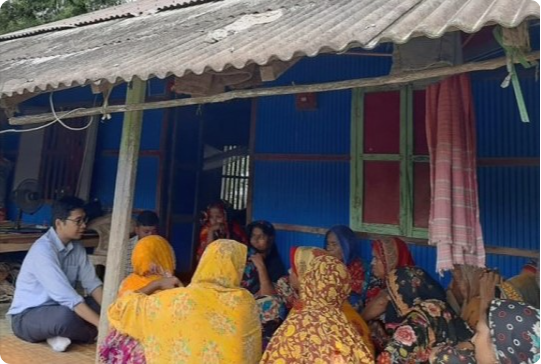
We are dedicated to enhancing the knowledge and understanding of the community, aiming for a broader scope of mobilization that encompasses both health and non-health sectors. To achieve this, we are actively working with various groups and focusing on developing change agents within the communities. We strive to use language that resonates with them, refining the vocabulary to align with their cultural context.
Rizka Amalia: As researchers who work closely with communities, we need to understand the environment and the various factors affecting it from the community’s perspective. In Indonesia, we use photovoice techniques to identify problems in the villages. We engage in co-creation, collaborating with the community to develop interventions based on their identified issues.
During these interventions, we also consider informal institutions within the community. For example, this month in Indonesia, we have implemented cultural mapping to strategize on how to educate the community using local institutions. We also focus on building relationships related to the environment, health, and other relevant factors. When discussing the relationship between the environment and the community, we need to recognize the role extensive engagement and collaboration with the community plays in global health research.
Maroof Khan: It’s vital to recognize that rural communities have historically been better at preserving nature than urban areas, which has lost much of it. We should learn from those with extensive lived experiences that emphasize the importance of nature, an essential part of our environment.
There is a wealth of wisdom within these communities regarding environmental issues that aligns with scientific research. Working with these communities means fostering a collaborative space for knowledge exchange, where community wisdom and traditional health practices are integrated with modern scientific recommendations.
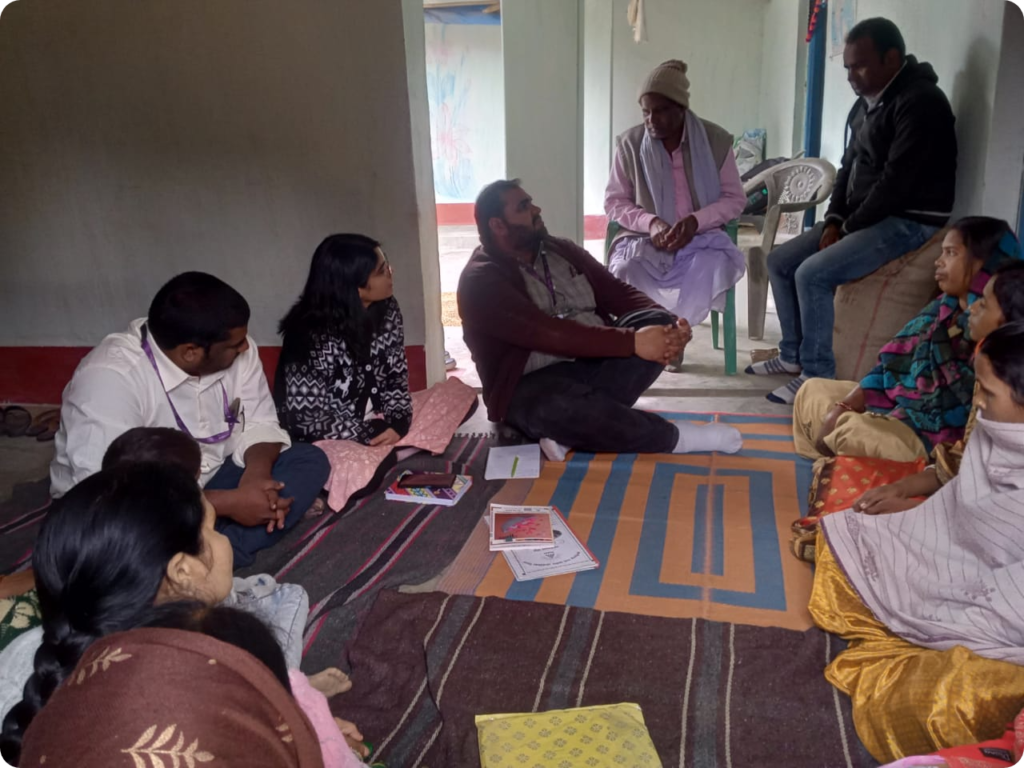
This amalgamation can be challenging; communities can feel they are not on the same level as those who are perceived to possess more knowledge. Consequently, this distrust can impede effective collaboration. Just because something is not proven by modern science does not mean it is ineffective. Conversely, not all community practices that lack scientific validation are irrelevant either. It is essential for us, as researchers to recognize this complexity in our work.
——————————————————
This is an edited transcript of a conversation between Chris Mary Kurian, Maroof Khan, Nantu Chakma, and Rizka Amalia.
About the speakers:
Chris Mary Kurian: Dr. Chris Mary Kurian is a Senior Research Fellow at The George Institute for Global Health and a Fellow in the New Research Leadership Program of the NIHR-GHRC. She co-leads the qualitative research component in the Heat in Pregnancy- India Project- a collaborative study that examines physiological impacts and adaptation to extreme heat among pregnant women from marginalized communities in India.
Maroof Khan: Maroof is the Community Engagement and Involvement (CEI) Manager for the NIHR Global Health Research Centre for Non-Communicable Diseases and Environmental Change. He oversees the planning and execution of CEI initiatives in India and supports CEI coordination in Bangladesh, India, and Indonesia. Maroof works closely with researchers, policy makers, and civil society organisations to bring community voices to the forefront in public health research.
Nantu Chakma: Nantu Chakma is working as an Assistant Scientist at icddr,b, Bangladesh. His specialization is in social anthropology, and he has been working in public health focusing on the prevention and control of Non-Communicable Diseases (NCDs). He is currently serving as the country Community Engagement and Involvement (CEI) Lead for the Bangladesh team of the NIHR Global Health Research Centre for Non-Communicable Diseases and Environmental Change project.
Rizka Amalia: Rizka Amalia is a lecturer at Brawijaya University, Indonesia, specializing in environmental sociology and community empowerment. She currently serves as the Community Engagement and Involvement (CEI) Lead for the Indonesia team of the NIHR Global Health Research Centre for Non-Communicable Diseases and Environmental Change
This research was funded by the NIHR (Global Health Research Centre for Non-communicable Diseases and Environmental Change) using UK international development funding from the UK Government to support global health research. The views expressed in this publication are those of the author(s) and not necessarily those of the NIHR or the UK government.