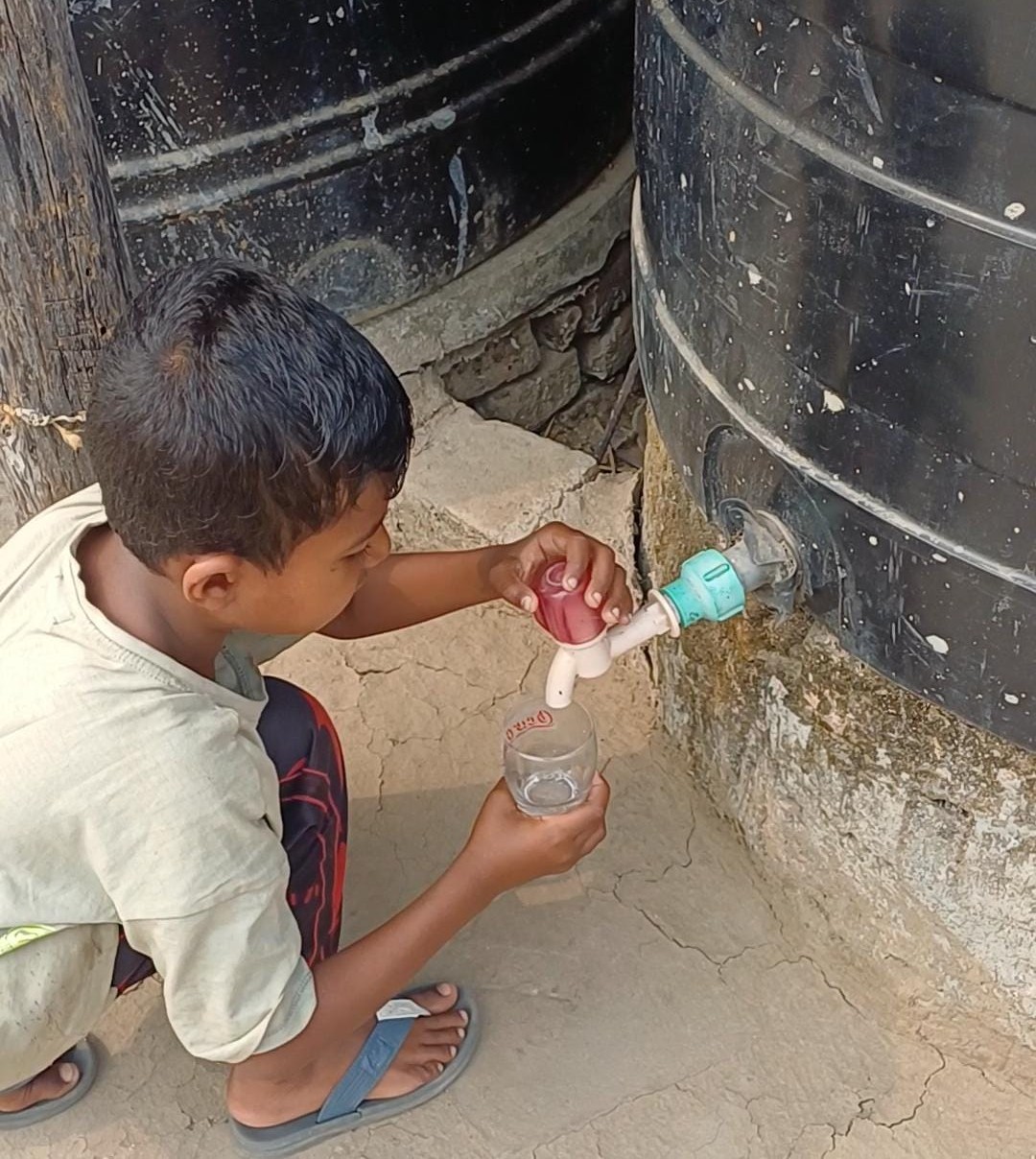

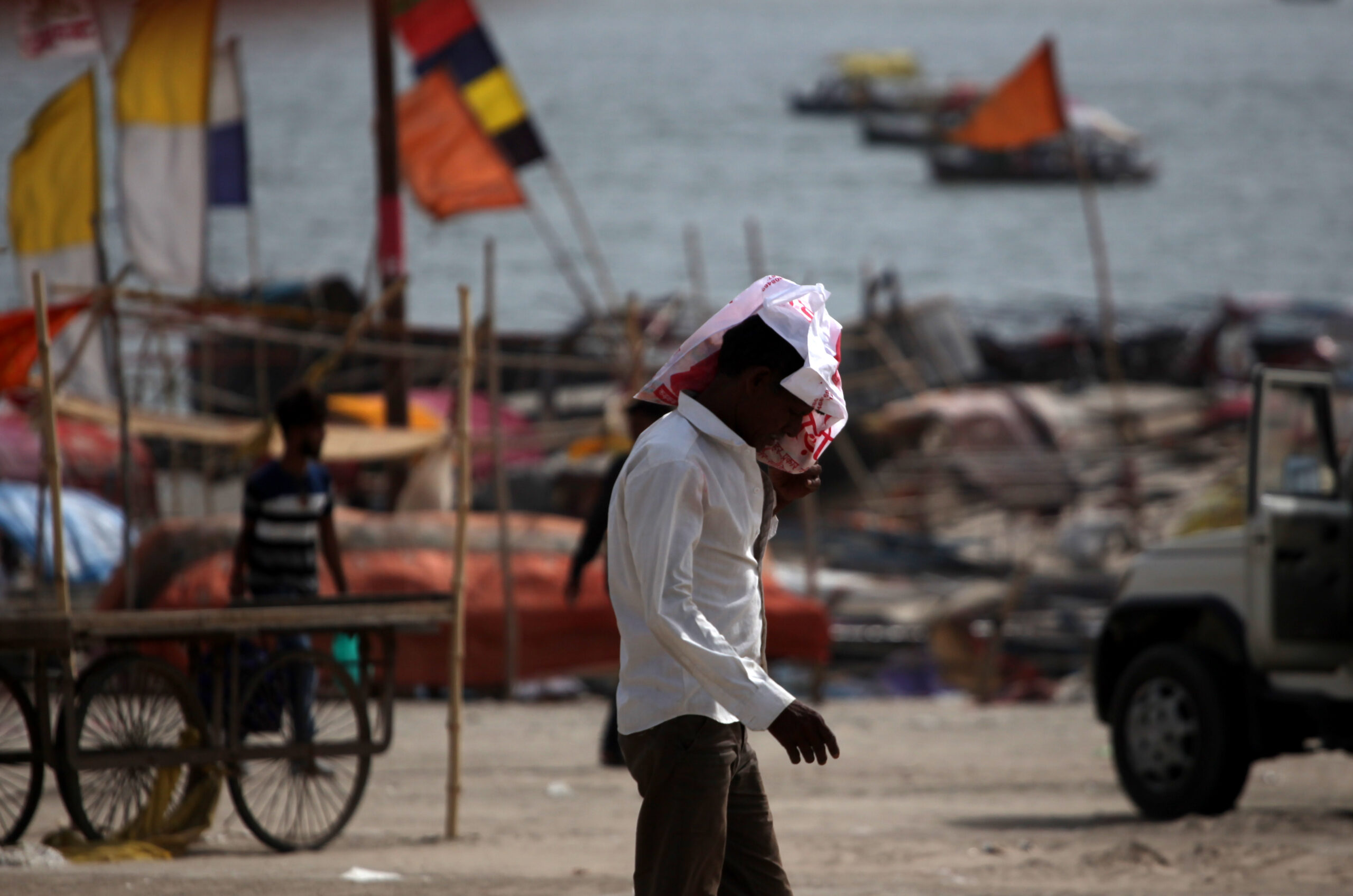
When 33 polling staff died from extreme heat during India’s 2024 general elections in Uttar Pradesh,1 it prompted an important question within public health circles:“What does Universal Health Coverage actually cover?”
These were not people without access to care; they were state employees, working within the systems, on a day that was well-documented and significant for more reasons than one. Yet their deaths highlight how climate-related hazards such as extreme heat remain insufficiently addressed within traditional health coverage frameworks. Between January and November 2025, India experienced extreme weather on an alarming 331 out of 334 days.2 When there are only three “normal” weather days in nearly a year, the question is no longer hypothetical.
“Can UHC truly be universal if it doesn’t protect people from the environment in which they live and work?”
The Reality Behind the Numbers
Official records assert approximately 17,706 heatwave deaths between 2000 and 2020 (NDMA), yet research suggests a single heatwave causes tens of thousands of excess deaths across India.3 In 2023 alone, India lost $141 billion in income due to heat-related productivity losses, with 181 billion labour hours lost.4 These figures are not about GDP and the nation’s economy; they represent families unable to earn enough for food and shelter because working outdoors has become dangerous.

Those bearing the brunt are outdoor workers in construction, agriculture, and sanitation; delivery drivers; pregnant women; the elderly; and rural populations far from healthcare. Many hold coverage cards but lack the protections that would stop them from needing emergency care in the first place.
Three Gaps Climate Change Exposes in UHC
First, the prevention gap: India’s UHC focuses on treating illness rather than preventing climate-related health impacts. Primary Health Centres lack cooling facilities, IV rehydration supplies, and heat illness protocols. There are no mandated occupational protections, no required cooling breaks, no hydration stations, no adjusted work hours during extreme heat.
Second, the “before hospital” gap: many heat deaths occur before victims ever reach a facility. In rural areas, first responders lack heat illness training community-level emergency protocols are largely absent, and ambulance response times remain inadequate. By the time the healthcare system engages, it is often too late.5
Third, and most insidiously, the recording gap: deaths are systematically misclassified as cardiac arrest or kidney failure, obscuring heat as the underlying cause. As Dr K. Srinath Reddy, founder of the Public Health Foundation of India, notes, “incomplete reporting, delayed reporting and misclassification of deaths” mean heat-related fatalities are vastly undercounted.6 Without accurate data, families cannot claim compensation, and invisible deaths drive no policy response.
What Climate Change-Ready UHC Looks Like
We already know what works. Ahmedabad became India’s first city to implement a Heat Action Plan in 2013, after 1,344 excess deaths during a 2010 heatwave.7 The plan combined community outreach, a colour-coded early warning system, and healthcare capacity building, saving an estimated 1,190 lives annually in its first two years.8 When a nationwide heatwave killed 2,300 people across India in 2015, Ahmedabad reported fewer than 20 heat-related deaths.9 The model has since been adopted by over 23 states.
Scaling this requires six reforms: legally mandating heat as an occupational health hazard with cooling breaks and hydration stations; training and equipping all Primary Health Centres with heat illness protocols; integrating early warning systems into health facility surge plans; building climate-resilient urban infrastructure such as cool roofs and urban greening; standardising heat death certification nationwide; and closing the coverage gap for informal sector workers who fall between Ayushman Bharat and private insurance. Early warning systems alone offer a 50:1 return on investment, and urban greening can reduce heat deaths by 30%.10
Protecting Lives Beyond Hospital Walls
The 33 families of the deceased ask a question we can no longer defer: Universality can’t hold true without equitable care, can it? The evidence, the models, and the science all exist. What remains is for us to acknowledge that climate change has fundamentally altered what “health coverage” must mean. The next heatwave is coming. India’s UHC must be ready not just with hospital beds, but with the prevention, protection, and policies that could have saved 33 lives and 33 families from being torn asunder by tragedy. That is what “universal” must mean when the next heat period hits.
——————————————————
This blog was authored by Dr. Prayukta Sinha
About the author:
Dr. Prayukta Sinha– Prayukta Sinha is a public health professional and physician with a strong interest in assessing the health impacts of climate change. She engages with multiple United Nations constituencies and is the co-founder of Sustain AQUA, a circular water economy initiative and is a research intern with the NIHR Global Health Research Centre team at The George Institute for Global Health, Hyderabad.
This research was funded by the NIHR (Global Health Research Centre for Non-communicable Diseases and Environmental Change) using UK international development funding from the UK Government to support global health research. The views expressed in this publication are those of the author(s) and not necessarily those of the NIHR or the UK government.