

When: July 2024 – December 2024
Where: Virtual Sessions
Session Type: Participation via Expression of Interest
Organizing Institute: The George Institute for Global Health, India
Course Brief:
The NIHR Global Health Research Centre for Non-communicable Diseases and Environmental Change facilitated a training course on the Fundamentals of Economic Evaluation. Expertly led by Dr. Susmita Chatterjee, Program Head, Health Economics, from the George Institute for Global Health, India, the course had 42 participants from Indonesia, India, and Bangladesh. Delivered through the Global RT Moodle platform, the course featured six live interactive sessions, a face-to-face workshop, along with assignments designed specifically for the cohort, which included an assignment to develop a cost evaluation plan for a research project using template shared by Dr. Chatterjee.
Intended learning objectives:
- Describe economic terms and basic concepts of economic evaluation.
- Describe the use of economic evaluation for planning and policy decisions.
- Understanding the key components of costing an intervention in the context of an economic evaluation.
- Understanding the different outcomes commonly used in economic evaluation.
- Recognize different methods and tools of economic evaluation.
- Explain the scope of an economic evaluation.
Spanning over 11.5 hours (7.5 hours of live interactive sessions and 4 hours of face-to-face sessions), the training course offered valuable insights and knowledge. The valuable aspects of the training, according to participants, included:
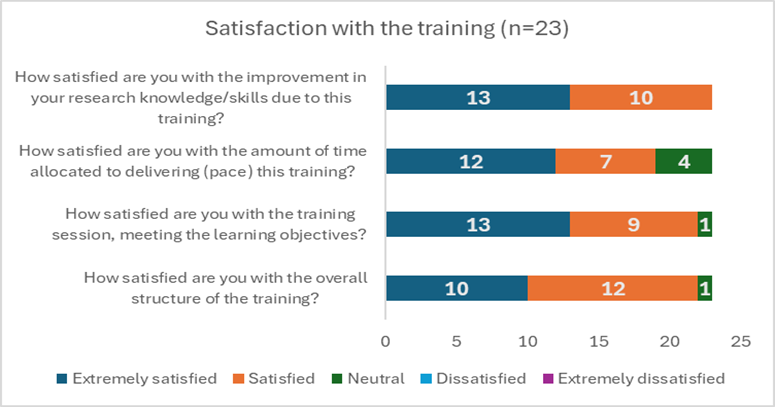
- Gaining knowledge about new concepts like Markov model.
- Understanding practical methods of assessing cost-effectiveness of health interventions.
- Simplicity of training content made it very easy to understand.
- Gaining knowledge about how cost data informs policy making.
Introduction to Economic Evaluation
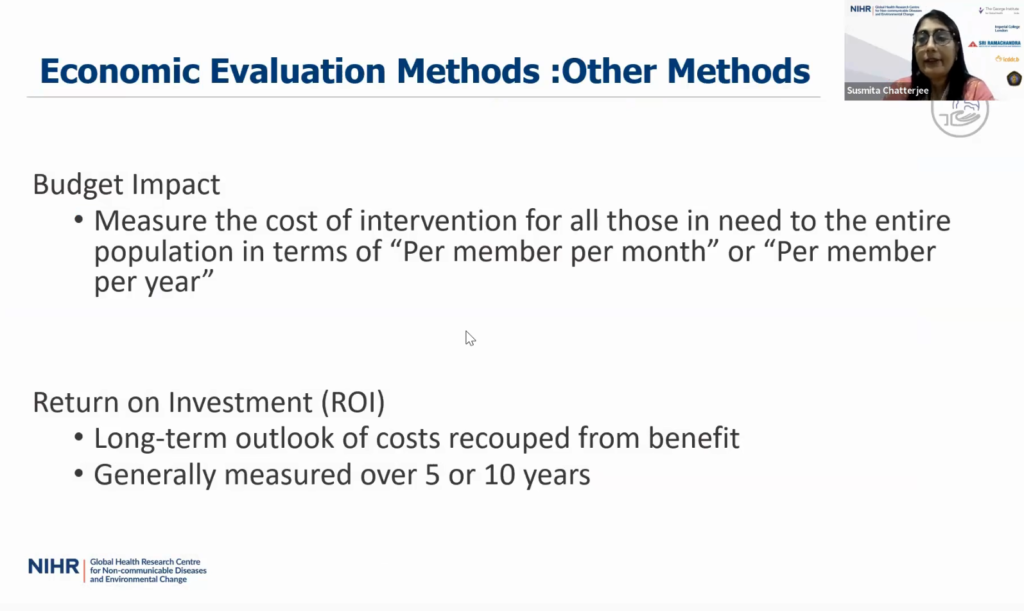
Join Dr. Susmita Chatterjee from the George Institute for Global Health as she takes us through the foundational concepts of health economics and how it can serve as a strategic tool for policy formulation and decision-making.
Dr. Chatterjee explores the different methodologies of economic evaluation, highlighting the critical role it plays in health care research.
Scope and Study Design Components of Economic Evaluation
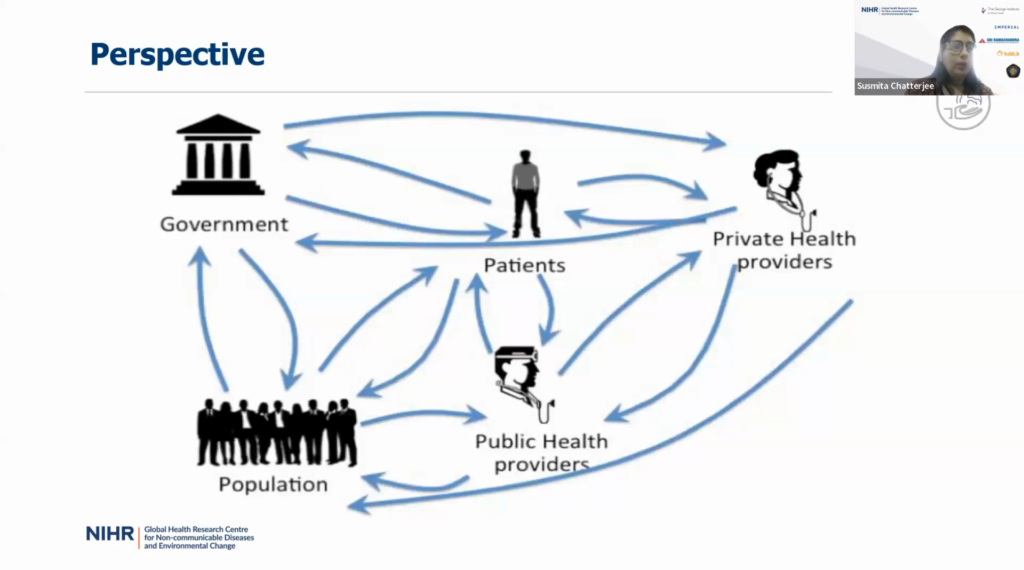
Dr. Susmita Chatterjee underlines the vital importance of identifying perspectives at the onset of economic evaluations. Exploring how perspectives influence the costs to be considered for analysis, Dr. Chatterjee highlights the difference between trial-based and model-based economic evaluations and a whole lot more.
Concept of Cost in Economic Evaluation
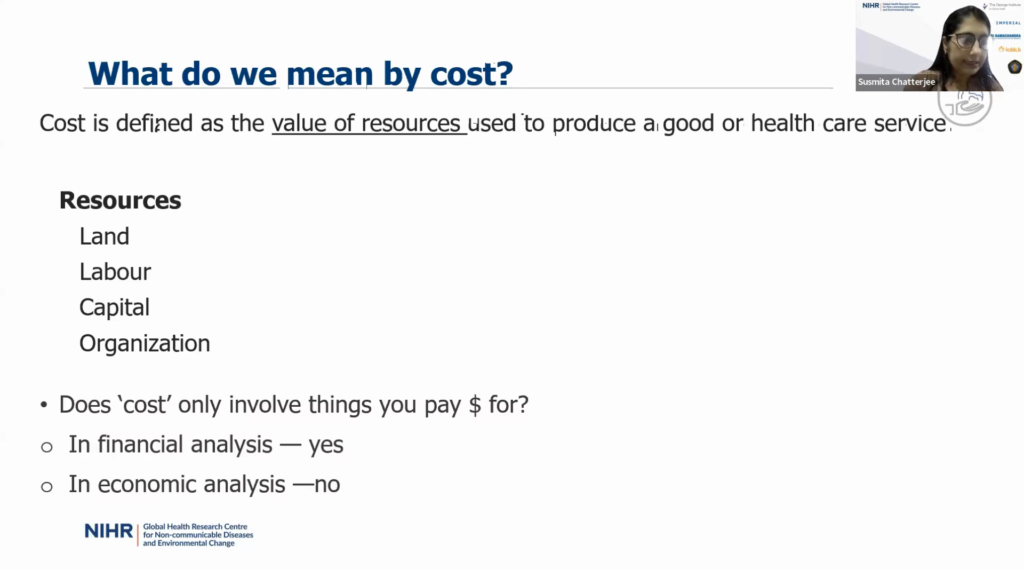
Dr. Susmita Chatterjee investigates the role of “costs” in economic analysis. What it means, its categorisations, and its practical implications in economic evaluations for health care research.
Costing an Intervention in the Context of an Economic Evaluation
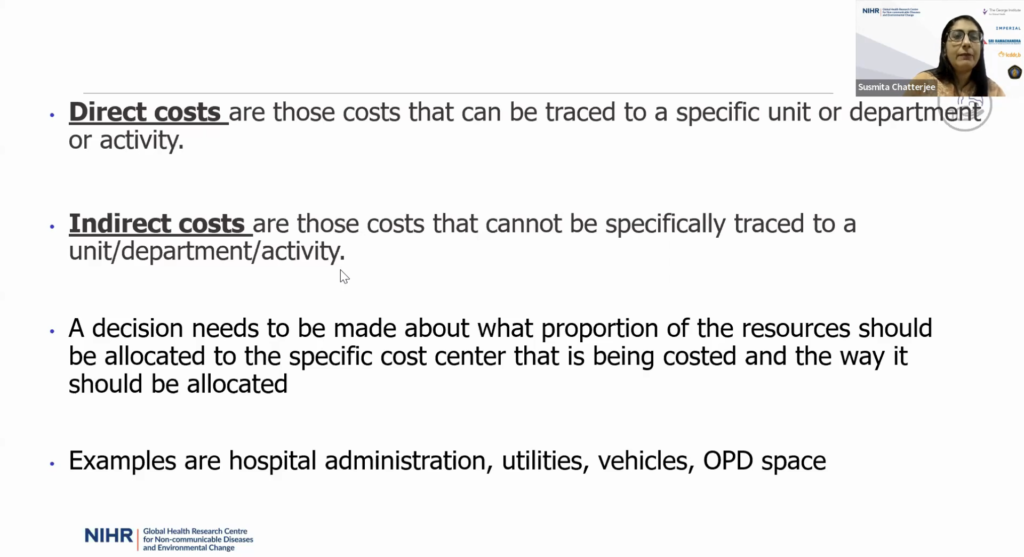
Delve into the differences between full cost and incremental cost analysis along with key concepts like annualisation, variables like useful life, inflation, and a whole lot more. Join Dr. Susmita Chatterjee as she examines real-life examples to illustrate how interventions are analysed for costs.
Measuring Outcomes

Covering key concepts like Disability-Adjusted Life Years (DALYs) and Quality- Adjusted Life Years (QALYs) with rich examples, learning exercises, and a whole lot more, Dr. Susmita Chatterjee walks us through the different methods of measuring outcomes in economic evaluations.
Synthesizing, Interpreting, and Reporting Economic Evaluation Findings
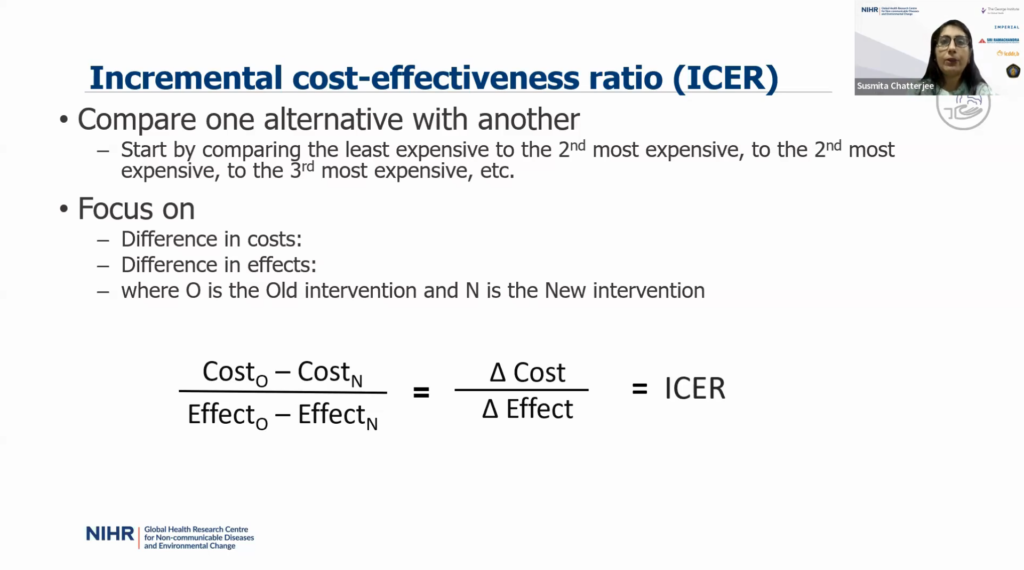
Dr. Susmita Chatterjee takes us through a step-by-step guide towards synthesising and interpreting insights from economic evaluations. Know more about how analysis and reporting economic evaluation findings can illuminate and answer powerful research questions.
Participants praised the comprehensive and accessible nature of the course, asserting that
“Training content was very simple and clear to be understood by person who is not from economic study background.”
——————————————————
This research was funded by the NIHR (Global Health Research Centre for Non-communicable Diseases and Environmental Change) using UK international development funding from the UK Government to support global health research. The views expressed in this publication are those of the author(s) and not necessarily those of the NIHR or the UK government.