

When: April 2024 – July 2024
Where: Virtual Sessions
Session Type: Participation via Expression of Interest
Organizing Institute: The George Institute for Global Health, India
Course Brief:
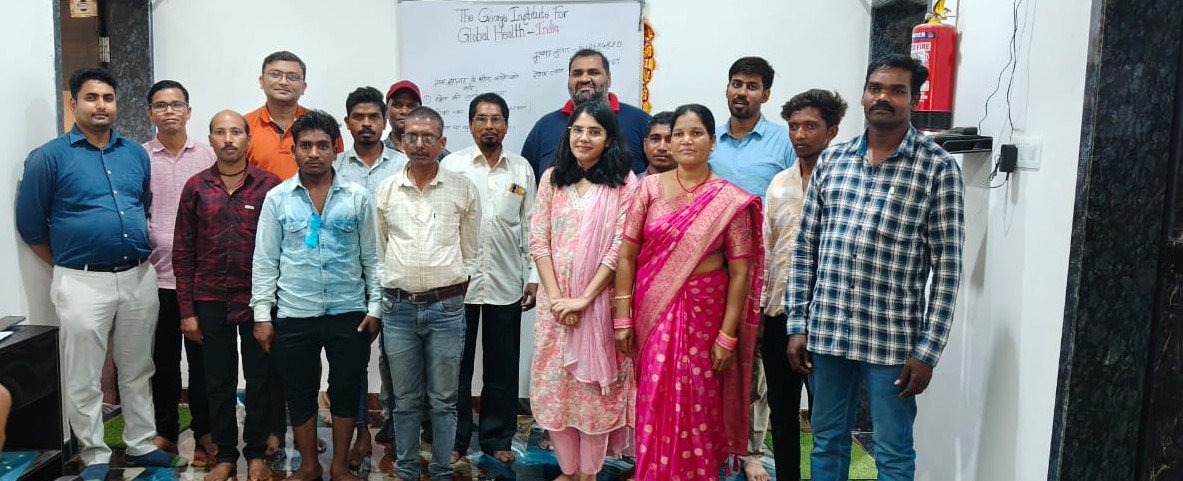
The NIHR Global Health Research Centre for Non-communicable Diseases and Environmental Change facilitated a training course on Exploratory Data Analysis. Expertly led by Dr. Rashmi Pant from the George Institute for Global Health, India, the course had thirty participants from Indonesia, India, and Bangladesh. Delivered through the Global RT Moodle platform, the course featured six interactive sessions along with two pre-recorded lectures, open-access reading material, and a multiple-choice quiz assignment designed specifically for the cohort, ensuring a rich learning experience.
Intended Learning Objectives:
- Identify distribution of outcome variables.
- Perform outlier and influential observation analysis.
- Identify potential violations of the assumptions before the application of final statistical testing and modelling procedures.
- Identify appropriate transformations for variables where needed.
- Identify a priority, relationship patterns between multiple dependent and independent variables through graphs.
Spanning over 10 hours (9 hours of live interactive sessions and an hour of pre-recorded lectures), the training course offered valuable insights and knowledge. The valuable aspects of the training, according to participants, included:
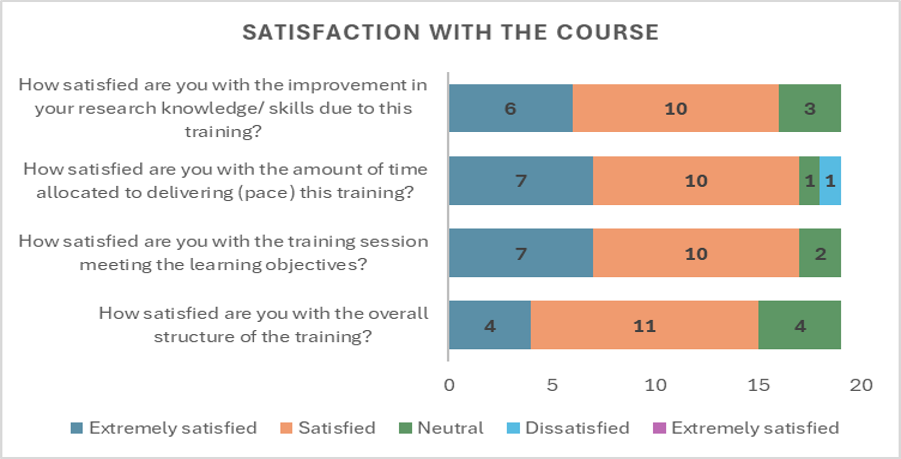
- The session covered a breadth of analysis methods and provided a strong foundation for analysis.
- New statistical techniques and tests, practical exercises and real-world examples helped me understand how to effectively analyse and interpret data.
- Feedback on statistical methods and learning about basic to advance of exploratory data analysis was of much value.
Exploring Independent & Dependent Variables & their Distribution
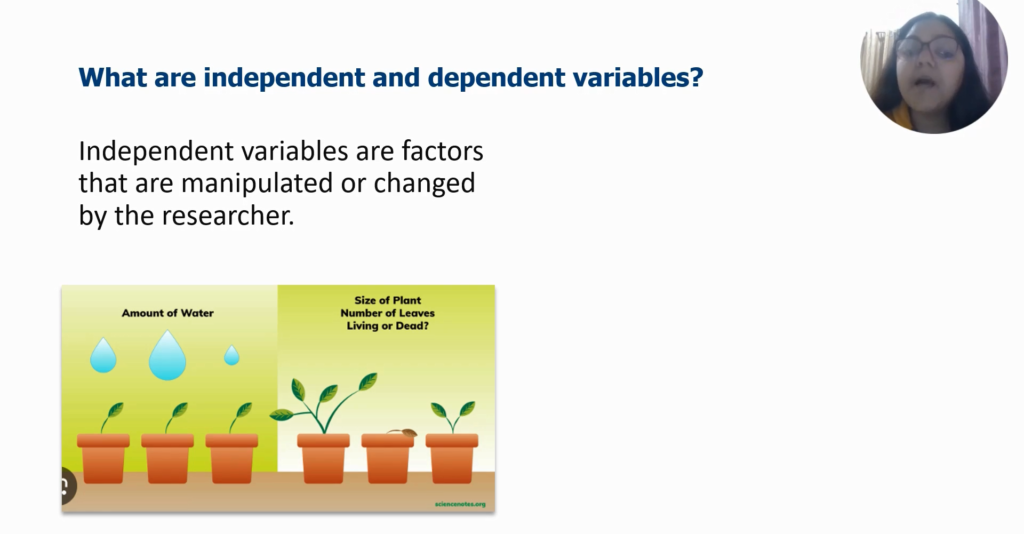
Join Dr. Rashmi Pant as she takes us through the fundamental concepts of independent and dependent variables in health research through examples. Examining case studies, Dr. Pant explores the measurement of theses variables and their distribution patterns.
Implausible Values, Outliers & Influential Observations (Part 1)
Dr. Pant explores the implausible values, outliers, and influential observations in research data and elucidates various techniques to identify them using numerical measures and graphs.
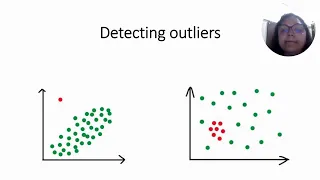
Implausible Values, Outliers & Influential Observations (Part 2)
Join Dr. Rashmi Pant as she investigates the potential solutions to address implausible values, outliers, and influential observations and how one can incorporate outlier diagnostics in statistical analysis.
Exploring Relationships in Cross Sectional and Longitudinal Data
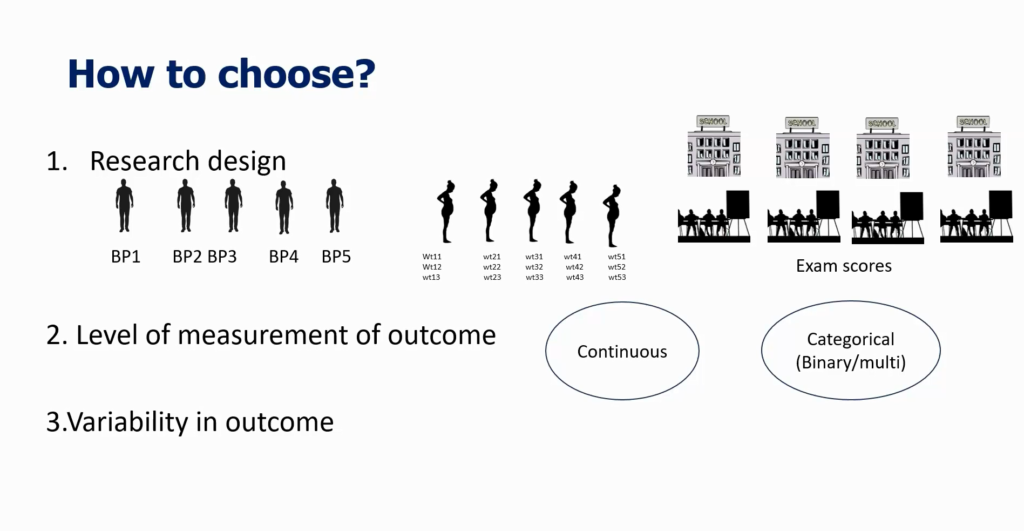
Dr. Rashmi Pant examines the nuanced relationships between different type of variables along with the different metric and visual displays that help understand these relationships within the context of research study designs.
Assumption of Statistical Tests
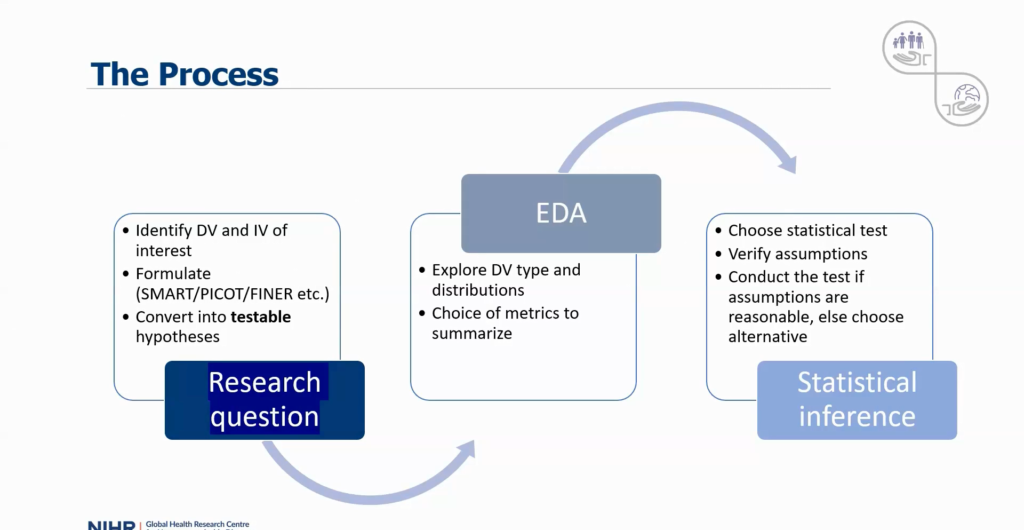
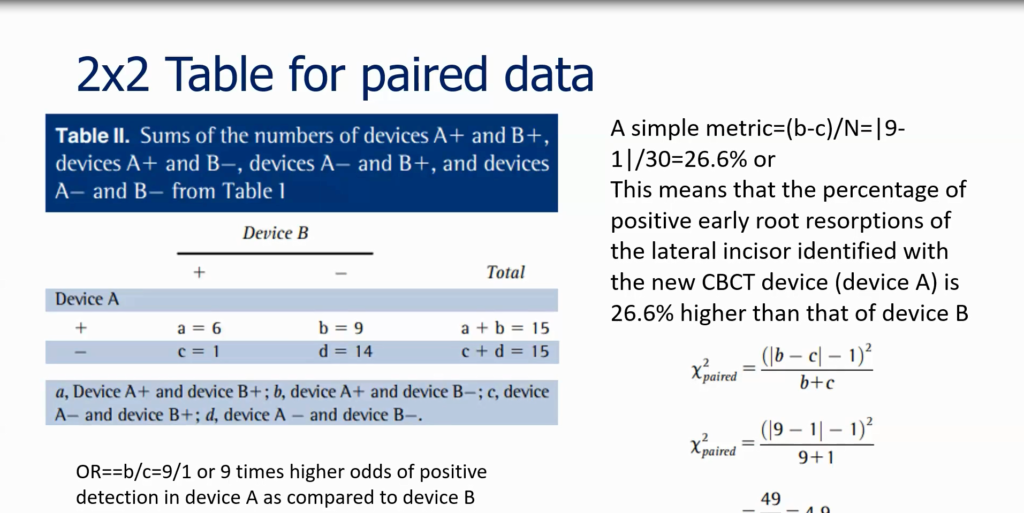
Dr. Pant takes us through the foundational concepts of hypothesis testing, statistical tests, and the research questions that govern statistical testing, and a whole lot more.
Choice of Regression Models
Dr. Rashmi Pant explores regression models from an explanatory data perspective. Examining the foundational concepts of regression models, the different variations, the pros and cons of each regression model and how to choose the model best suited for one’s research.
Participants praised the comprehensive and accessible nature of the course, asserting that
“The most valuable aspect of the training was gaining a deep understanding of statistical techniques and their practical applications for data analysis.”
——————————————————
This research was funded by the NIHR (Global Health Research Centre for Non-communicable Diseases and Environmental Change) using UK international development funding from the UK Government to support global health research. The views expressed in this publication are those of the author(s) and not necessarily those of the NIHR or the UK government.