

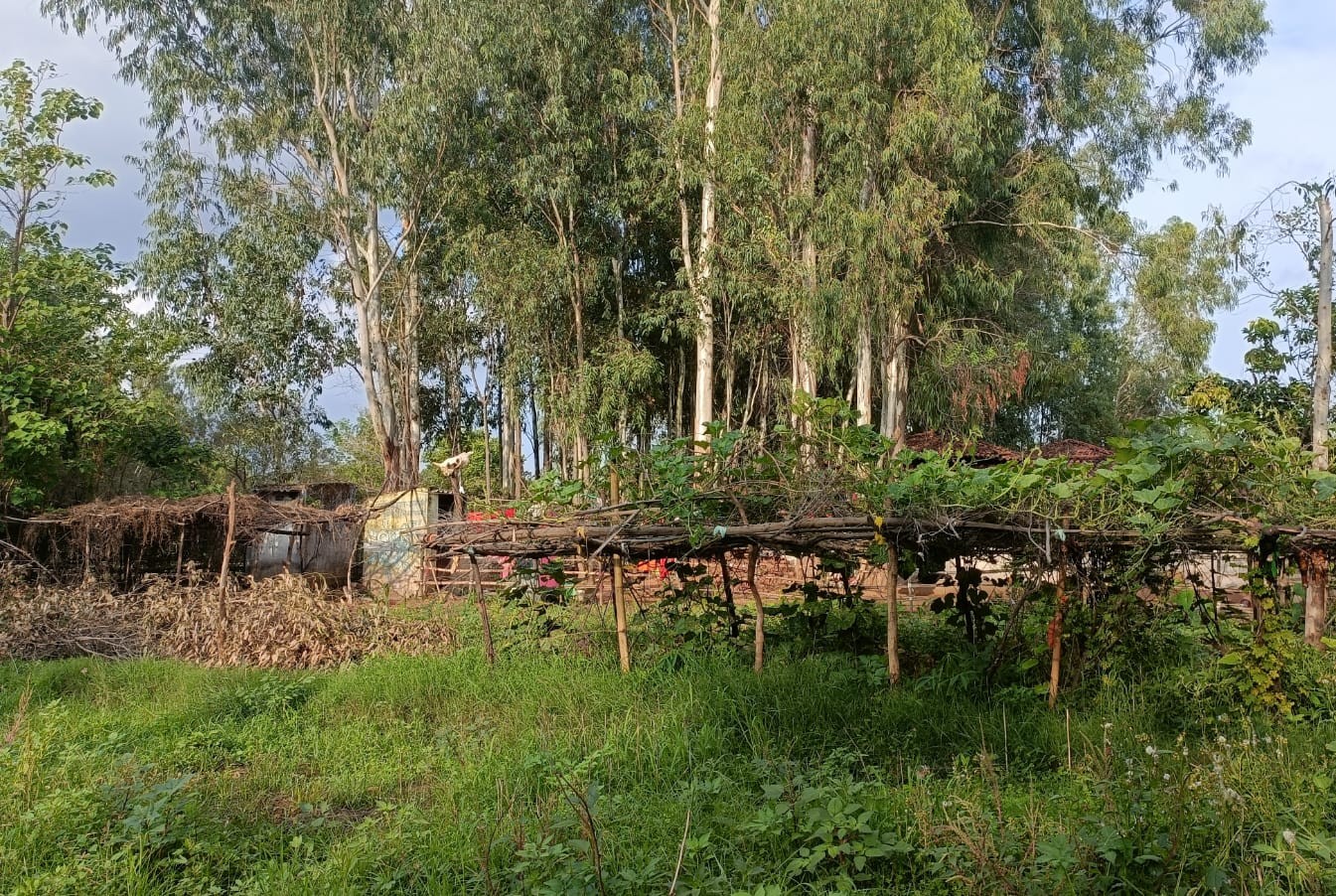
A recurring question in the world of development projects and research programmes is: what endures after a project comes to an end? Scientific studies, reports and evaluations are essential for generating evidence and informing policy and practice. At the same time, the process of research often turns rich lived experiences into themes, codes and findings. While these are invaluable for understanding broader patterns, they do not always capture the full depth of the stories, memories and insights that people carry with them.
This is especially true for indigenous knowledge, which is often embedded in everyday practices, local languages, personal experiences, individual memories, and oral traditions. Documenting such knowledge requires more than evidence generation alone. It requires listening to and preserving candid conversations that reveal the tacit understandings of people who have lived through social, cultural, and environmental change. These conversations can often speak to a wider audience in ways that formal research findings cannot.
It is difficult to think of someone better suited to such a conversation than Gangaram Paikra, affectionately known across the region as Ganga Bhaiya. Having spent his entire life in Surguja, he has witnessed the region’s social, cultural and environmental transformations from a unique vantage point. He has lived these realities as a community member, worked alongside people’s movements as a social activist, served as a public representative, and gone on to establish and lead Chaupal Gramin Vikas Prashikshan Evam Shodh Sansthan. More than forty years of working on issues of food, nutrition, health, dignity and tribal rights have given him a rare perspective on how communities, livelihoods and food systems have changed over time.
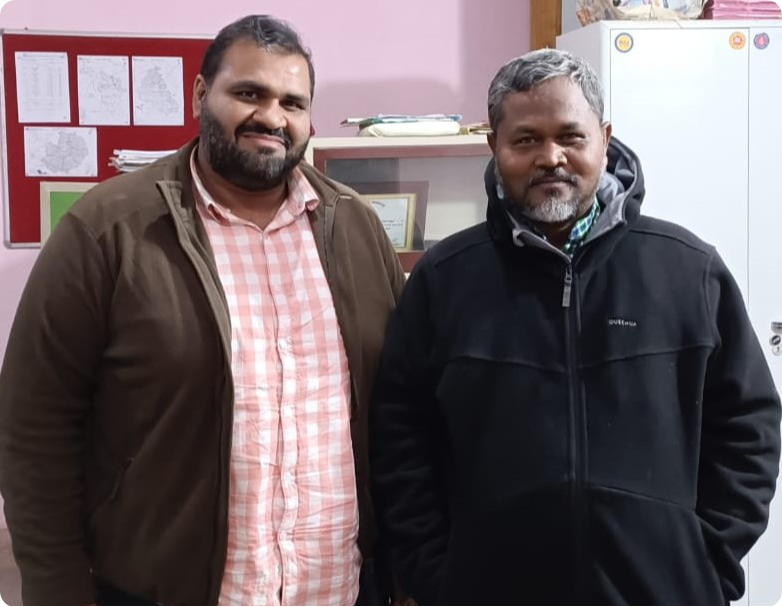
When The George Institute for Global Health and the NIHR Global Health Research Centre for Non-communicable Diseases and Environmental Change began working on food systems and nutrition in Surguja, Ganga Bhaiya was among the first people to support and guide our efforts. Today, we are working with communities in the same geography to implement a co-designed nutri-garden intervention package.
Throughout this process, it became increasingly clear that documenting research findings alone is not enough. It is equally important to record community voices, experiences, and knowledge.
Ganga Bhaiya views this subject through many different lenses. He carries memories of a time when almost every household had small home gardens, called “Ghanuchi Bari” in the local language. He has witnessed these traditions weaken over time, and he continues to work actively on issues of nutrition, food rights, and self-reliance. This article is an attempt to bring to light some of his insights through the many conversations we’ve had over the years.
Traditional and Cultural Roots
Ganga Bhaiya recalls, what we today call a “kitchen garden” or “nutrition garden” is not a new concept for tribal communities. It has been part of their lives for generations.
Reflecting on those days with a smile, he recalls a question someone once asked him:
“Why teach kitchen gardening to tribal communities? They have been doing it for generations.”
Indeed, there was a time when most tribal households in Surguja maintained “Ghanuchi Bari”. Water used for washing utensils, cleaning hands and feet, and other household purposes flowed out through a designated outlet. This water was then used to maintain a small garden beside the house. In regions with limited water resources, it was an extremely practical and sustainable method of reusing water.
These gardens commonly included Moringa (Drumsticks), Kundru (Ivy Gourd), Gachh Bhata (a perennial local brinjal variety), indigenous tomatoes, traditional chilli varieties, Kuhda (a local pumpkin variety), and many other local plants. One of the greatest advantages of these crops was that they did not need to be replanted repeatedly. Once established, they would continue to provide food for years.
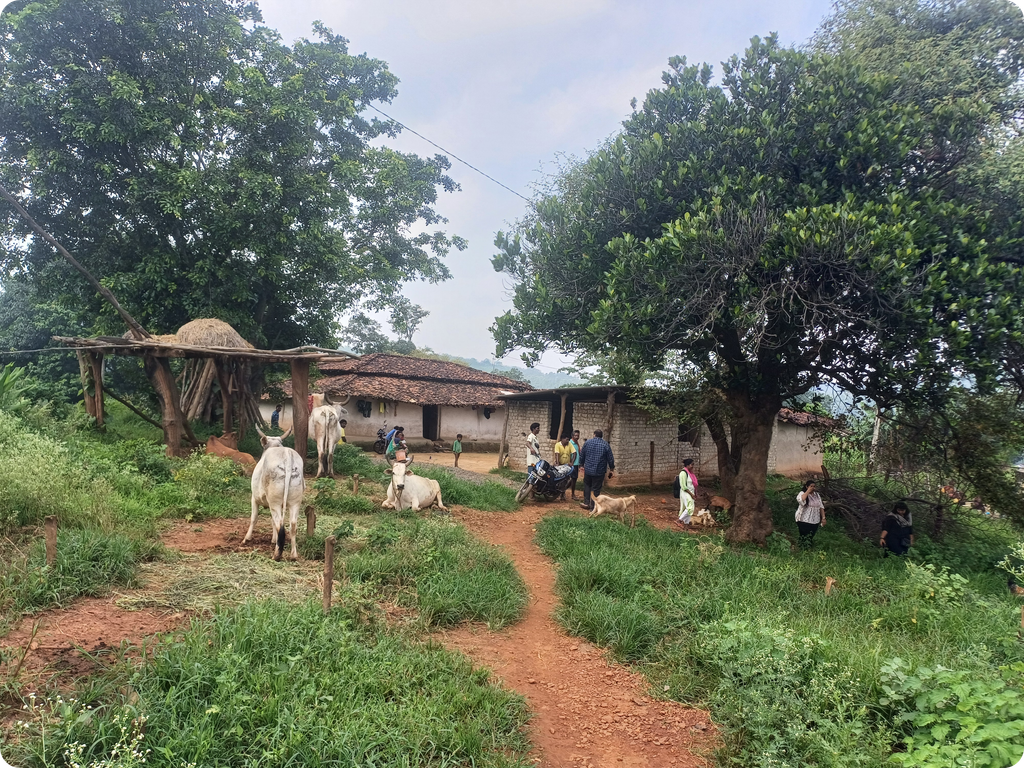
Markets were often far away in those days. Many families were unable to visit them regularly. As a result, the vegetables grown around the house served as a reliable source of food security. Families also dried and stored various leafy vegetables for future use, so they would have food available when fresh supplies were limited.
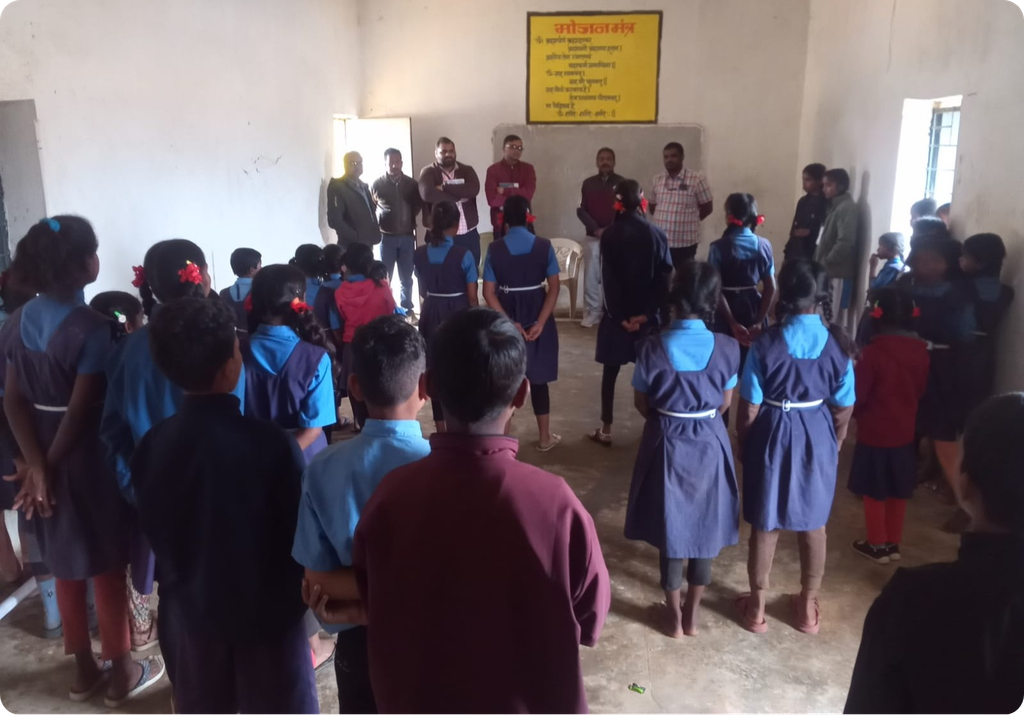
One of the most interesting memories of Ganga Bhaiya is one that relates to his school days. He recalls that during the 1970s, handicrafts and gardening were an integral part of school education. In schools, each student maintained a small plot where onions, garlic, leafy vegetables, and other crops were grown. Students were responsible for watering the plants, caring for them, and seeing them through to harvest. These activities were also graded and contributed to their assessment.
Looking back, he feels that education at the time was not limited to textbooks. It sought to connect children with labour, agriculture, nature, and food production. It was a period when household gardens and school gardens together helped sustain local food systems.
At home, women played a particularly important role in this entire system. Responsibility and leadership for maintaining household gardens rested primarily with women. Men provided support, but the centre of decision-making and day-to-day care was with women themselves.
Why did these traditions decline?
If nutrition gardens were so valuable, why did they gradually become less common?
Ganga Bhaiya points to several reasons but believes the expansion of markets to be the most significant. Earlier, weekly village markets, also known as ‘Haats’, were the primary means of purchasing supplies. Today, weekly markets are available in almost every village and Panchayat. Vegetables are easier to purchase, and people have gradually become more dependent on markets than on their own production.
A second major change has occurred in forests. In the past, forests provided a wide range of edible leafy vegetables, tubers, flowers and mushrooms. However, increasing forest fires, deforestation, plantation of non-native species, large industrial projects and growing human pressure on forests have affected local biodiversity.
A third factor is perhaps generational change. Younger people are increasingly drawn towards market-based food systems rather than traditional household gardens and food practices. Family fragmentation and shrinking landholdings have also contributed to this decline. Where one family once lived, several families may now share the same space, leaving little room for home gardens.
Together, these interconnected changes have weakened the food systems that were once an integral part of community life.
Why are Nutrition Gardens relevant today?
Drawing from decades of experience working with communities in Surguja, Ganga Bhaiya sees nutrition gardens as more relevant today than ever before.
He asserts that large-scale cultivation is primarily market-oriented. To maximise production and improve the appearance of crops, farmers often rely on chemical fertilisers and pesticides. Household gardens, in contrast, are primarily intended for family consumption and are generally managed through organic methods.
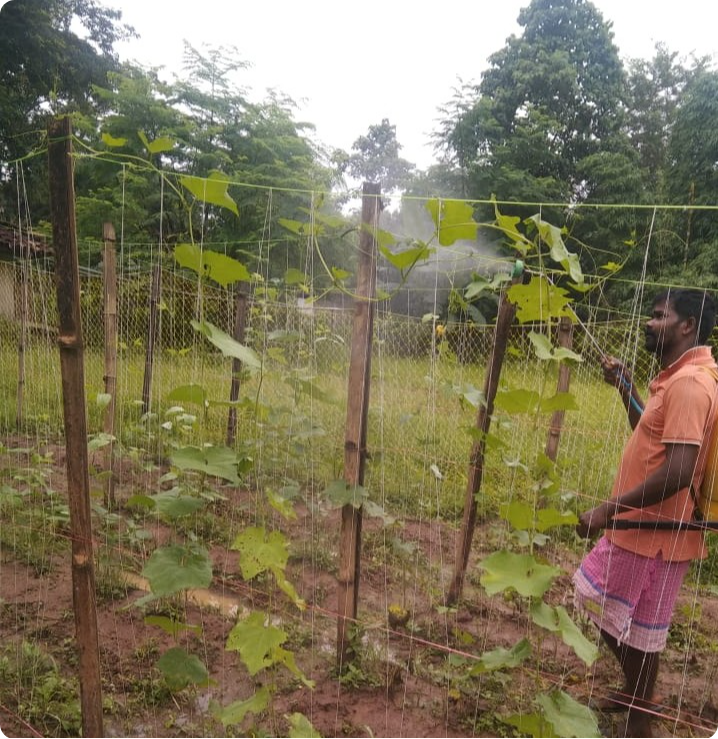
In his view, if society becomes completely dependent on markets, dietary diversity will decline and traditional food systems will also gradually disappear. Crops such as moringa, kundru, gachh bhata, indigenous tomatoes, traditional chillies, local papaya varieties and kuhda are not merely food crops; they are also part of the cultural and biological heritage of tribal communities.
It is within this context that the Centre’s nutri-garden intervention package becomes important. He does not view it as a completely new idea, but rather as a process that connects traditional knowledge with modern nutritional science. He believes that research should help explain and demonstrate the nutritional value of local crops. If communities are able to understand how nutritious their traditional foods are, both respect for and interest in these foods will naturally increase.
The Way Forward
Nutrition gardens can only succeed if local knowledge remains at the centre of the effort. It is important not only to promote new or external crop varieties but also to include and strengthen local species.
Ganga Bhaiya places particular emphasis on documenting local crops, leafy vegetables, tubers, and traditional foods in a systematic manner. During our conversations, he once proposed an important idea: creating a “Food Diary” of Surguja’s traditional food systems. Such a resource could provide detailed information about local foods, their availability, uses, and nutritional value.
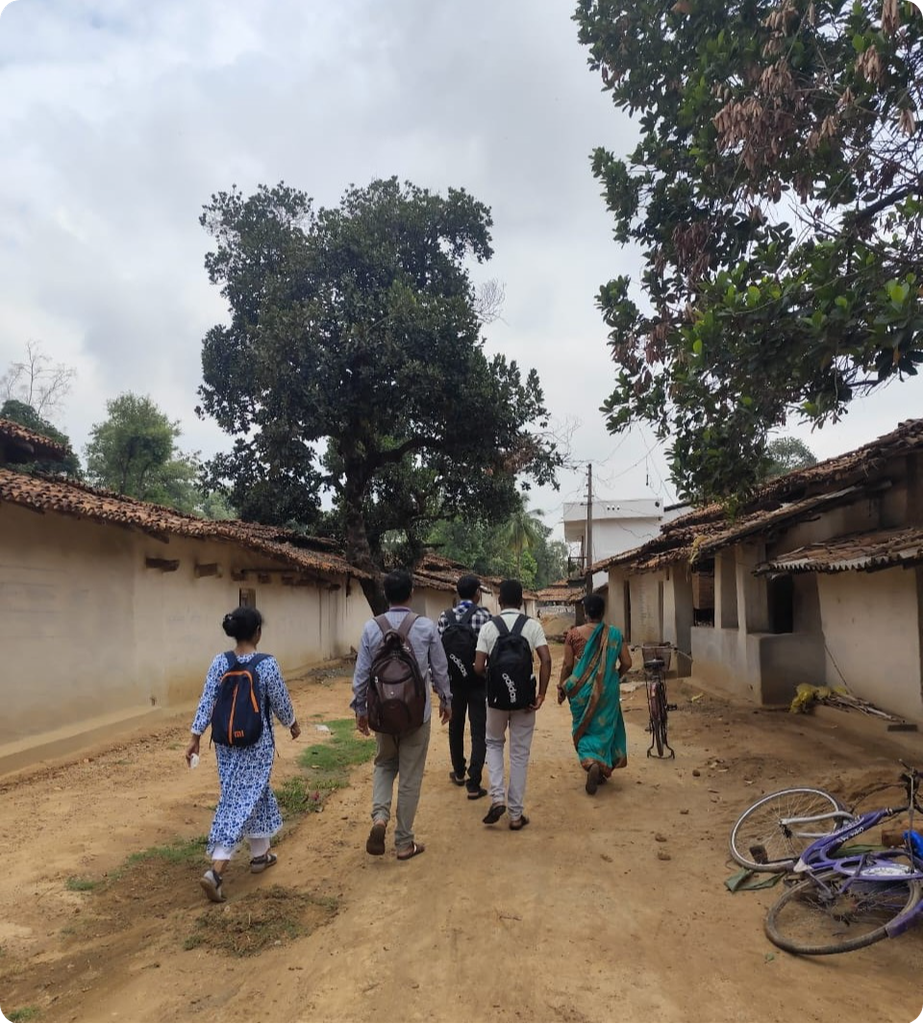
In his view, women’s self-help groups, Panchayats, schools and community organisations can all play an important role in strengthening these efforts. It is equally important to share learning with other non-governmental organisations so that initiatives do not come to an end when a single project concludes.
At the policy and governance level, he believes broader collaboration is necessary. Departments responsible for health, agriculture, education, women and child development, and rural development all recognise the importance of these issues. The need is for these institutions to work together and treat nutrition gardens not merely as a project activity, but as a broader community and development priority.
From Ghanuchi Bari to the Future
Throughout these conversations, one message emerged repeatedly: a nutrition garden is about much more than growing vegetables.
It is linked to community memory, tradition, taste, self-reliance and identity.
Ganga Bhaiya explains that even today, the taste of indigenous tomatoes and chillies grown around his home feels distinctly different and better than vegetables purchased from the market. It is this experience that continues to keep him connected to the idea.
He believes that regardless of how modern agriculture becomes, society will eventually need to return, in some form, to organic and local food systems. At the same time, if local varieties and traditional knowledge are not protected, future generations will be deprived of them.
That is why he repeatedly says:
“A Ghanuchi Bari is not for income; it is for nutrition.”
Perhaps that is the most important message. Nutrition gardens are not merely a legacy of the past; they can form the foundation of future food security, better health, local biodiversity, and community self-reliance. Understanding, preserving and revitalising the systems developed by our ancestors has never been more important than it is today.
——————————————————
This blog was authored by Maroof Khan in collaboration and conversation with Gangaram Paikra
About Maroof Khan –
Maroof is the Community Engagement and Involvement (CEI) Manager for the NIHR Global Health Research Centre for Non-Communicable Diseases and Environmental Change. He oversees the planning and execution of CEI initiatives in India and supports CEI coordination in Bangladesh, India, and Indonesia. Working closely with researchers, policy makers, and civil society organisations to bring community voices to the forefront in public health research.
About Gangaram Paikra (Ganga Bhaiya) –
Gangaram Paikra is the founder and director of Chaupal Gramin Vikas Prashikshan Evam Shodh Sansthan. For more than 40 years, Ganga Bhaiya has worked on issues relating to the Right to Food, nutrition, health, equality, dignity, and tribal communities’ rights over natural resources. Advocating for and mobilizing communities to access forest rights, food security, livelihoods, healthcare, and employment. Ganga Bhaiya’s ongoing efforts continue to inspire initiatives aimed at strengthening the rights, dignity, and self-reliance of marginalized communities.