
With more than ten years of experience in public health, I embarked on a new chapter in my professional journey as a Research Officer, navigating into a new domain of public health through food systems research with The George Institute for Global Health, India.
Stepping into this role brought mixed feelings of excitement, curiosity, and uncertainty. When I was given the responsibility of a new research project in a new place -Surguja, Chhattisgarh- I felt the excitement of getting an opportunity to build something meaningful from the ground up, with a healthy dose of uncertainty about managing a research project of this scale.
The project quickly became both a professional responsibility and a personal learning journey. Managing it in, what was then new territory pushed me to think beyond activities, timelines, and coordination. It required me to reflect on how every field decision could influence community participation, evidence, and the quality of the study itself.
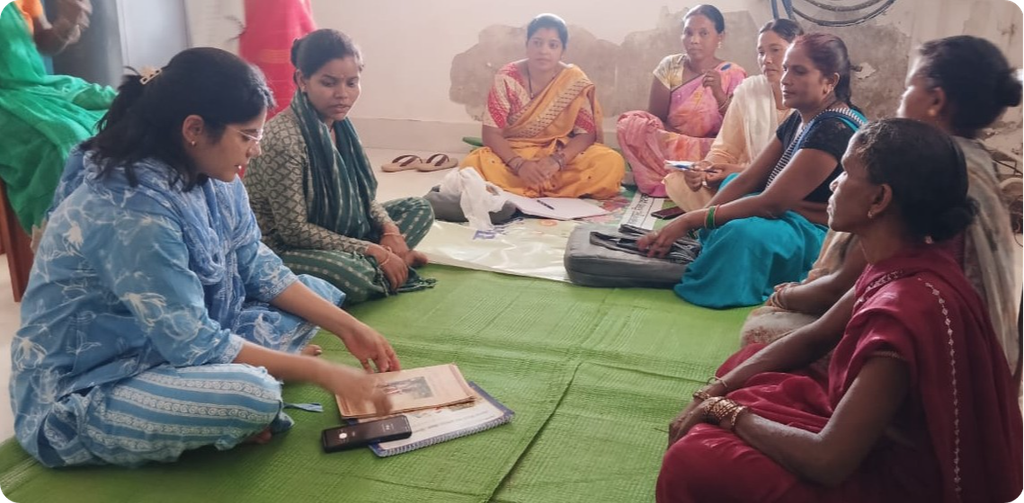
In those early days, I’d often ask myself: Where do I start? Whom should I speak to first? How do I introduce the study in a way that people can easily understand?
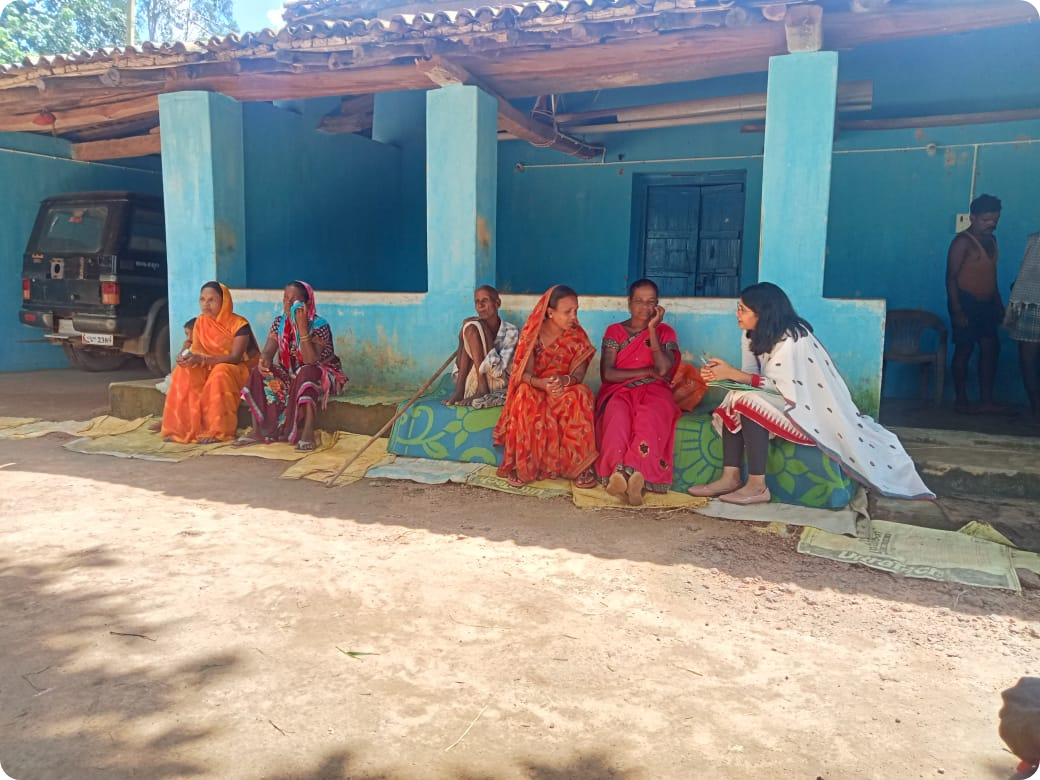
Visiting villages and informal, long discussions with local stakeholders answered a few questions. Slowly and steadily, I began to realise that uncertainty is not always a barrier; sometimes it is the space where learning emerges.
A Day at a Time
The Institute did not have an established presence in Surguja, which meant initiating and establishing many of the systems vital towards supporting smooth research processes. Instead of trying to resolve every uncertainty immediately, I decided to take one day at a time. And each day brought a new learning opportunity.
When we began, there was no field network, no office and no staff, so building relationships with local grassroots organisations became an essential first step.
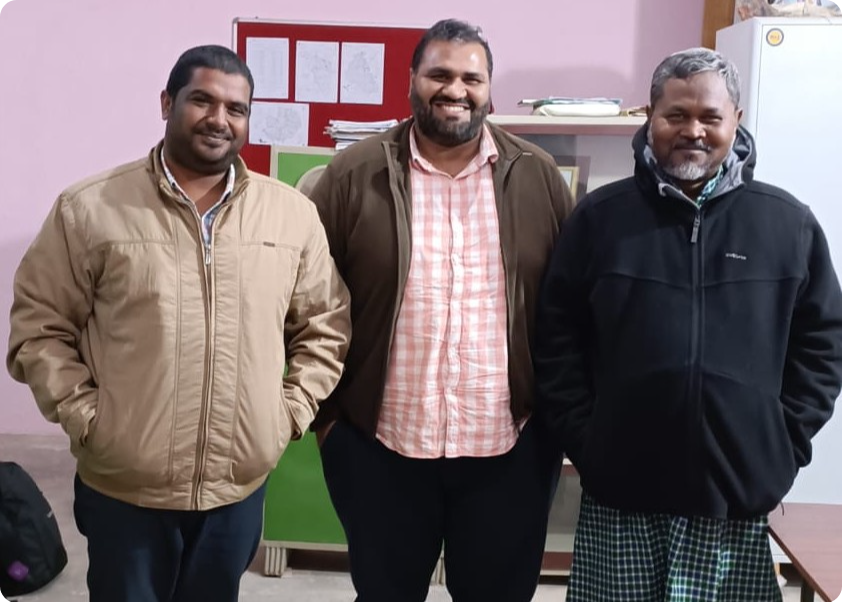
One can’t emphasise enough the support and generosity of spirit of the local NGOs Chaupal Gramin Vikas Prashikshan Evam Shodh Sansthan, India and Sangwari: People’s Association for Equity and Health, who not only gave us our first workspace in their offices but also allowed us to build on their familiarity with the area, along with their relationships with government departments and community networks. Our gratitude for their warm support and assistance in identifying project sites and stakeholders remains immeasurable.
We began with understanding the geography, selecting primary health centres, panchayats, villages, schools and Anganwadi Centres (AWCs), discerning community dynamics and identifying people who could support the study. A road that may have looked short on maps could take much longer in reality; a formal permission could depend on several informal conversations; and one lone trusted local voice could open doors that official letters could not.
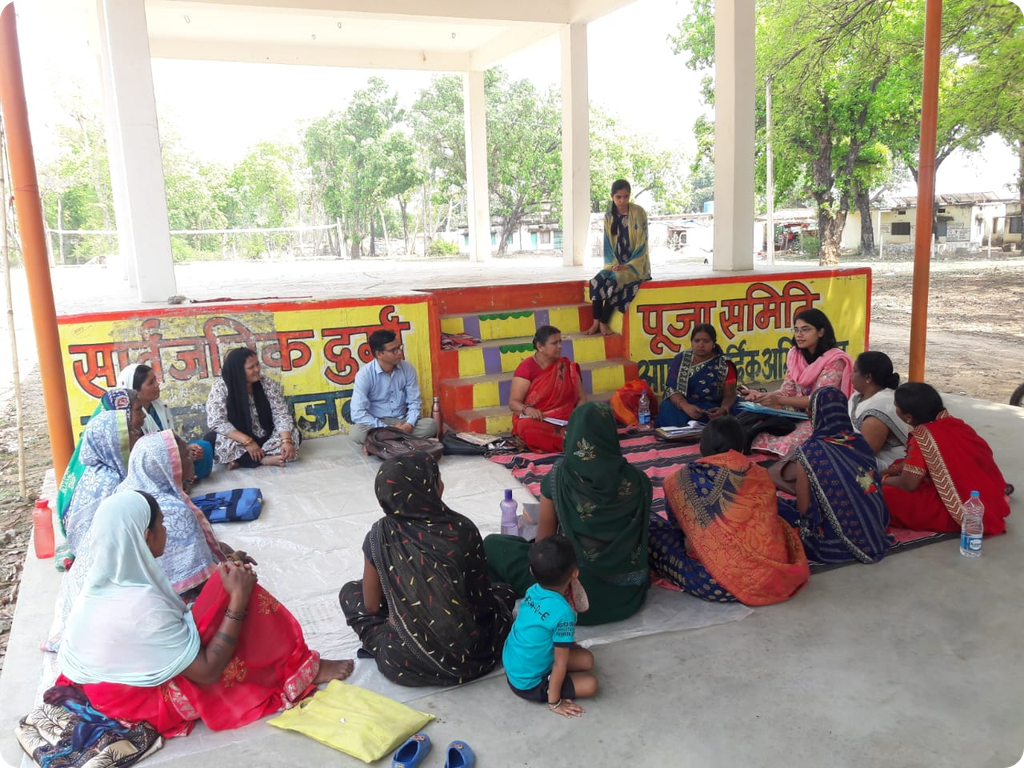
Neither quick nor easy, the work required patience, continuous effort, and collaboration. Even simple decisions such as which route to take to reach villages, which local leader or community member to approach, and how to communicate the purpose of the study in terms that the community would understand and support, required time and local validation.
This gradual approach helped us remain focused while building the foundation required for the research.
From Research Protocols to Field Realities
While a research protocol provides structure and scientific direction, the field rarely follows it exactly as envisioned.
For example, the establishment of nutri gardens emerged from co-production meetings with various stakeholders. And, as an idea on paper, it was straightforward enough. Community-managed gardens would produce vegetables that would be supplied to schools and AWCS through institutional feeding programs to be incorporated in meals for children. But translating this idea into intervention activities required us to answer a myriad of practical questions such as
Who would establish and manage the gardens? Where would they be located? Would water be available throughout the season? Would farmers have the necessary land and time? How could supply throughout the year be ensured? How would the produce reach the schools? What would happen when crops failed or weather conditions changed?
In answer to these pertinent questions, we co-created solutions with farmers, school staff, AWC staff, community health workers and community members. During discussions, farmers shared their practical wisdom about vegetable farming, crop selection, and seasonal uncertainties. Some spoke about preparing their own organic fertilisers for plant growth and using locally available materials like wood ash for pest control.
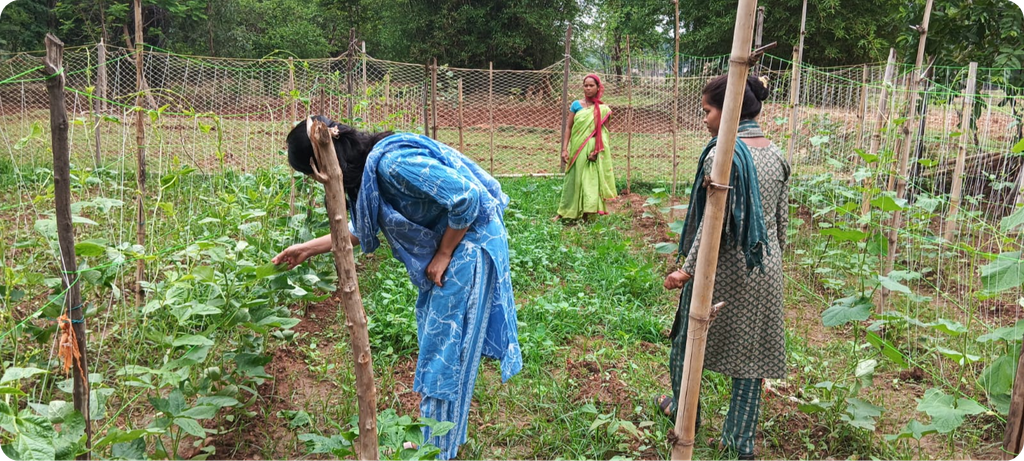
These conversations reminded me that communities aren’t just beneficiaries of an intervention; they are the co-architects of research design and play a critically valuable part in shaping it with their own knowledge and experience. Co-designing the intervention with stakeholders helped ensure that it remained grounded in local realities rather than being imposed as a fixed external model.
This not only helped fill the gap between designing and managing the implementation of a complex intervention, but it also connected and brought into harmony the research objectives with the realities of the field.
Managing Multiple Stakeholders with Different Priorities
Stakeholder engagement is a core component of implementation research, and it determines whether an intervention remains a plan on a piece of paper or becomes an actionable strategy that communities can actually own.
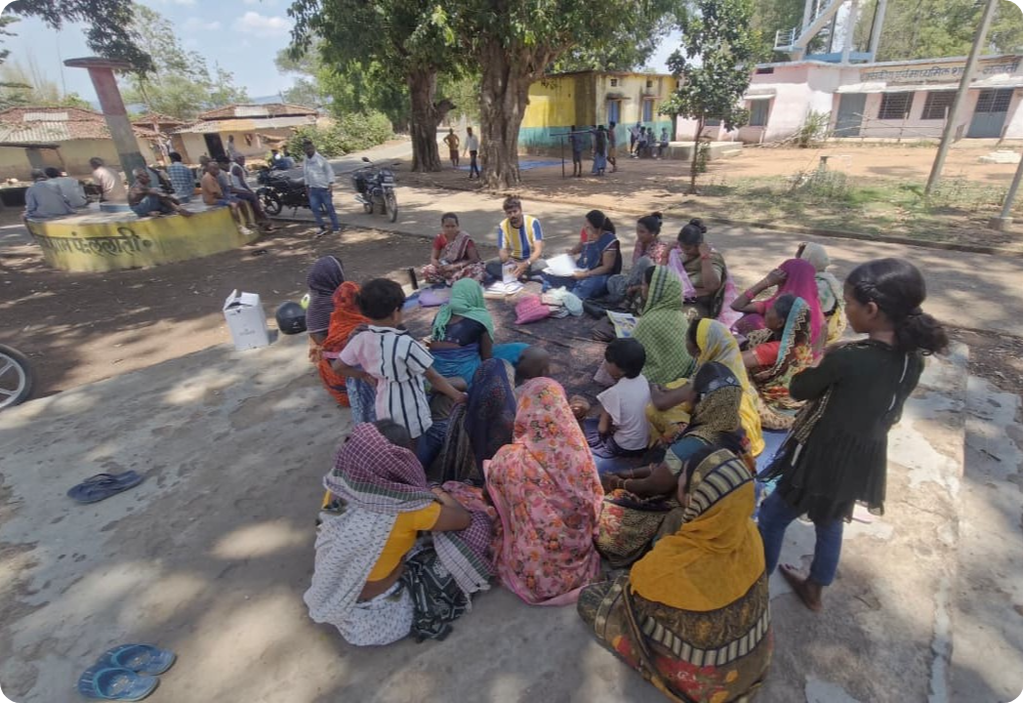
Our work required co-ordination among communities, farmers, schoolteachers, cooks, Anganwadi workers, Mitanins, civil society organisations, and government stakeholders from multiple departments, along with Panchayati Raj Institutions (PRIs). Each stakeholder had different responsibilities, priorities, and timelines.
Farmers had their competitive and labour-intensive agricultural and livelihood responsibilities. Government stakeholders had their own administrative processes. The research team had study timelines and methodological requirements.
A strong protocol and a committed team are no guarantee of a successful research project or indeed one that moves forward. It only does so when people, the different stakeholders, begin to see their own role in it.
For teachers and Anganwadi workers, it was about children getting diversified meals; for Mitanins, it was about improved awareness within the community; for farmers, it was about whether the organic vegetable farming was practical and economically viable; and for the research team, it was about generating evidence.
Building Systems, Not Just Completing Activities
Managing a research project is not simply about ensuring that planned activities are completed on time; it is also about creating systems which allow the intervention to function consistently across multiple locations.
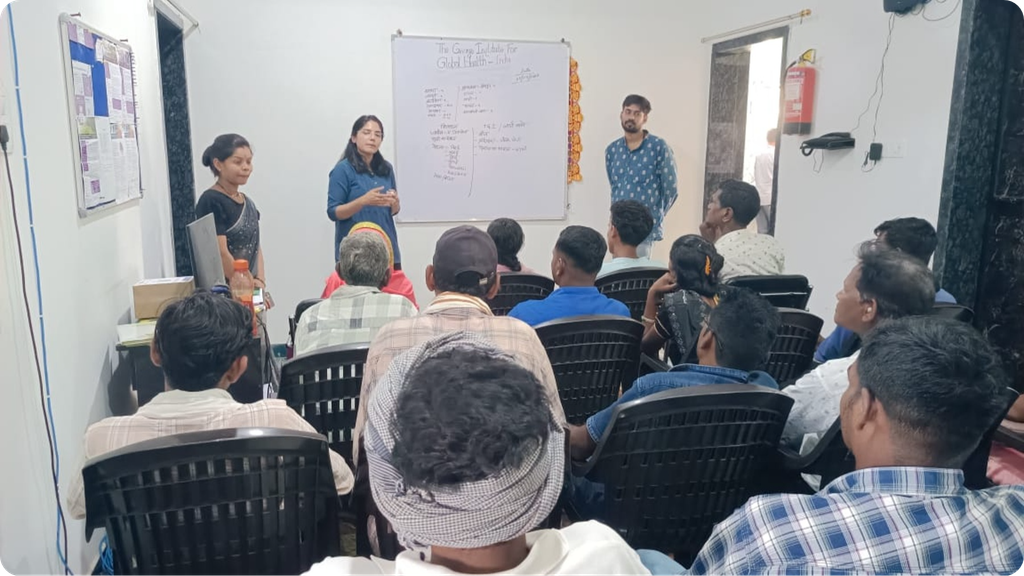
It’s about developing monitoring mechanisms, clarifying roles and responsibilities of team members, coordinating and handholding field teams, continuous on-field training and the capacity building of program implementers, documenting deviations from the original plan, managing risks and maintaining regular communication with both internal and external stakeholders.
Research project management in the field requires translating protocol objectives into practical actions, adapting to realities without losing sight of the intervention goals, and documenting adaptations made along the way. A key lesson that I will carry forward is the importance of understanding local context, building relationships and setting up clear systems. The challenges that crop up in the implementation of research are not just operational problems; they are untapped opportunities that offer valuable insight into the feasibility, acceptability and sustainability of an intervention.
While the journey of the project continues to unfold, this experience has already deepened my understanding of implementation research. It has taught me that stepping into a leadership role in a new place is not about having all the answers from the first day. It is about being willing to learn, ask, adapt and keep people at the centre of the work.
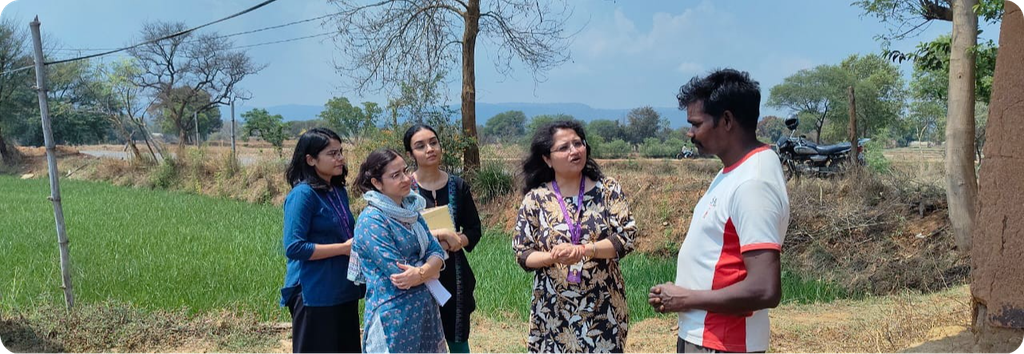
Looking back, I feel that the most vital work often begins before the formal activity.
Acknowledgement
I sincerely acknowledge the support and guidance of my mentors, supervisors and colleagues throughout this learning journey and special thanks to the late Bulla Sudhakar Reddy, who was an indelible part of this journey. I am grateful to the project team, field staff, local organisations and government stakeholders from the departments of education, women and child development, agriculture, horticulture and Panchayati Raj Institutions for their cooperation and continued engagement. I would also like to extend my heartfelt thanks to the farmers, schoolteachers, Anganwadi workers and helpers, Mitanins, cooks, community members and children whose participation, knowledge and trust helped shape the intervention.
——————————————————
This blog was authored by Sangeeta Sharma with valuable contributions by Dr. Suparna Ghosh-Jerath
Notable mention for field implementations by Sudhakar Bulla Reddy, Resham Lal Sonwane, Krishna Kumar Singh.
About the author:
Sangeeta Sharma- Sangeeta Sharma is a Research Officer at NIHR Global Health Research Centre for Non-Communicable Diseases and Environmental Change. With more than a decade’s experience in the public health field, Sangeeta has contributed to numerous projects. Implementing programs pertaining to mother and child health, infectious and non-communicable illnesses, community health worker capacity building, monitoring, and evaluation.
Dr. Suparna Ghosh Jerath– Suparna is a nutritionist by training and has more than twenty-six years of experience as a clinical, academic and research nutritionist. Dr. Ghosh – Jerath is the Program Head for Nutrition at The George Institute for Global Health, India. Her research interests include developing innovative tools for nutritional assessment, evaluation of nutrition-specific programs, developing low-cost food-based solutions to address malnutrition and food policies to address non -communicable diseases in India.
This research was funded by the NIHR (NIHR203247) using UK international development funding from the UK Government to support global health research. The views expressed in this publication are those of the author(s) and not necessarily those of the NIHR or the UK Government.