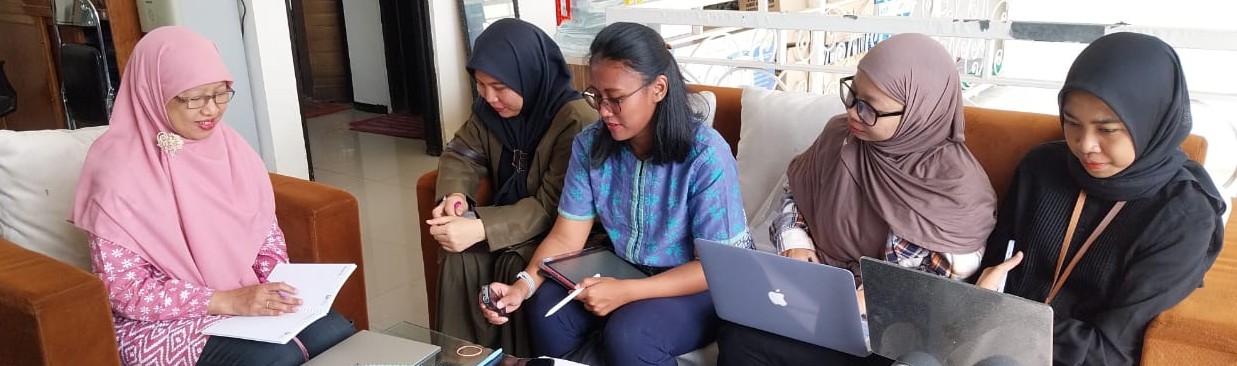
The Women Behind our CEI Journey
The Community Engagement and Involvement (CEI) journey within the NIHR-funded Global Health Research Centre for Non-Communicable Diseases and Environmental Change has never been a linear path governed solely by technical guidelines and research protocols. It remains, since its inception, a deeply human story woven by five female researchers-Rizka, Sekar, Mili, Meutia, and Dea-each bringing their different backgrounds, expertise, and perspectives to enrich the experience of our fieldwork in Malang Regency, East Java, Indonesia.
Rizka (Rizka Amalia), from East Java is a lecturer and Head of the Laboratory of Rural Sociology and Community Empowerment at Universitas Brawijaya. She brings a deep passion for grassroots empowerment. As the CEI Lead for the NIHR project, Rizka is driven by a core belief that health and environmental initiatives must never be top-down mandates, but rather living solutions built directly around the real-world experiences and wisdom of local communities.
Sekar (Sekar Aqila Salsabilla), from West Java, is a doctoral candidate in Administrative Sciences at Universitas Brawijaya. Fascinated by how public policy meets every day human lives, Sekar’s previous experience evaluating local health initiatives like the SMARThealth program sparked her unwavering dedication to fieldwork and research that aims to improve environmental and community health systems from the inside out.
Mili (Serius Miliyani Dwi Putri), from East Java, initially joined as a Project Manager at the NIHR Project, giving full flight to her knack for organisation to keep complex research plans moving smoothly. Her natural affinity for people and problem-solving seamlessly drew her into research management for CEI, where she channels her considerable skills into making sure that the logistics of research always integrate respectful engagement on the ground.
Meutia (Meutia Fildzah Sharfina), from Central Java, is a Research Fellow focusing on Primary Health Care. Her adroit and meaningful collaborative relationships with district health officers, public health centres (Puskesmas), village nurses, midwives, and health cadres have helped transform formal coordination processes into human partnerships.
Dea (Dea Aginta Karina Br Tarigan), from North Sumatra, is a Research Assistant focusing on Multisectoral Interventions. Her work is anchored in connecting institutional support with multi-sectoral action at the grassroots level. Dea has been pivotal in building warm relationships with district environmental officers, village governments, and environmental cadres, dexterously turning routine bureaucratic coordination into authentic people-centred partnerships.
We, with this diverse range and combination of roles and backgrounds, embarked on our CEI journey together in six research villages in Malang, East Java Regency. What follows is a reflection on our experiences, the lessons we have learned, and the deeper insights we have gained from working at the grassroots level.
Opening Formal Doors and Facing the Realities on the Ground
When we first entered the six villages, we knew, clear as day, that we could not simply arrive as outsiders expecting communities to provide us with data. Our first step was therefore to establish formal access through government structures, including the Health Office, Environmental Agency, and district, sub-district, and village governments.
Our field experience quickly taught us an important lesson: even though we had formal approval letters, institutional support, and official endorsements, they could only open the physical and bureaucratic doors to a village. They could not automatically create trust for us among the local residents.
We needed to make people feel respected, comfortable, and safe in our presence.
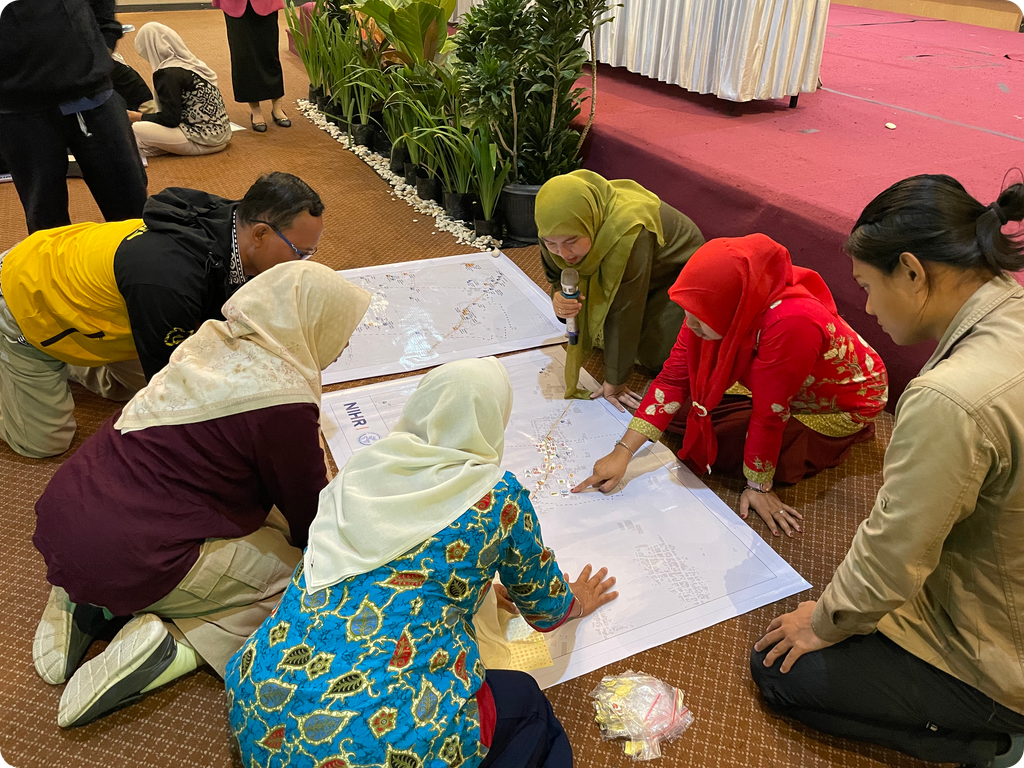
We adopted an organic, community-based approach. We went knocking on doors, visiting village offices, identifying relevant stakeholders through stakeholder mapping, and exploring networks of faith-based organisations, which are an important part of everyday social life in Indonesia. Regular gatherings held by these faith-based organisations provided opportunities for the team to approach community members, build familiarity, and gradually establish trust.
Through different pathways, health cadres, neighbourhood leaders, and hamlet heads became some of our most strategic early partners. Together, we explored the issue of air pollution through their own experiences and perspectives – discussing practices such as plastic burning, the impacts that these practices can have on health and daily life, and what solutions might be realistic within the community. Rather than simply raising awareness, these discussions created a space to examine the problem collectively and think through possible responses together.
Over several engagements, this process gradually shifted perceptions, as practices that may initially have seemed harmless, such as burning plastic, came to be recognised as the critical problem it is, with real consequences for the community. As their understanding grew, they began to take the message beyond the discussions, speaking up when they saw waste being burned and encouraging others to reconsider practices that could harm their health and environment.
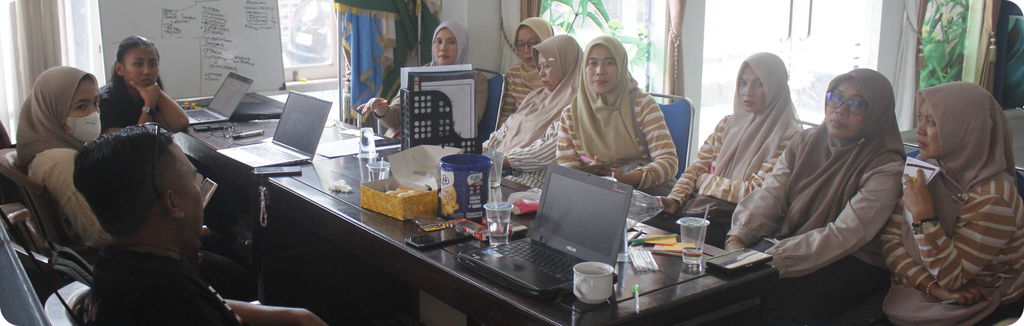
Health cadres, as local residents who are actively involved in community health and environmental initiatives, helped us harness their existing bonds with community members.
Their deep familiarity with local issues also helped us establish early trust and facilitate a forum for discussion where community perspectives could come to the fore and we could build a shared awareness about the dangers of plastic waste burning and how it affected communities.
Building Trust Through a Process that Humanises Research
To foster trust, one must be patient and generous with time. Maintaining a consistent presence across six villages with limited human resources was not easy. Long travel distances often resulted in fatigue and limited the amount of time we could spend in the field. Having a CEI team proved essential in overcoming these logistical challenges. Rather than treating field visits as fleeting administrative tasks, our team made a concentrated effort to maintain a persistent, human presence on the ground. We went beyond formal gatherings, actively engaging in “door-knocking”, visiting residents directly at their homes to introduce ourselves, listen informally, and build rapport on their terms.
We realised that trust could not be cultivated through a simple introductory or socialisation meeting. Beyond home visits, we employed participatory approaches like circle conversations, photovoice sessions, focus group discussions (FGDs), and workshops. For example, through photovoice, we organised four to five consecutive sessions with health cadres. These weren’t just meetings for collecting photographs or visual narratives. They were interactive spaces where we could get to know one another, listen, and exchange ideas in meaningful ways.
A fundamental principle that we consistently tried to uphold was ensuring that people’s time and rhythms of life were respected. We knew that community members had jobs, household responsibilities, and family commitments that continued all the while our research was taking place. Communities are not research subjects who can simply be called upon whenever we need them to meet a reporting deadline.
Meetings were never scheduled solely according to the convenience of the research team. Instead, we adjusted our schedules to fit the time that community members were actually able to give us. By adapting our meeting schedules to fit community members’ availability, we found that more people were able to attend and participate actively in our activities.
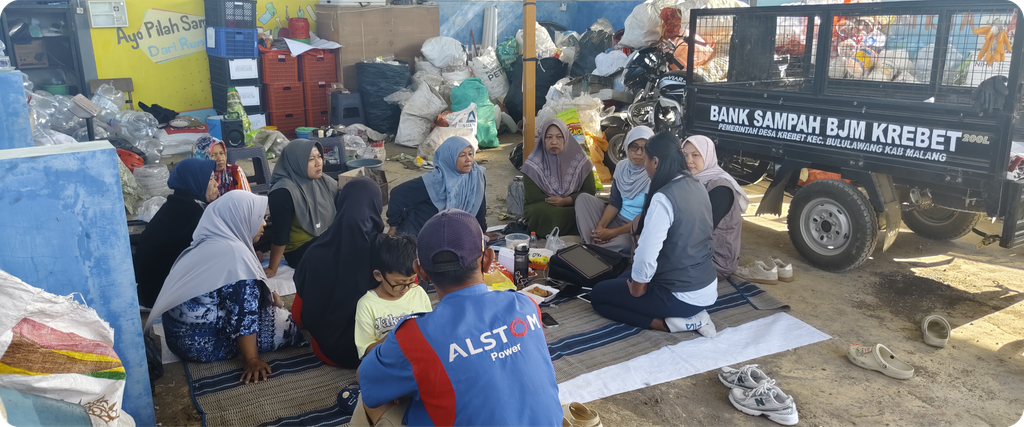
As community engagement deepened, we began to identify local champions, proactive residents and local leaders, who held the trust of their peers and demonstrated a strong commitment to environmental health. We encouraged their capacity building, trained and involved them as active facilitators in FGDs and as enumerators involved in data collection. In each village, we also identified a local spokesperson who could serve as a bridge between the research team and the wider community. They helped us understand the social context of the village while also translating the purpose of our research into language that was accessible and easy for the residents to understand. Ensuring that the relationships that had initially felt formal and distant gradually developed into more equal and active partnerships.
Small Gestures and the Art of Blending in the Community
A simple but poignant piece of advice we received from a senior member of the CEI team when we began our photovoice activities was
“Try to remember people’s names and greet them by name whenever you meet them.”
This seemingly small gesture had a surprisingly powerful emotional impact in the field. When we met health cadres or community leaders on a village road and greeted them by name, the initial formality would often melt away. People felt recognised and respected as individuals rather than feeling as though they were being treated simply as sample numbers or research subjects.
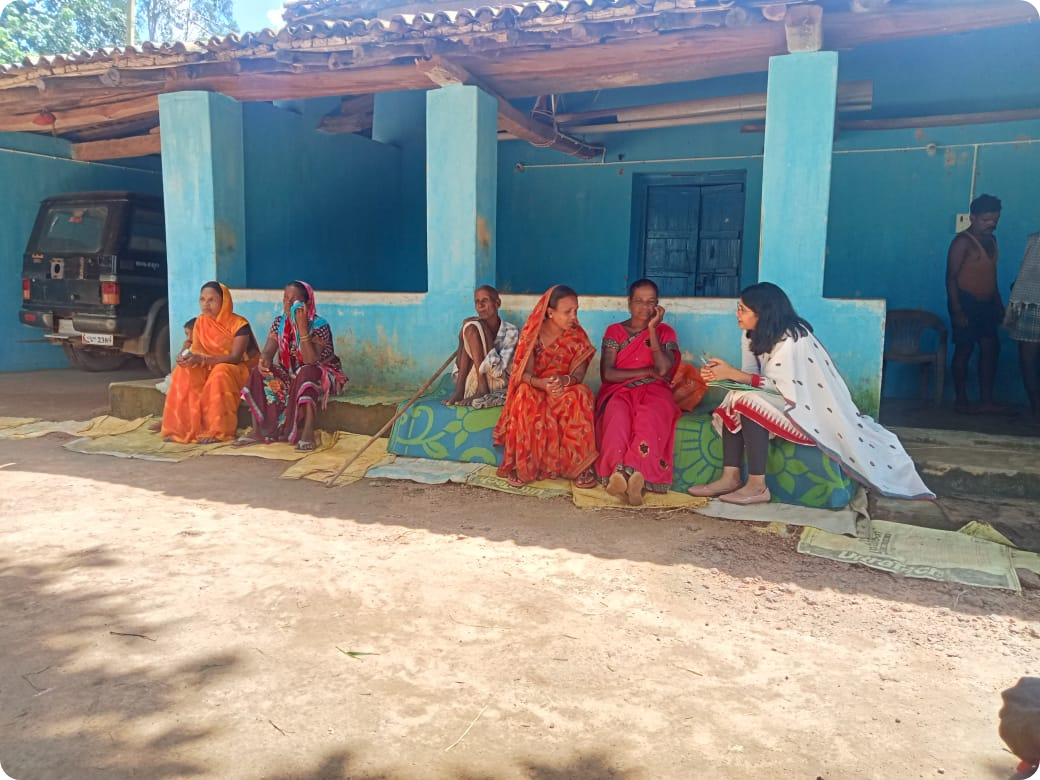
During fieldwork, we did not use the breaks between activities to sit separately with the research team. Instead, we chose to mingle with community members. We visited the homes of people involved in the research, sat casually on their verandas, and talked about everyday matters such as cooking, farming, or the harvest. We also made a conscious effort to reduce unnecessary social distance during the different activities. We shared the same boxed lunches and laughed together during informal conversations.
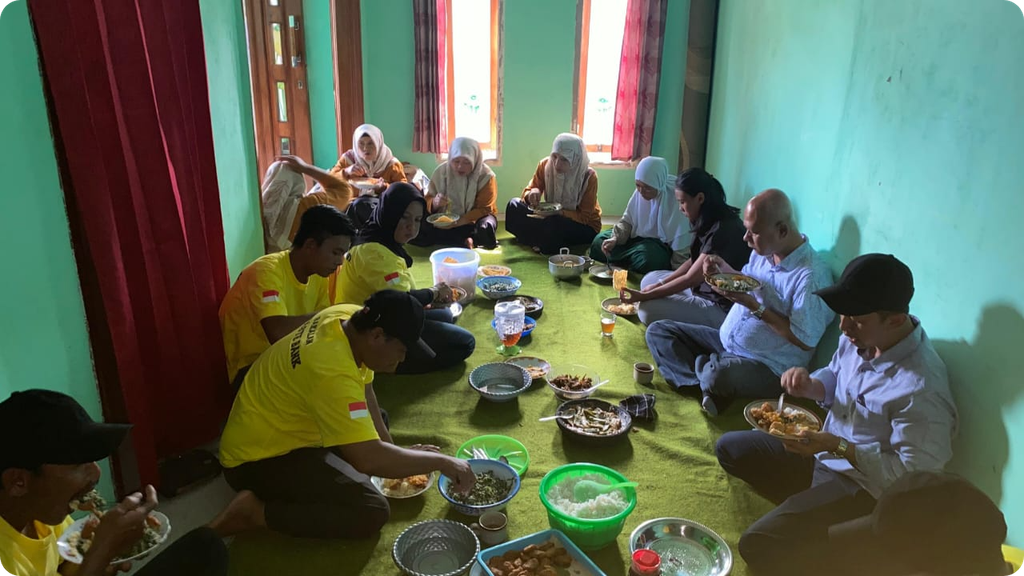
While there are no indicators on research protocols or methodology textbooks that measure how many times a researcher eats with community members or chats with them on a veranda, it was these small, barrier-free interactions that gradually transformed our research relationships into genuine human connections.
We were no longer the “outsiders from the university” who had arrived carrying instructions. Instead, we became people they could talk to. People who were willing to listen and cared about their lives.
Maintaining Trust and the Dilemma of being an “Agent of Change”
Preserving trust can be just as challenging as earning it. The trust we gradually developed significantly contributed to a high level of acceptance for both the primary health care and multisectoral intervention activities. Community members openly welcomed our team and were willing to share their experiences regarding health, household waste management, and the establishment of waste banks in their villages. However, this close emotional connection also created a new ethical dilemma for us.
Once community members fully trusted us, they not only shared research data; they also shared personal concerns, conflicts amongst themselves, and the wider social and economic problems affecting their villages. At this point, we learned the importance of setting boundaries. Even when community members felt that there wasn’t a distance between us, we needed to remain critically aware that we were outsiders. Our intention to help could sometimes lead us to become, perhaps, a little too involved in internal village affairs that fell well outside our authority or responsibilities.
Excessive intercession and involvement, even when well-intended, could disrupt the social rhythms and balance within the community. We learned that caring does not necessarily mean solving every problem that community members bring to us. Responsible care means knowing when to act, when to accompany, and when to step back so that communities can address their own challenges independently. It underlined for us the difference between long-term engagement-based research and contract-based research.
Research relationships bound primarily by formal contracts can feel distant and mechanical, resulting in an absence of ownership among community members. Trust cannot be purchased through contractual instruments.
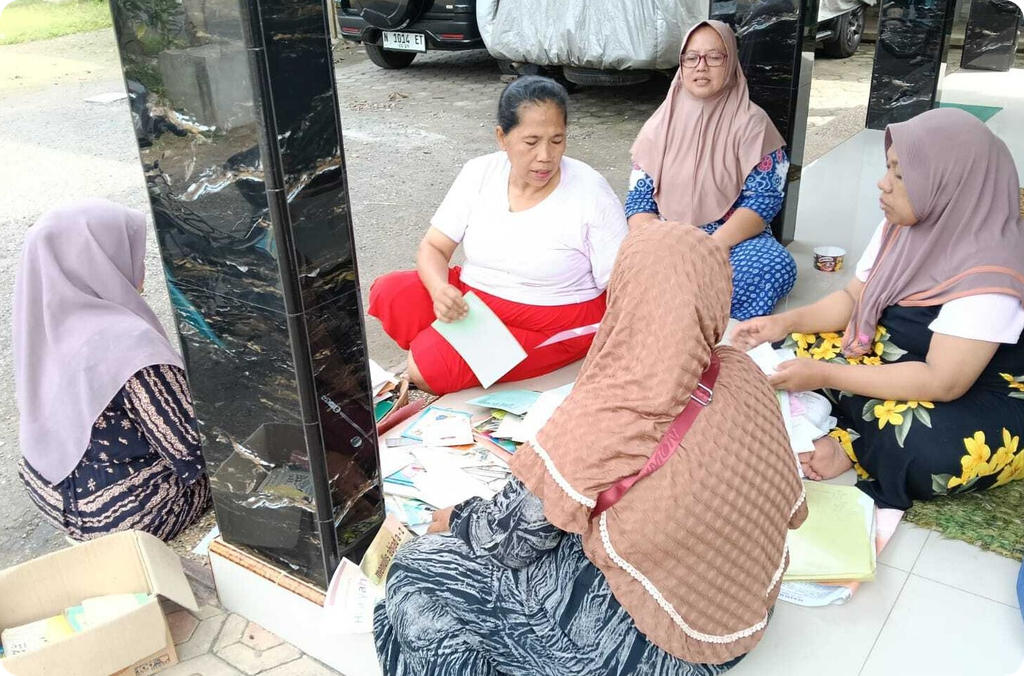
Trust requires time, consistent presence, and genuine human connection. We had to learn to navigate power relations and local social dynamics within the communities where members of our team needed to play complementary roles. While some team members were responsible for building emotional closeness at the grassroots level, others needed to convey formal authority and credibility to help bridge negotiations with key village actors.
Building trust isn’t simply about developing a closeness to people. It also requires one to understand who holds influence, how relationships operate, and which approach is suitable for each situation.
Reflection: Walking Alongside Communities
Our journey has transformed our understanding of what scientific research means and the critical role community engagement and involvement play in it. Not a mere qualitative data collection technique or an administrative requirement for research, it is an ethical and philosophical commitment to humanise research relationships.
Inherent in our field experiences were lessons that will continue to guide us in the years to come.
- Trust is built through consistency and humility. It does not emerge from promises or formal documents. It grows through consistent presence, genuine listening, remembering people’s names, respecting their time, and treating them as equal partners.
- Boundaries must be maintained with maturity. Being close to communities requires the wisdom to maintain appropriate objectivity. Researchers need to know when to step forward and offer support, when to walk alongside as companions, and when to step back and give communities the space to take the lead.
- The role of an agent of change needs to be redefined. It isn’t about turning into a hero who solves every problem for the community. Sustainable change emerges only when communities have the awareness, capacity, and space to formulate and implement their own solutions.
- We must remain humble learners. Meaningful research is not only about producing academic publications. It is also about a process of mutual learning that helps us grow. From communities, we learn humility, empathy, and a deeper sense of human connection.
“Trust is not about being close all the time. Trust is about being present, being respectful, and knowing when to step forward-and when to step back.”
Perhaps being a good researcher is not about how much we can change communities according to our own intentions. It is about how sincerely we are willing to walk alongside them-until one day; they can continue the journey of change with their own strength and independence.
——————————————————
This blog was authored by Rizka Amalia, Sekar Aqila Salsabilla, Serius Miliyani Dwi Putri, Meutia Fildzah Sharfina, and Dea Aginta Karina Br Tarigan
This research was funded by the NIHR (NIHR203247) using UK international development funding from the UK Government to support global health research. The views expressed in this publication are those of the author(s) and not necessarily those of the NIHR or the UK Government.