I’m a member of the icddr,b family, which serves a large population in Dhaka, where hundreds of patients are admitted every day with Diarrhoeal diseases. By virtue of the innovation of ORS, we don’t see as many deaths from this disease as we once did. But it still brings people to our hospitals daily, disrupting lives and livelihoods.
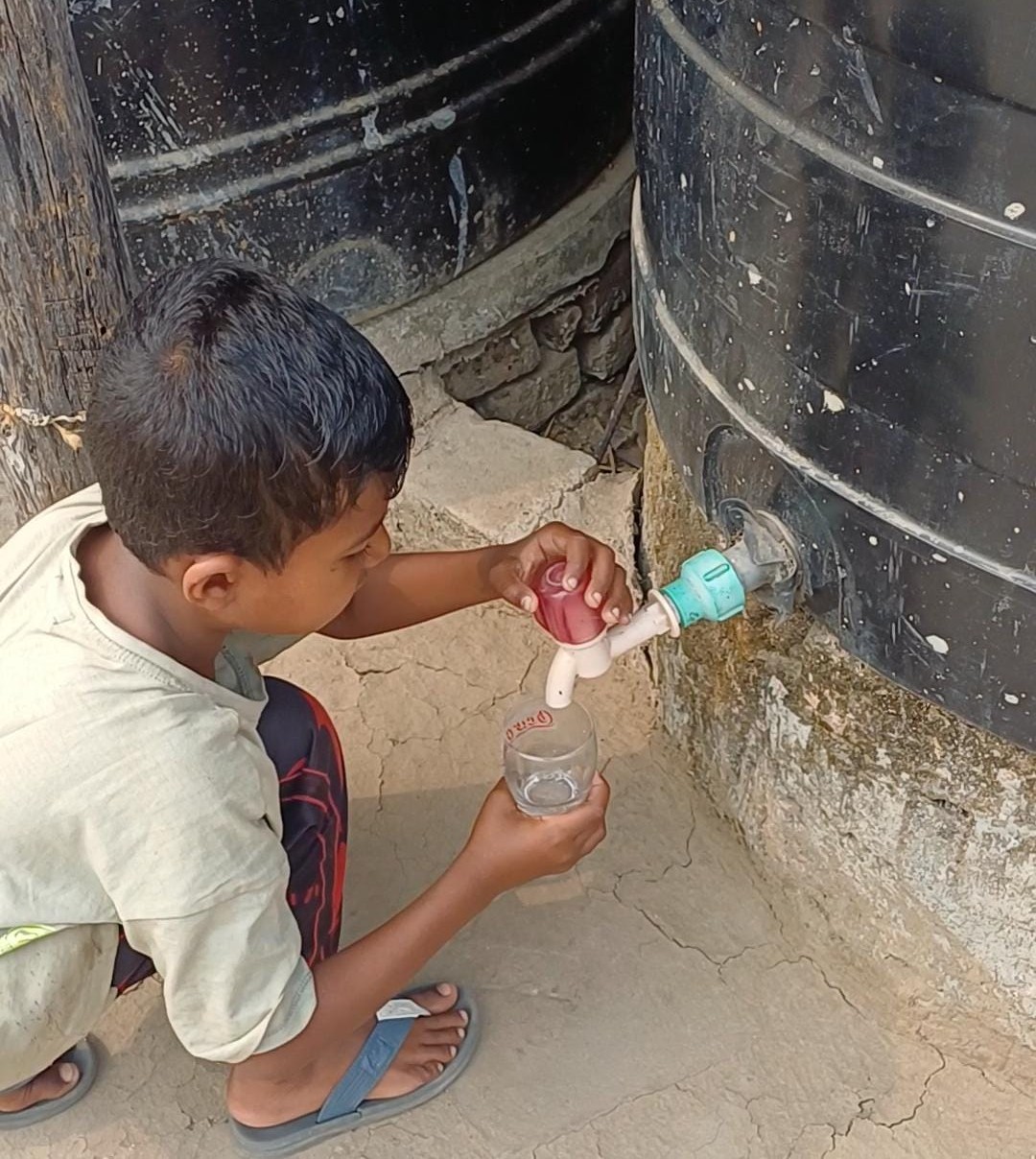
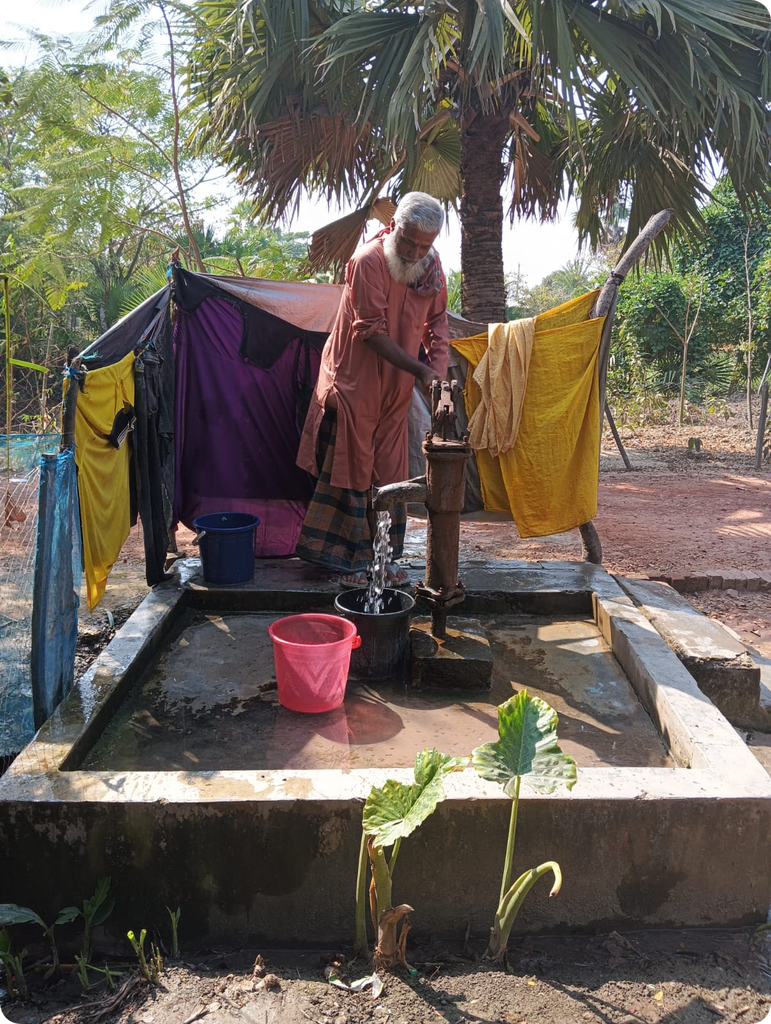
I have seen how something as ordinary as drinking water can become a source of illness. For many of us, getting a glass of water is almost effortless. We turn on a tap, fill a bottle, or reach for a glass. But that experience is very different in many coastal communities, where finding water that is safe can be a daily challenge.
If you travel to a coastal area and ask a woman about her water, she will tell you about the salt in it, not about the contamination. Yet she may be suffering from diarrhoeal disease, quite possibly from drinking that very water. For communities living with salinity, the taste of water is often the first and most visible sign of whether it is acceptable to drink. People have learned to identify which sources are too salty, which ones are available after rainfall, and which ones require a long walk to reach. But what cannot be seen, tasted, or smelled can be much harder to recognise.
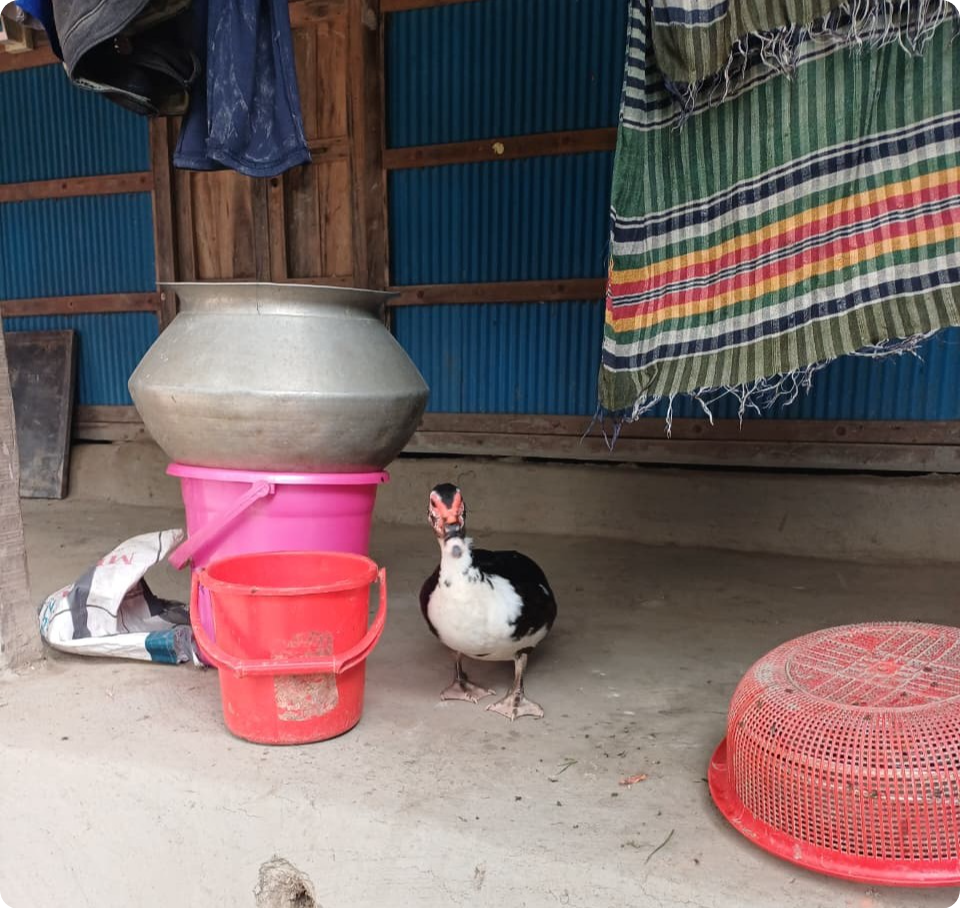
Microbial contamination is something we take seriously in our everyday life, as it causes food and waterborne diseases. But in coastal areas, it has never carried the same weight it should. Salinity dominates the conversation there, and contamination slips into the background even though it is quietly making people sick.
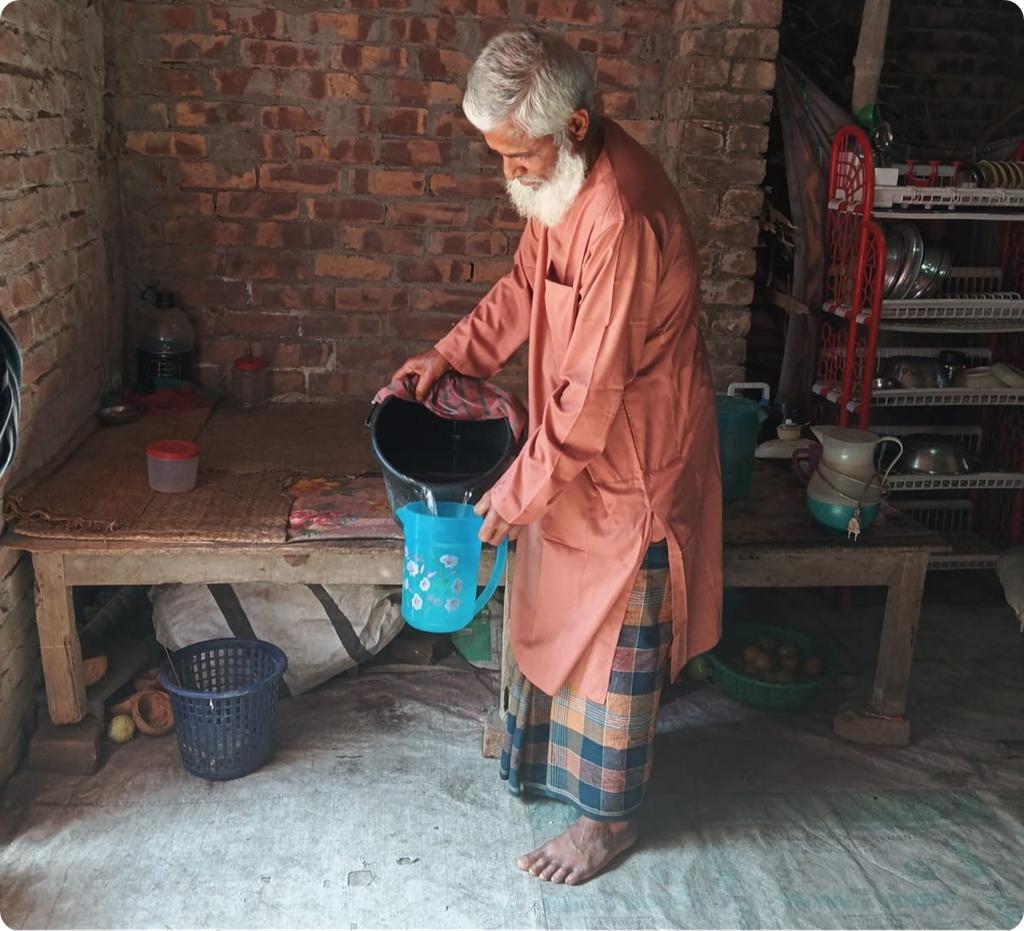
So, my team and I set out on our journey to explore the pathways of drinking water, from the moment it’s collected to the moment it’s sipped, and to find exactly where it becomes unsafe. We spoke to communities, observed their daily practices, and mapped out every point where contamination could crawl in.
Mapping the Pathways
From our findings, we drew out the full pathway of drinking water in these communities from collection all the way to the sip and marked every hazard point along the way. The findings didn’t surprise us as they matched what we had anticipated. The visual pathway showed that water doesn’t become unsafe at just one point; rather, it’s compromised at several linked moments along the way.
When we visualised the pathway, one thing was clear to us: solutions to prevent these hazards do not always have to be complicated. Sometimes, improving water safety means changing a small everyday practice or making a safer practice easier to follow. But for that to happen, the message has to make sense within people’s real lives.
From Hazards to Messages
To raise awareness in the community, we started developing the IEC (Information, Education, and Communication) messages around the hazards we identified, paired with practical solutions that communities could realistically adopt while collecting, storing, and using that water.
We wanted the messages to move beyond simply telling people what to do and what not to do. These messages needed to explain why a particular practices of the community matter and, most importantly, what people could realistically do differently.
So, we brought the messages back to the community for feedback, to check whether they matched local perspectives and daily realities. We tested them with our expert working group for technical accuracy. Then we returned to the community once more, and revised the messages based on what we had heard. We figured out the format and materials for an awareness campaign built around community mobilisation. Drafting, community feedback, expert review, and revision. Each step fed into the next, until the messages became something communities could genuinely use.
What the Journey Taught Me
My work has changed the way I look at a glass of water. It carries the effort of a woman walking under the sun, the patience of a family waiting for rain, the choices made when safe options are scarce. And the hope that what reaches the lips will do no harm.
So, from source to sip, every step matters. And in coastal Bangladesh, making each of those steps safer can turn an everyday sip of water into a simple act of health, dignity, and life. As it was always meant to be.
——————————————————
This blog was authored by Ridwana Nahrin with the valuable contributions by Dr. Aliya Naheed
About the author:
Ridwana Nahrin- Ridwana is an early-career researcher and is working as a Research Officer with the NIHR Bangladesh team within the Non-Communicable Diseases Department at icddr,b. Her academic background in Public Health and eight years of work experiences focuses on the intersection of health and environmental issues. Ridwana aspires to become an environmental epidemiologist.
This research was funded by the NIHR (NIHR203247) using UK international development funding from the UK Government to support global health research. The views expressed in this publication are those of the author(s) and not necessarily those of the NIHR or the UK Government.